
Haemul-ttukbaegi is a single-serving seafood stew built on doenjang and brought bubbling to the table in its earthenware pot. On Jeju, ringed by rich fishing grounds, the bowl is loaded with whatever the day landed — clams, mussels, shrimp, crab, sometimes abalone, octopus or sea snail — set against a savory soybean-paste broth rather than a heavy chili base. The unglazed ttukbaegi holds the heat so the soup keeps simmering as you eat, and the seafood's own brine does most of the seasoning. It is a quick, deeply oceanic bowl that shows off the island's daily catch.

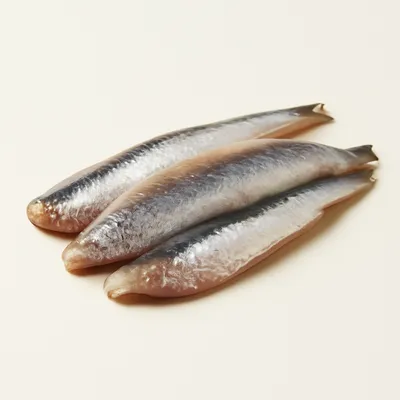

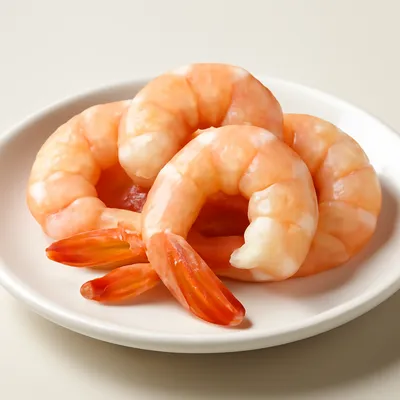


The ttukbaegi — a thick, unglazed clay pot that goes straight from flame to table — is a fixture of Korean cooking, and the seafood version is at home anywhere along the coast, but it suits Jeju especially well. The island's waters yield shellfish and crab year-round, and its haenyeo, the women free-divers who harvest abalone, conch and sea urchin, supply ingredients that turn an everyday pot into something distinctly Jeju. A doenjang base rather than a fiery red one is the common local treatment, letting the freshness of the catch lead. It is now a standard of Jeju seafood restaurants.
The first sip is warm and savory, the doenjang giving a mellow, fermented depth that the shellfish brighten with clean brine. Clams and mussels are tender, shrimp snap, and the broth grows richer as the seafood releases its juices — soothing rather than searing, with just a whisper of chili warmth.
The porous earthenware heats slowly and retains it, so the pot keeps boiling at the table and the flavors concentrate as you eat. A doenjang-anchored broth supplies glutamates that amplify the seafood's own savor, while the shells and crustaceans give up brine and sweetness directly into the liquid. Shellfish go in late and cook only until they open, keeping them plump; firmer items like crab or abalone start earlier so the broth draws out their depth.
Variations
The mix shifts with the season and the market — a luxe pot adds abalone and blue crab, a humbler one leans on clams and shrimp. Some cooks build a clearer salt-and-garlic broth, others deepen it with a spoon of gochujang or gochugaru. Soft tofu, zucchini, enoki or chrysanthemum greens often round it out, and a beaten egg may be swirled in at the end.
On the Palate
Where Haemul Ttukbaegi sits in the Korean flavor cloud
Ingredients
Serves 2
How it's made
6 steps · 20 min
- 115 min
Scrub clams and mussels and soak in salted water to purge sand; rinse shrimp and crab.
- 25 min
Whisk doenjang into a pot of water or anchovy stock and bring to a boil in the ttukbaegi.
- 35 min
Add the firmer seafood such as crab and any abalone first and simmer a few minutes.
Watch outStart the firm seafood first so the broth pulls out its depth, but drop the shellfish in late — pull them the moment the shells gape or they turn rubbery.
- 44 min
Add clams, mussels and shrimp and cook just until the shells open.
- 55 min
Slip in sliced zucchini, soft tofu, garlic and chili, and simmer briefly to combine.
- 63 min
Finish with scallion and a touch of gochugaru, and bring the bubbling pot to the table.
Archive tool suggestions — not reviewed
These legacy suggestions have not been evidence-reviewed and are not presented as required tools.


