
Buseot-jeongol is an assorted-mushroom hot pot simmered over a burner at the table. A wide, shallow jeongol pan is arranged with a spread of mushrooms — shiitake, oyster, enoki, king oyster, beech and more — set among tofu, onion, leek and crown daisy, then filled with a light stock and brought to a simmer in front of the diners. It can run clear and gentle, seasoned only with soy and garlic, or be built on a spicy seasoning paste; either way the many mushrooms are the point, layering their different textures and a deep, clean savor. Communal and unhurried, it is eaten straight from the bubbling pan, often with thin slices of beef.

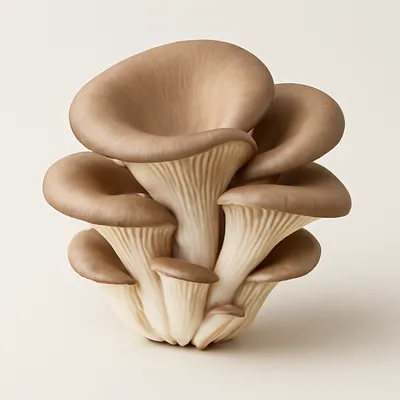
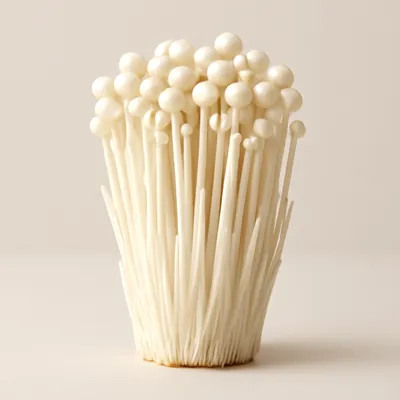



Jeongol is the shallow-pan tableside stew of the Korean table — historically the richer, more composed counterpart to the everyday jjigae, an arranged pot of ingredients cooked communally over a brazier, with roots in banquet and even court cooking. The mushroom version is not an old named dish so much as a natural application of that format to Korea's many cultivated and foraged mushrooms; it has no single inventor or founding date. It rose to prominence as mushroom farming made shiitake, oyster, enoki and king oyster cheap and year-round, and it suits modern tastes as a lighter, often meat-light or vegetable-forward jeongol. It is best framed as a contemporary restaurant and home staple within the long jeongol tradition.
A clear, savory broth carries the layered chew of many mushrooms — the slip of enoki, the meaty bite of king oyster, the velvet of shiitake, the frill of oyster mushroom — each holding its own texture. Tofu is soft, the crown daisy adds a fresh, slightly bitter herbal lift, and the stock turns deeper and earthier the longer it simmers as the mushrooms give up their flavor. In the spicy version a sweet-hot warmth threads through; in the clear one it stays clean, light and deeply umami.
Mushrooms are the dish's whole flavor engine in the sense that they are loaded with glutamates and, especially dried shiitake, with guanylate; together these amplify savor far beyond their sum, so a pot of mixed mushrooms builds a deep stock with little or no meat. The wide, shallow jeongol pan and the tabletop burner are functional: the broad surface lets many ingredients sit in a single layer and cook evenly, and live heat keeps the pot at a simmer so it concentrates as the meal goes on and diners cook items to their liking. Mushrooms with different densities are added in sequence — firm king oyster early, delicate enoki last — so each finishes just tender. A clear stock lets the mushroom savor read cleanly; a spicy paste base trades some of that clarity for heat.
Variations
The basic split is clear versus spicy: a gentle soy-and-garlic broth that foregrounds the mushrooms, or a gochugaru-and-gochujang seasoning paste for a fiery pot. Thin slices of beef are a common addition, turning it toward a beef-and-mushroom jeongol, while a purely vegetable build makes a vegan version. The mushroom mix is open — whatever is good and in season — and glass noodles are often added near the end to soak up the broth, with a rice or noodle porridge cooked in the leftover stock to finish.
On the Palate
Where Buseot Jeongol sits in the Korean flavor cloud
Ingredients
Serves 4


How it's made
7 steps · 30 min
- 110 min
Clean and trim the mushrooms: slice shiitake and king oyster, tear oyster mushrooms, and separate enoki into clumps.
- 212 min
Make a light stock from anchovy and kelp, or beef, and season it lightly with soy sauce, garlic and salt.
- 36 min
Arrange the mushrooms, tofu, sliced onion, leek and any beef in sections around a wide shallow jeongol pan.
- 43 min
Tuck crown daisy and chili in among them and pour in enough stock to come partway up.
- 52 min
Set the pan on a tabletop burner and bring to a simmer.
Watch outBring the pot just to a simmer, not a rolling boil — a gentle bubble draws out the mushrooms' savor without churning them to mush.
- 65 min
Add the firmer mushrooms first and the delicate enoki and crown daisy last as it cooks.
Watch outAdd the firm mushrooms first and drop the enoki and crown daisy in last — the delicate ones need only a moment or they collapse.
- 78 min
Simmer and eat straight from the pan, topping up with stock; cook glass noodles or rice in the remaining broth at the end.
Archive tool suggestions — not reviewed
These legacy suggestions have not been evidence-reviewed and are not presented as required tools.


