
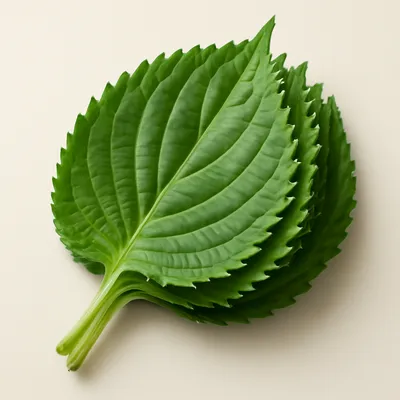
Insam-eojuk is the ginseng-enriched fish porridge of Geumsan, the mountain county in South Chungcheong (Chungnam) that is Korea's foremost ginseng market. It belongs to the eojuk family — a thick freshwater-fish rice porridge of the Geum River valley. Small river fish such as catfish, mandarin fish, Korean bullhead, carp, and crucian carp are simmered for hours and pressed through a sieve so that flesh and fine bones dissolve into a rich broth; the broth is seasoned with doenjang and gochujang, then rice (and often hand-torn sujebi or noodles) is cooked down into it. The Geumsan version adds the region's prized ginseng, which deepens the broth with a faintly bitter, aromatic note. It is finished with perilla leaves, garlic, chili, and greens, and served piping hot as a hearty one-bowl meal.



Geumsan, in the southeast corner of Chungnam, has been Korea's principal ginseng market for some four hundred years and today handles the great bulk of the nation's ginseng trade; it hosts the annual Geumsan World Ginseng Festival and styles itself the ginseng capital. The county sits on the upper reaches of the Geum River (Geumgang), and eojuk — a porridge built from the small freshwater fish of those waters — is the established riverside dish of the valley. Insam-eojuk is the local fusion of the two: the everyday Geum River fish porridge enriched with Geumsan's signature ginseng. The exact date the ginseng was first folded in is unrecorded, but the dish is now a recognized regional specialty, with a cluster of eojuk restaurants in Jewon-myeon — around Cheonnae-ri, Jeogok-ri, and Yonghwa-ri — known locally as the "Insam-eojuk village."
A thick, gray-brown porridge that holds the spoon, dense with softened rice and sometimes chewy ribbons of sujebi. The first taste is deep and mellow — the long-sieved river fish gives a full, faintly gelatinous savor with no sharp fishiness — and under it runs the cool, slightly bitter, herbal-sweet note of ginseng. Doenjang and gochujang lend a fermented-soy depth and a gentle warmth rather than a fierce burn, and a green lift of perilla and minari rides over the top. Served scalding hot, it is the kind of bowl that warms you from the inside out.
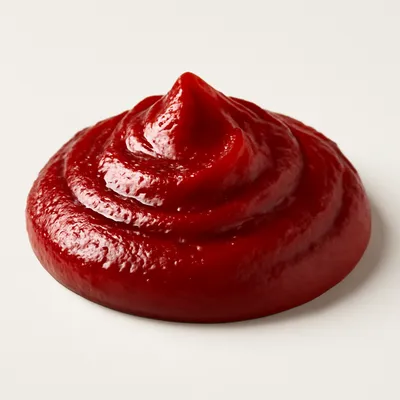
The body of the broth comes from cooking the small river fish low and long — often four to five hours in a cauldron — until the flesh falls apart, then pushing everything through a sieve. Pressing dissolves the soft flesh and breaks down the fine bones, releasing collagen that turns to gelatin and gives the liquid its rich, faintly sticky weight while the sieve holds back the coarse bones. Into that broth goes the rice, whose starch granules swell and gelatinize as they cook, thickening the whole pot into porridge. Ginseng is the local enrichment: its ginsenosides — triterpene saponins — are naturally bitter and carry the root's characteristic herbal aroma, and the soapy saponins lend a faint mouth-coating quality, so the broth tastes deeper and a touch medicinal. Doenjang and gochujang add fermented-soybean umami and a measured heat, and perilla seed powder rounds the body; together the fermented seasonings and the green herbs cover any muddy, off note the freshwater fish might otherwise leave.
Variations
The base form is plain eojuk without ginseng, eaten all along the Geum River and in other river towns; the Geumsan kitchen distinguishes itself by adding ginseng. The same pot can be built around hand-torn dough flakes (sujebi) or noodles instead of, or alongside, rice — the noodle-soup form is closer to eotang and eoguksu (fish-noodle soup). Home and restaurant cooks vary the greens, commonly adding perilla leaves or minari (water dropwort). Its near cousin is chueotang, the riverside mudfish soup built the same way — small freshwater fish boiled soft and sieved — but made specifically with loach rather than mixed river fish, and served as a soup rather than thickened with rice into a porridge.
On the Palate
Where Insam-eojuk sits in the Korean flavor cloud
Ingredients
Serves 4


How it's made
9 steps · 1 hour
- 115 min
Clean the freshwater fish well, gutting them and rinsing off the slime; soak briefly to draw out blood if needed.
- 2240 min
Put the fish in a deep pot with plenty of water and a few slices of fresh ginseng, and simmer low and long, 3-4 hours, until the flesh is completely soft and falling apart.
Watch outSimmer the small fish low and long, 3-4 hours, until the flesh completely falls apart — only then does enough collagen and body dissolve out to give the broth its rich weight.
- 315 min
Press the entire contents through a sieve or colander, working the soft flesh through and discarding the coarse bones, to leave a thick, rich broth.
Watch outPress everything through a sieve, working the soft flesh through and discarding the coarse bones — this is what gives the porridge its silky body with no bones.
- 45 min
Return the broth to the pot, dissolve in doenjang and gochujang, and add minced garlic; bring to a simmer.
- 535 min
Stir in the rinsed rice (and remaining sliced ginseng) and simmer, stirring now and then so it does not catch, until the grains burst and the porridge thickens, about 30-40 minutes.
Watch outStir the rice now and then so it doesn't catch, until the grains burst and thicken the pot — a stuck, scorched base ruins the whole porridge.
- 65 min
If using sujebi or noodles, tear the dough into thin flakes (or add the noodles) and simmer a few minutes more until cooked through.
- 72 min
Season to taste with gochugaru, salt, and perilla seed powder.
- 82 min
Add perilla leaves, minari or other greens, and scallion, and simmer 1-2 minutes until just wilted.
- 92 min
Ladle into bowls and serve scalding hot, with extra chili and perilla powder at the table.
Archive tool suggestions — not reviewed
These legacy suggestions have not been evidence-reviewed and are not presented as required tools.


