
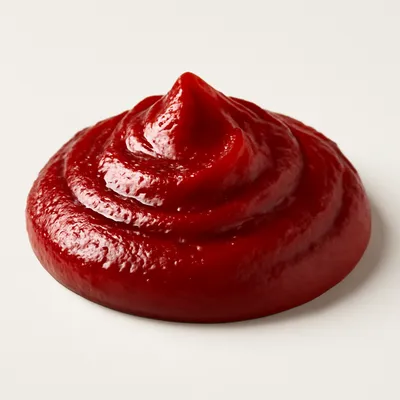
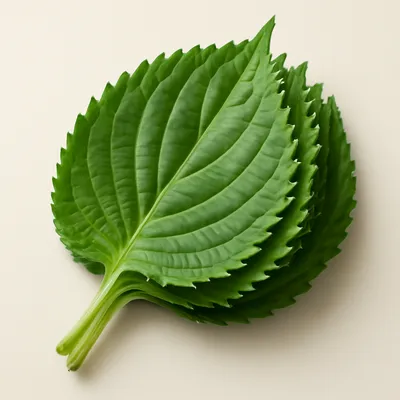
Ureong-ssambap is the rice-wrap meal of Dangjin in South Chungcheong, built around freshwater snails simmered into a thick, chunky soybean-paste sauce. The snails — ureong, gathered from the rice paddies and waterways of the Naepo plain — are cleaned and cooked into a robust ssamjang of doenjang, gochujang, and aromatics, so their firm, chewy meat studs the paste. You take a leaf of lettuce, perilla, or steamed cabbage, lay on a spoon of rice, top it with the snail-laced sauce, and fold the whole thing into a single bite. It is hearty farm cooking, generous and homely, counted among the signature tastes of Dangjin.




The Naepo lowlands around Dangjin — the old Hapdeok and Sapgyo wetlands — were rich in paddy snails, and farm families there long gathered them to dress and to thicken doenjang stews, a humble use of what the rice fields gave. The dish stepped beyond the home kitchen during the building of the Sapgyocheon seawall in the 1970s, when word of the local snail cooking spread through the laborers on the works and turned it into a destination food; today ureong-ssambap is reckoned one of Dangjin's celebrated specialties. It is a regional folk dish with no single creator, rooted in the snail-rich paddies of the Naepo country.
The wrap is all contrast in one mouthful: cool, crisp leaf against warm, soft rice, and over it the deep, salty-savory punch of the doenjang sauce. The snail meat is the texture — firm, springy, and chewy, with a clean mineral, almost earthy taste of the paddy, very different from clam or sea snail. The ssamjang itself is rich and rounded, fermented-funky and a little spicy, fragrant with garlic and sesame. Each bite is generous and satisfying, the freshness of the green leaf keeping the savory weight of the sauce in balance.
Doenjang is the engine of flavor here: long fermentation of soybeans breaks their protein into a deep reservoir of savory amino acids and glutamates, so the sauce tastes meaty and full even though it is mostly bean paste and snails. The snails are parboiled and picked from their shells, then simmered into the paste so they firm up and take on its seasoning while staying springy — overcooking would only toughen them, so the simmer is kept short once they go in. Building the ssamjang thick and chunky lets it sit on the rice without running, and the raw leaf wrap adds a cool, crisp, watery freshness that offsets the concentrated salt and funk of the fermented paste.
Variations
The wrapping greens vary with the season and the table — lettuce and perilla leaves are standard, but steamed cabbage, chard, and other vegetables all serve. Some kitchens load the sauce with extra vegetables and tofu for a stew-like ssamjang, while others keep it tight and snail-heavy. The same paddy snails turn up in ureong-doenjang stews, in cold seasoned salads, and in soups across the Chungcheong countryside. Plain ssambap without the snails — just rice, leaf, and ssamjang — is the broader dish this one builds on.
On the Palate
Where Ureong Ssambap sits in the Korean flavor cloud
Ingredients
Serves 3

How it's made
7 steps · 30 min active + 10 min waiting
- 110 min
Scrub and rinse the freshwater snails, then parboil them briefly and pick the meat from the shells.
- 25 min
Rinse the snail meat clean and chop any large pieces.
- 35 min
Sauté minced garlic and onion in a little oil, then stir in doenjang and a spoon of gochujang to make the sauce base.
- 48 min
Add a splash of water or stock and simmer the paste into a thick, chunky ssamjang.
Watch outSimmer the ssamjang until thick and chunky — a runny paste slides off the rice and won't sit on the wrap.
- 53 min
Stir the snail meat into the sauce and simmer just briefly so it stays firm and springy.
Watch outStir the snails in and simmer only briefly — a few minutes keeps them springy, longer just turns them tough.
- 62 min
Finish with chopped scallion, sesame oil, and toasted sesame seeds.
- 72 min
Serve the warm snail ssamjang with steamed rice and a platter of lettuce, perilla, and steamed cabbage for wrapping.
Archive tool suggestions — not reviewed
These legacy suggestions have not been evidence-reviewed and are not presented as required tools.


