
Cheonggukjang-jjigae is a short, pungent stew built on cheonggukjang, a fast-fermented whole-soybean paste far funkier than ordinary doenjang. The cooked beans are fermented only a couple of days until they turn sticky and ammoniac, then simmered with tofu, kimchi, scallion and chili into a thick, deeply savory pot. Where doenjang is mellow, this is sharp and farmyard-strong, an acquired smell that its lovers crave. Eaten bubbling with rice, it is winter comfort food and a celebrated health dish, prized for the digestive benefits of its quick fermentation.





Cheonggukjang is one of Korea's quick ferments — boiled soybeans wrapped warm in rice straw, whose wild Bacillus bacteria break them down in a day or two, no months-long meju block required. Several origin stories circulate and none is settled: that it came from a ready-to-eat paste of Qing-dynasty soldiers during the seventeenth-century invasions, which a folk reading ties to its name; that it is jeon-guk-jang, a battlefield paste made fast in wartime; and that it descends from far older quick ferments, with the broad type of dish noted in early records. What is clear is that it is an ancient kind of preparation whose precise birth is unrecorded, and that the jjigae — the paste simmered with tofu and vegetables — is its everyday form on the Korean table.
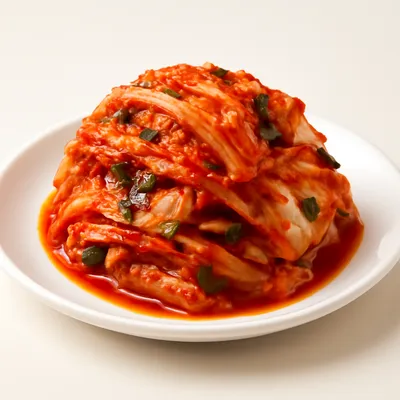
The smell hits first — sharp, fermented, almost cheesy — and then the taste lands warmer and rounder than the aroma threatens: deep, beany, savory, with the whole soybeans giving soft pops of texture. Tofu is silken, kimchi adds sour and heat, and the broth is thick and clinging. It is bold and a little funky, mellowing as it cooks, and it eats best spooned generously over hot rice where its richness has something to settle into.
The funk and the body both come from the fast Bacillus subtilis ferment. In one or two warm days the bacteria pour out enzymes that cleave the soy protein into amino acids — which is where the deep savor comes from — and into the volatile, ammoniac compounds that give cheonggukjang its powerful smell. The same microbe spins out the sticky strings you see when you lift a spoon, a poly-glutamic-acid mucilage, and builds vitamin K2 and other nutrients along the way, the basis of the dish's health reputation. Because the paste is already fully fermented, the stew needs only a short simmer; long cooking would dull its volatile aromatics, so it is added late and not boiled to death.
Variations
Recipes split mainly on the kimchi: some build a kimchi-and-pork base for a sour, heartier pot, others keep it cleaner with just tofu, scallion and chili to let the paste speak. Beef, clams or anchovy stock deepen the broth in different households, and the heat is dialed with gochugaru to taste. The paste itself is the heart of the dish and is also eaten beyond the stew — stirred into rice or used as a dip — and it shares its quick-ferment, sticky-bean character with Japanese natto, though cheonggukjang is cooked into a seasoned soup rather than eaten raw.
On the Palate
Where Cheonggukjang Jjigae sits in the Korean flavor cloud
Ingredients
Serves 3
How it's made
7 steps · 30 min
- 13 min
Bring water or anchovy stock to a simmer in a small earthenware pot.
- 26 min
Add chopped well-fermented kimchi and a little kimchi brine and simmer to soften.
- 33 min
Stir in the cheonggukjang paste and whole fermented soybeans until dissolved.
Watch outStir in the paste and just dissolve it — the cheonggukjang is already fully fermented, so it needs warming through, not long cooking.
- 46 min
Add cubed tofu, sliced onion and any pork or beef and simmer gently.
- 52 min
Season with gochugaru and minced garlic, adjusting the heat and salt to taste.
- 64 min
Simmer just until the broth thickens and everything is hot through, without boiling hard.
Watch outKeep it at a gentle simmer, never a hard boil — boiling hard drives off the aroma and toughens the tofu.
- 71 min
Finish with scallion and green chili and bring the bubbling pot to the table with rice.
Archive tool suggestions — not reviewed
These legacy suggestions have not been evidence-reviewed and are not presented as required tools.


