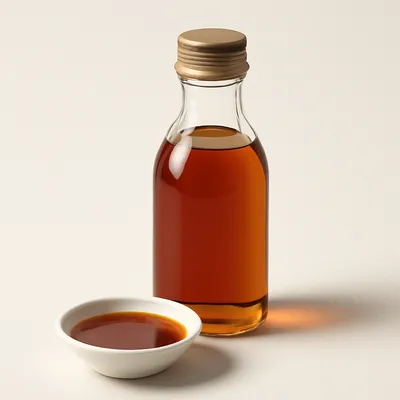
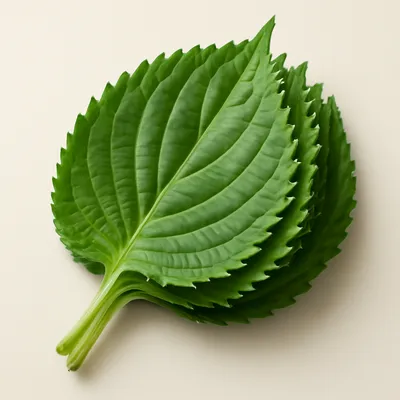
Hangjeongsal is the pork jowl-and-neck muscle grilled at the table, one of the most prized cuts on a Korean BBQ menu. Each pig yields only a few hundred grams of it, so it sits at the premium end of the price list alongside the pork belly it is often ordered to complement. The meat is laced with fine threads of fat that run through a firm, springy grain, and on the grill it crisps at the edges while staying juicy and resilient at the center. It is eaten unmarinated, dipped in salt-and-sesame-oil and wrapped in lettuce with garlic, ssamjang and raw chili.




Hangjeongsal belongs to the modern history of Korean pork barbecue, which spread as a mainstream restaurant style through the second half of the twentieth century as pork became plentiful and affordable. As diners grew more particular about cuts, butchers and grill houses began isolating and naming the special muscles of the pig — the jowl, the collar, the skirt — and selling them as gui in their own right rather than as trimmings. The jowl, firm and well-marbled, became a connoisseur's favorite precisely because so little of it exists per animal. Today it is a fixture of specialist samgyeopsal houses, usually priced above the belly.
The first impression is a clean snap and a bouncy chew that sets it apart from the soft give of belly. Fine seams of fat melt into the lean as you bite, leaving a rounded, nutty pork richness without any heaviness. The salted edges turn crisp and faintly sweet from the grill, and a dip of sesame-oil salt amplifies that toasted savor.
The jowl is a hard-working facial muscle, so its grain is dense and elastic, and its fat is deposited in fine intramuscular threads rather than a single slab — which is why it stays springy yet juicy rather than fatty. Grilling over high heat browns the surface through the Maillard reaction while the marbling renders just enough to baste the lean from within. Because it is leaner than belly, it is sliced a little thicker and cooked a touch faster, pulled off the grill the moment the center loses its rawness so the dense fibers do not tighten and dry.
Variations
It is most often grilled plain and dipped in sesame-oil salt, but some houses offer a lightly seasoned or wine-rubbed version. It is a natural partner to samgyeopsal on a mixed-cut platter, and is sometimes finished over charcoal for added smoke. Leftover grilled pieces are stir-fried with kimchi or tucked into fried rice, and the cut also appears as a topping for noodle and rice dishes in casual eateries.
On the Palate
Where Hangjeongsal sits in the Korean flavor cloud
Ingredients
Serves 3How it's made
6 steps · 15 min
- 15 min
Slice the pork jowl into pieces a little thicker than a coin, against the grain.
- 23 min
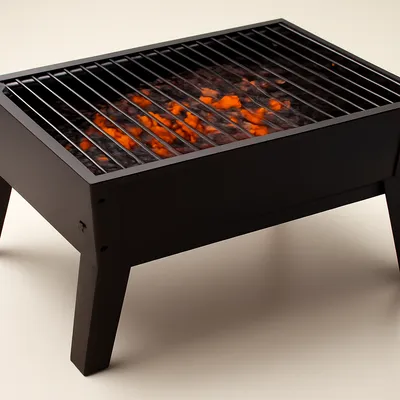
Heat a grill plate or charcoal grill until very hot.
- 33 min
Lay the pieces down and let them sear undisturbed until the underside is browned.
Watch outLay the jowl down and leave it alone until the underside is well browned — moving it too soon means no Maillard crust and a pale, dry piece.
- 42 min
Flip once, pressing lightly so the surface crisps, and cook until just done.
Watch outPull it the moment the center just loses its raw pink — the jowl is lean and its dense fibers tighten and dry if you push it further.
- 51 min
Snip into bite-size pieces with shears on the grill.
- 61 min
Serve with sesame-oil salt, lettuce, garlic, ssamjang and raw chili for wrapping.
Archive tool suggestions — not reviewed
These legacy suggestions have not been evidence-reviewed and are not presented as required tools.