Thin-sliced Songnen plain beef grilled over hardwood charcoal on a perforated cast-iron plate, then dipped in a dry blend of soybean powder, peanut meal, sesame, and wild perilla — a city-defining grill tradition recognised as a Heilongjiang intangible cultural heritage.

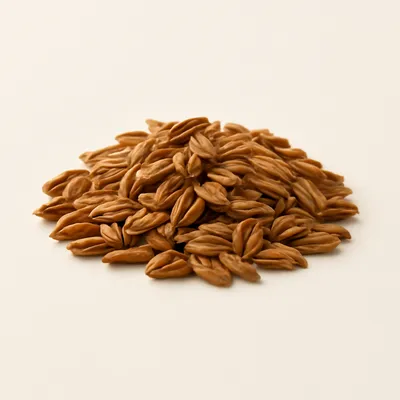


The Songnen Plain at 47° north latitude has sustained cattle and hunter-gatherer communities for millennia; the ancestors of Qiqihar's Daur, Mongolian, Evenki, and Manchu peoples roasted meat directly over open fires long before the city existed. The modern commercial form of Qiqihar roasted beef emerged in the 1980s, when vendors who had long cooked on scrap-iron fragments began renting permanent stalls. Around 1986, borrowing the perforated iron grill plate used in Korean barbecue, local operators replaced skewers with wide flat plates that allowed thicker cuts to cook evenly. Beef sourced from the Holstein-cross dairy-beef cattle of the Songnen black-soil belt — famous for milk-fat marbling — became the default protein. The definitive dipping condiment evolved in parallel: a dry powder of locally grown soy flour, roasted peanut meal, sesame, coriander seed, wild perilla seed, cumin, and a crumble of shortbread biscuit (桃酥) for richness. In 2022 the city received the designation of International Barbecue Cuisine Capital; in 2023 Qiqihar roasted beef was listed as a municipal-level intangible cultural heritage item.
Char-kissed, tender with a ghost of milky sweetness from the grass-fed beef, each strip gains a nutty, faintly spiced crunch from the dry dipping powder — aromatic rather than sharp, warming rather than fiery.
Qiqihar's distinctive flavour rests on two converging processes. First, grilling over hardwood charcoal at 300–400°C drives intense Maillard browning and pyrolysis on the beef surface, producing hundreds of aroma-active carbonyl and furanone compounds — a flavour profile impossible to replicate on a gas flame. Second, the soybean dipping powder functions as a dry emulsifier: soy protein isolates coat the hot meat surface and bind fat rendered from the beef, while roasted peanut and sesame oils contribute volatile pyrazines (toasty, nutty) and perilla seed contributes perillaldehyde (a distinctive herbal-minty note). The powder's crunch physically contrasts with the meat's tenderness, extending each bite's sensory duration.
Variations
Pork belly (五花肉) and lamb ribs are common alongside beef at Qiqihar grills; some shops offer gong hou (宫后, the flank-belly cut) that must be par-boiled before grilling for a softer result; a wet dipping variant uses a composite sauce of sweet chili, sesame paste, and fresh herb paste favoured by Korean-Chinese diners.
On the Palate
Where Qiqihar Charcoal-Grilled Beef sits in the Chinese flavor cloud
Ingredients
Serves 4
How it's made
7 steps · 30 min
- 110 min
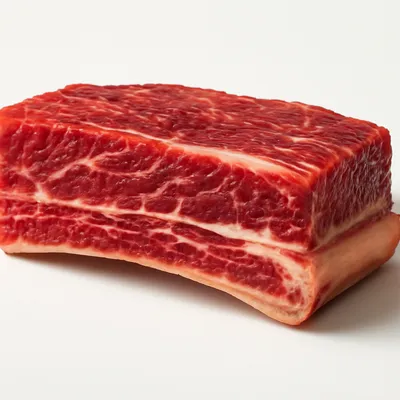
Slice the beef (short rib, flank, or ribeye) across the grain into 3mm strips; if using tougher flank cuts, lightly pound first with a meat mallet.
Watch outCut across the grain — you should see the short muscle fibers end-on; slice with the grain and the thin strips turn chewy and tough on the grill.
- 220 min
Marinate briefly: toss sliced beef with a splash of soy sauce, a pinch of sugar, and a drop of sesame oil; let rest 15–20 minutes at room temperature.
- 35 min
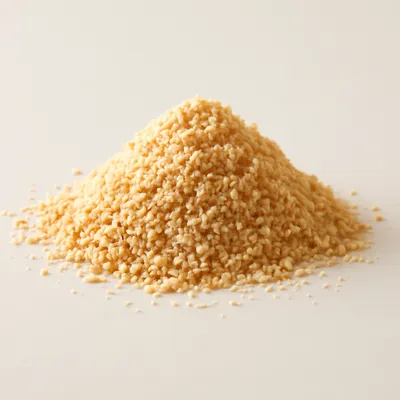
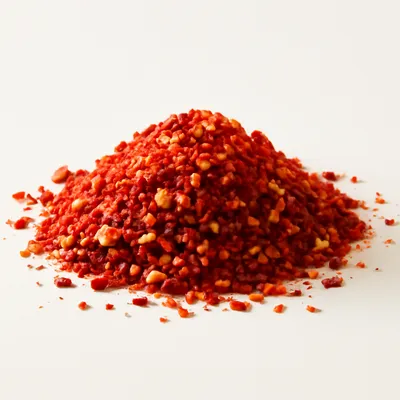
Prepare the dry dipping bowl: combine soybean powder (or lightly toasted soy flour), roasted peanut meal, toasted sesame seeds, ground coriander seed, ground perilla seed, cumin powder, and a pinch of chili flakes; mix well and portion into individual dipping bowls.
- 410 min
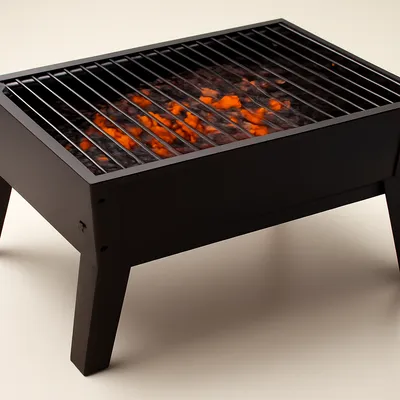
Light hardwood charcoal in a tabletop grill; when the coals glow red with a white ash coating and produce minimal visible smoke, the heat is ready.
Watch outWait until the coals glow red under a coat of white ash and the smoke has died down — raw smoke coats the beef in acrid soot, not aroma.
- 53 min
Place a perforated cast-iron grill plate over the coals; let it heat for 3 minutes until wisps of smoke rise from the holes.
- 63 min
Lay beef strips on the grill plate in a single layer; grill without pressing for 1–2 minutes until the underside is charred with dark grill marks; flip once and grill a further 1 minute.
Watch outLeave the strips alone until the underside shows dark char marks, then flip just once — poking and flipping bleeds the juices and steams the meat grey.
- 71 min
Transfer grilled beef to a plate; dip each strip in the dry powder before eating — ensure the powder coats the hot surface so it lightly adheres.
Archive tool suggestions — not reviewed
These legacy suggestions have not been evidence-reviewed and are not presented as required tools.