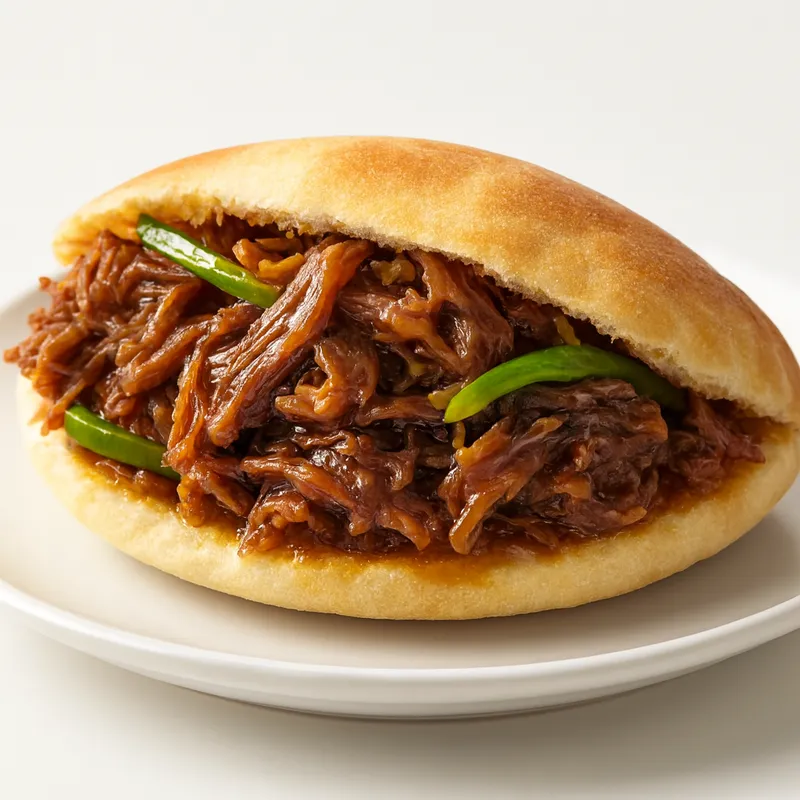
A small split flatbread stuffed with cold-braised donkey meat, green pepper, and the meat's own jelly — a roadside-stall snack from the Henan-Hebei border.



A Hebei specialty — Baoding (Xushui/Caohe) and Hejian are the two famous, rival schools. Donkeys were the working animal of the North China Plain through the 19th and 20th centuries; aging or injured donkeys were braised down and the meat sold by street vendors who tucked it into wheat-belt huoshao bread. The pairing stuck.
Henan-Hebei border food — Baoding and Hejian are the best-known producers. The cold-meat-plus-jelly-cube trick is load-bearing: gelatin from the donkey skin sets the stock into a portionable solid that re-melts into hot huoshao.
You hold the pita in two hands; the bread crackles, lard-flaky on the outside, soft inside. First bite reaches cold meat and the jelly cube — and the jelly melts on contact with the hot bread, releasing braising stock back into the filling. Donkey eats leaner, denser, and slightly sweeter than beef. Local saying: tiān shàng lóng ròu, dì shàng lǘ ròu — dragon meat in the sky, donkey meat on the ground.
The cold meat plus warm bread plus jelly cube is the load-bearing structure: the meat jelly (menzi) is made by mixing the leftover donkey braising stock with minced donkey meat and sweet-potato starch, which sets it into a sliceable solid, then re-melts on contact with the just-baked huoshao. Skip the skin and the jelly won't set; skip the jelly and the filling eats dry. The lard lamination — fold, flatten, fold — is what makes the huoshao puff into hollow halves you can stuff.
Variations
Baoding's huoshao is rectangular and bigger; Hejian runs round and smaller with a crisper top; northern Henan towns make a thicker pita but use the same braised-donkey filling; modern Beijing chains use beef when donkey supply runs short.
On the Palate
Where Donkey Meat Pita sits in the Chinese flavor cloud
The dish stands on a proper meat jelly: reduce the braising stock with enough skin-gelatin so it sets into sliceable cubes, because that jelly re-melts against the just-baked huoshao and keeps the cold filling from eating dry.
Ingredients
Serves 6




How it's made
5 steps · 1 hour
- 115 min
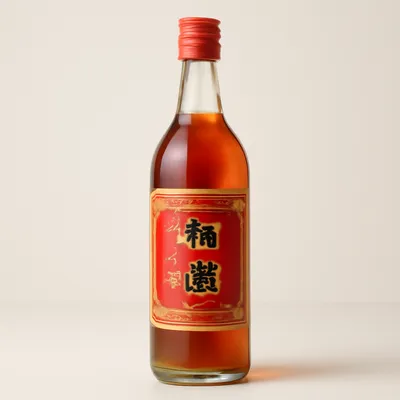
Cover 800g donkey shoulder and 200g donkey skin (for the jelly) in cold water with 2 tablespoons Shaoxing wine. Bring to a boil, skim impurities for 5 minutes, drain, and rinse.
Watch outEnsure the water is at a rolling boil to effectively skim impurities.
- 2180 min
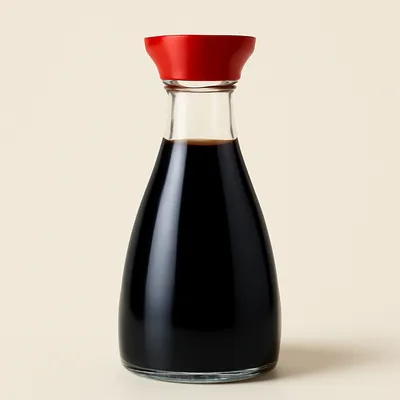
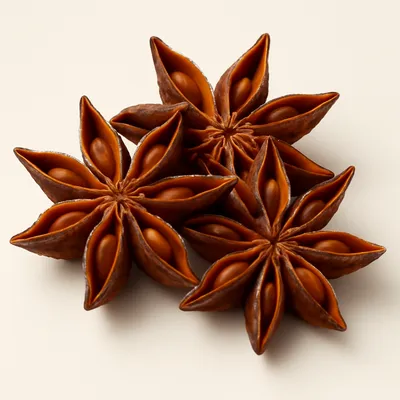
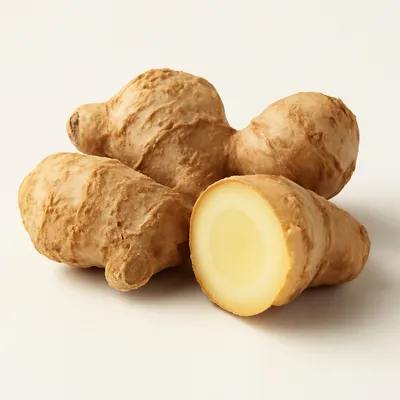
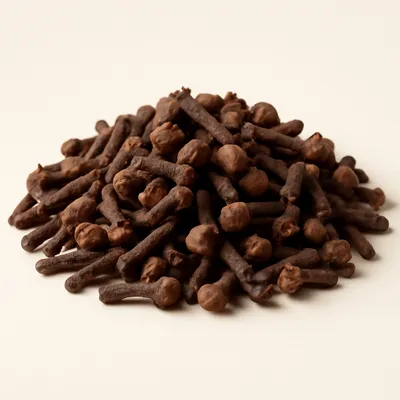
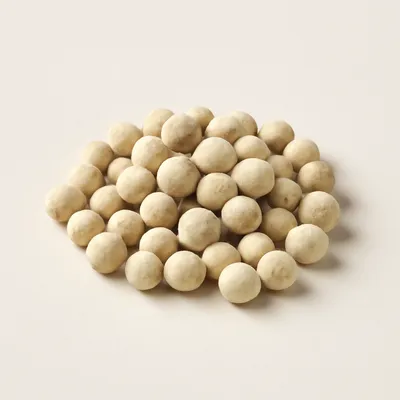
In a deep pot, simmer the meat and skin in 2.5 liters water with 80ml light soy, 25g rock sugar, 15g salt, and a spice bag (star anise, fennel, cassia, sand ginger, bay, cloves, white pepper). Cook at a bare simmer 3 hours until a chopstick passes through cleanly.
Watch outKeep it at a whisper of a simmer for the full three hours; a chopstick should slide through with no resistance.
- 3360 min
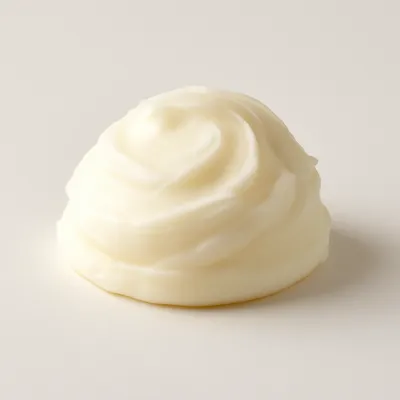
Lift meat out and chill 6 hours. Reduce 500ml of the cooking liquid to 200ml, strain, pour into a shallow tray, and refrigerate until set into a firm jelly.
Watch outReduce the stock until it's syrupy and coats the spoon, then chill — that's when it sets into a firm, sliceable jelly.
- 450 min
Make huoshao dough: 500g all-purpose flour, 280ml warm water, 5g salt. Knead 10 minutes, rest 30 minutes. Divide into 12 pieces; flatten each, brush with lard, fold to laminate, then re-flatten into 10cm rounds.
Watch outEnsure the dough is well-kneaded to develop gluten for better texture.
- 512 min
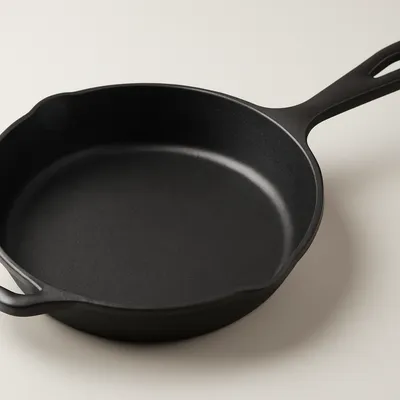
Sear rounds in a dry skillet on both sides 90 seconds each, then transfer to a 220°C oven (or upturned pan above a flame) for 4-5 minutes until they puff and crack. Slit one edge, stuff each with 60g chopped donkey, 1 tablespoon chopped green chili, and a cube of jelly. Eat immediately while bread is still hot.
Watch outThe huoshao is ready when it puffs and cracks open; slit and stuff it while the bread is still piping hot so the jelly melts in.
Archive tool suggestions — not reviewed
These legacy suggestions have not been evidence-reviewed and are not presented as required tools.