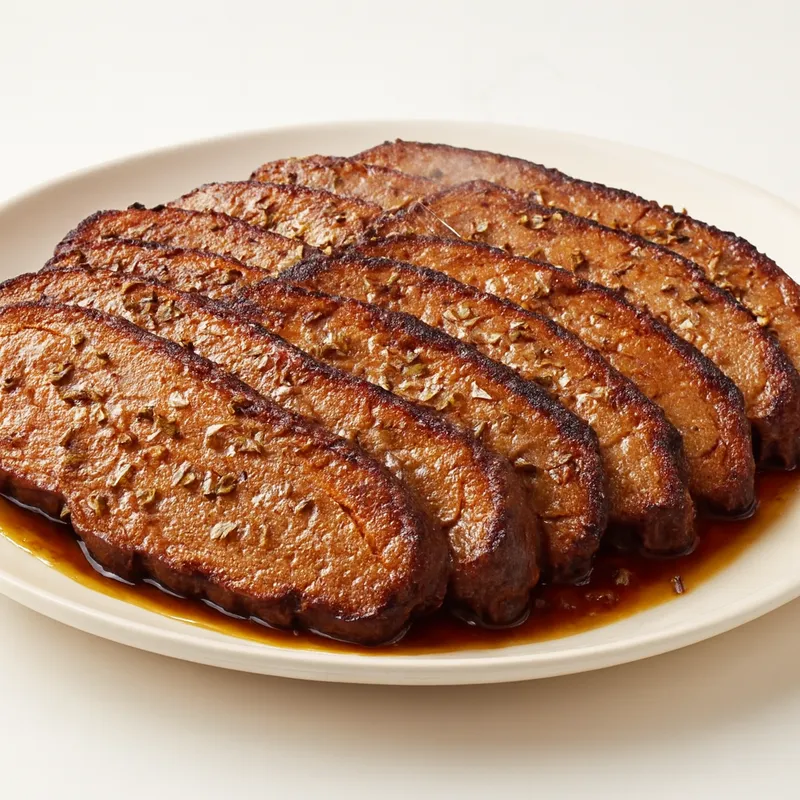
Crispy-skinned chicken infused with aromatic spices, steamed then fried.
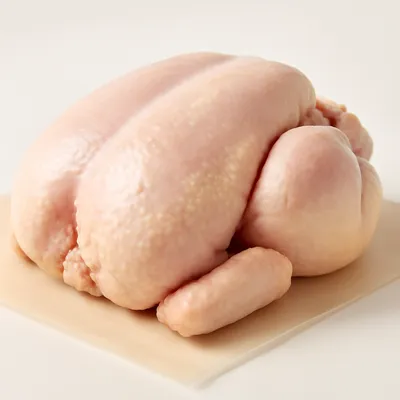


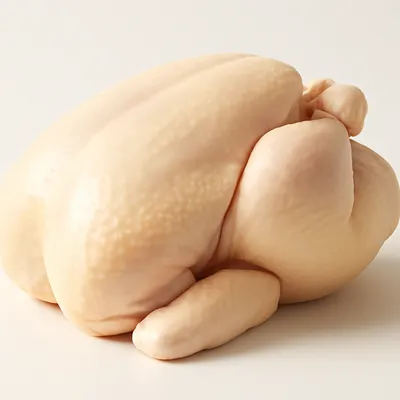
Hulu ji, a Xi'an specialty traced to the Tang Tianbao era, attributed by 《酉阳杂俎》 to the household chef of Wei Zhi (韦陟), Minister of Rites; the boil-steam-fry method and the rope-tying that holds the bird whole come from that origin legend. The name comes either from 「囫囵鸡」 (a whole, intact chicken) read as a homophone, or from the gourd-like shape the rope-tied whole bird takes after cooking — the chicken is kept whole and tied, not boned or splayed.
Tang-dynasty Chang'an palace dish, three-stage cook — brine, steam 45-60 min, flash-fry at 200°C under two minutes. The 「壶卢」 name comes from the gourd silhouette of the boned, splayed bird. Skin shatters; meat shreds.
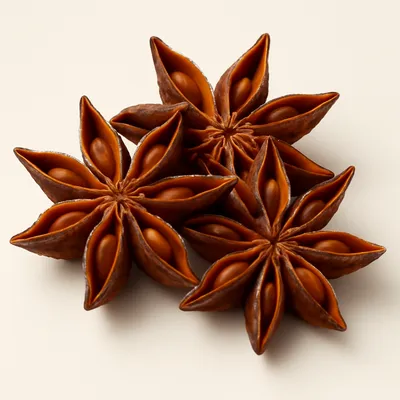
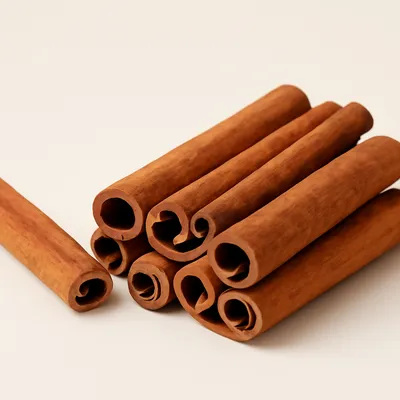
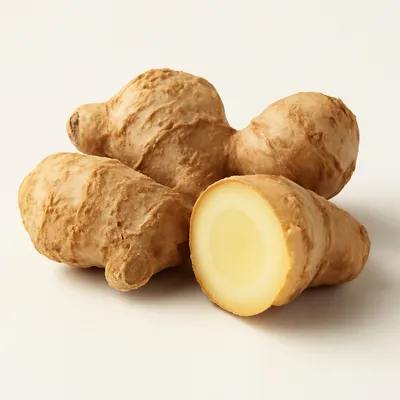
A whole chicken, boned out flat, the skin lacquered amber and crackling like glass when you press it. Underneath, the meat is steam-soft, pulling apart in long shreds. The aromatics — star anise, cinnamon, fennel, sand ginger — read in the flesh, not the skin. Eat with a salt-pepper dip; the skin should shatter on contact, not bend.
Three stages, each load-bearing: the chicken is first clear-boiled in water (~30 min) to firm it up, then steamed for as long as ~2 hours with soy sauce, rice wine, scallion, ginger, star anise and cassia, which drives the seasoning deep and renders the connective tissue tender, before a final high-heat fry in rapeseed oil to crisp and color the skin. Skipping the steam gives a fried chicken that's tough; skipping the fry gives a steamed chicken that's pale. The dish exists in the gap between the two.
Variations
Xi'an 西安饭庄's 葫芦鸡 is the canonical reference (one of its ten signature dishes, awarded the 金鼎奖 in 1998); provincial home version skips the boning step and just steam-fries the whole bird (cheating, but eats well).
On the Palate
Where Hulu Chicken sits in the Chinese flavor cloud
Ingredients


How it's made
4 steps · 5 hours
- 1225 min
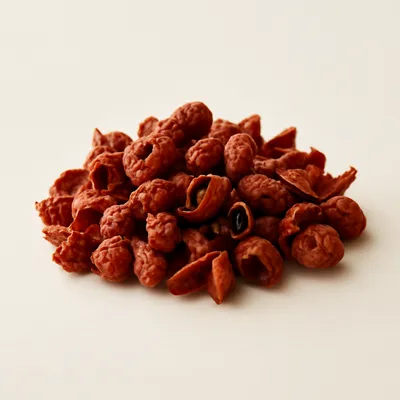
Marinate chicken with ginger, scallion, star anise, and Sichuan pepper.
- 238 min
Steam the chicken until fully cooked.
Watch outSteam long and low until the meat pulls loose from the bone and a chopstick slides in with no resistance — this is what makes it tender before the fry.
- 330 min
Allow the chicken to cool, then fry until the skin is crispy.
Watch outLet the skin dry and cool fully before frying, then drop into hot oil — a wet, warm surface won't crisp and will spit.
- 48 min
Serve hot with a sprinkle of salt.