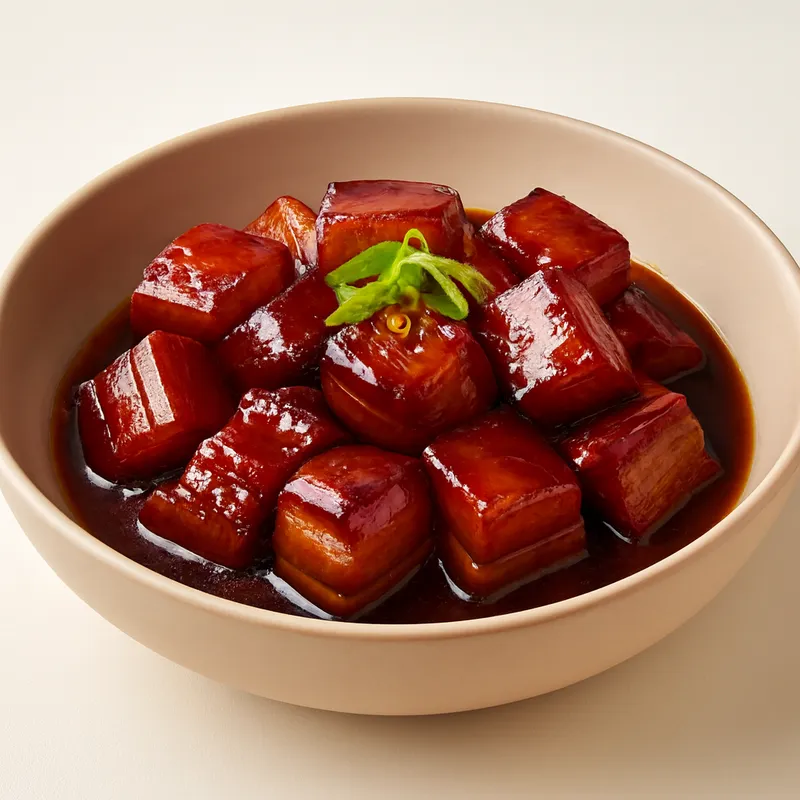
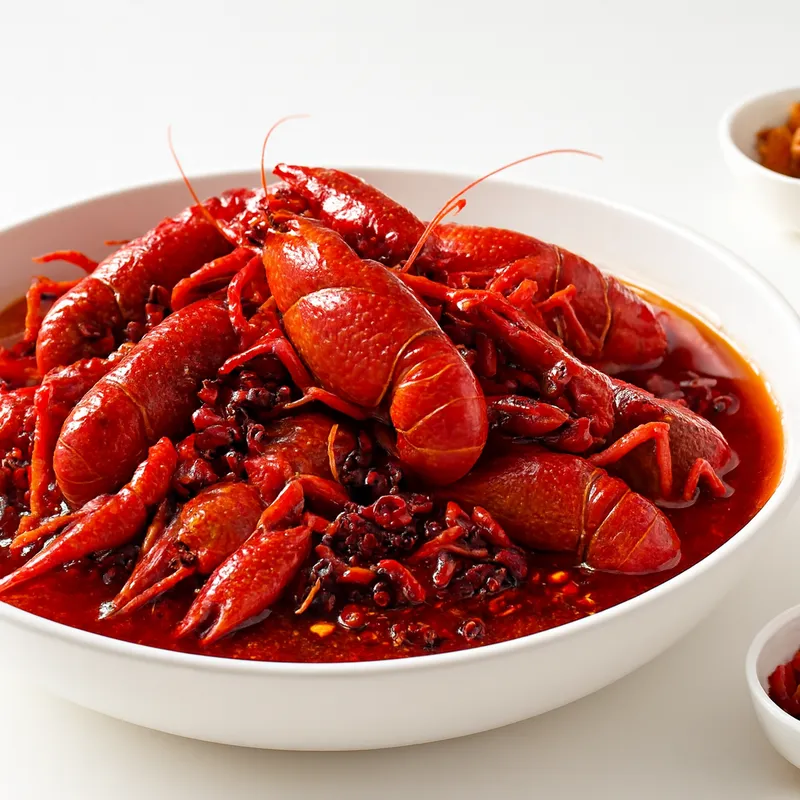
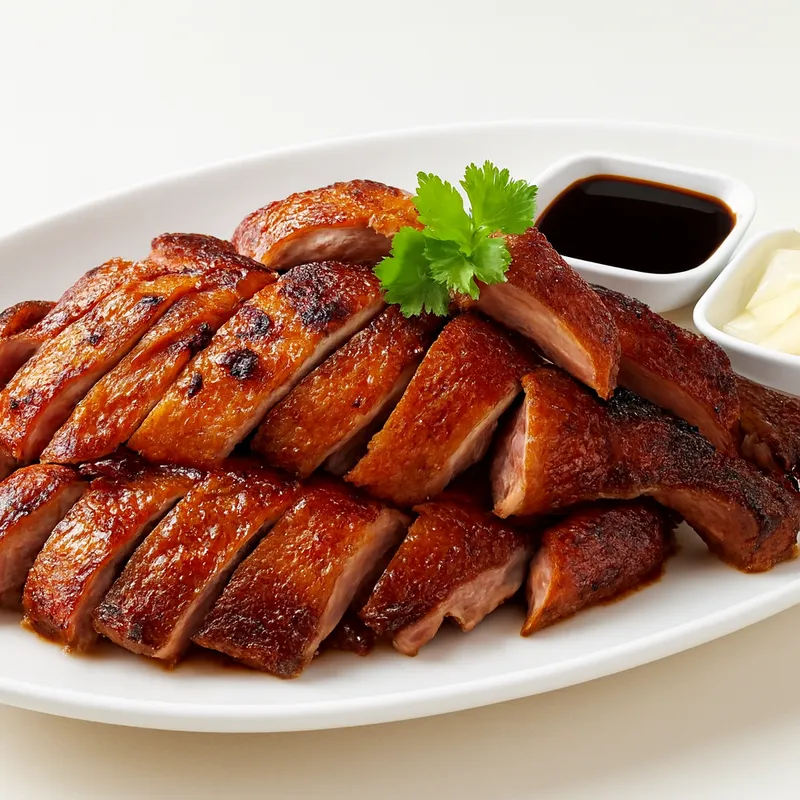
Three rice-flour-coated steamed dishes from Xiantao on one platter — fish, pork, and a vegetable, each carrying the same fragrant powder.
From Xiantao, Hubei — formerly Mianyang County — a flat lake-and-paddy region in the Jianghan plain where fish, pork, and tubers were all that the local geography reliably produced. Three Steams is the standard Hubei wedding-banquet centerpiece; the local food custom is captured in the saying 「无菜不蒸」 (no dish that isn't steamed), and Xiantao is known as the 'home of steamed cuisine' (蒸菜之乡), and rice-flour coating was a way to stretch flavor across modest meat portions when feeding a village.
From Xiantao (formerly Mianyang County), a flat Jianghan-plain region. The standard Hubei wedding-banquet centerpiece — fish/pork/lotus root, all rice-flour-coated. Toasting raw rice before grinding deactivates surface starch enzymes; skip it and the powder dissolves into glue.
Three textures, one fragrance. The fish flakes apart in moist coins; the pork belly is soft enough to spoon; the lotus root keeps a faint snap. Each is held inside a thick, glossy rice-grain coat that has cooked from chalky powder into something almost like risotto. You taste the toasted rice and warming spice first, the meat or fish second. If the rice powder is dry or gritty, the steam time was short.
Two things hold the dish together. First, the rice has to be raw-toasted before grinding — toasting deactivates surface starch enzymes and lets the powder absorb liquid as a mass instead of dissolving into glue. Second, vegetables sit at the bottom of the steamer on purpose: their water releases upward, where the meat layers' rendered fat and the rice-powder coat together pull it back in. Skip toasting and the coating turns to paste; skip the layering order and the meat dries out while the rice stays raw.
Variations
Xiantao downtown banquets keep rice powder coarsest; Tianmen-county home tables run the spice mix sweeter; Wuhan urban restaurants add five-spice to the rice-flour blend.
On the Palate
Where Mianyang Three Steams sits in the Chinese flavor cloud
Ingredients
Serves 4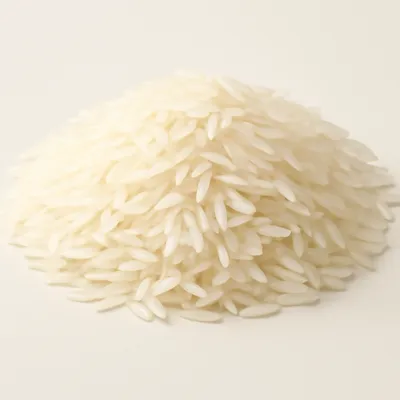












How it's made
6 steps · 30 min
- 110 min
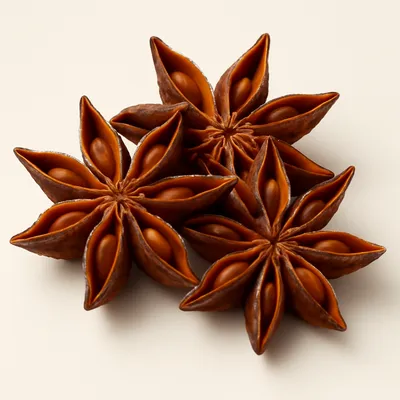
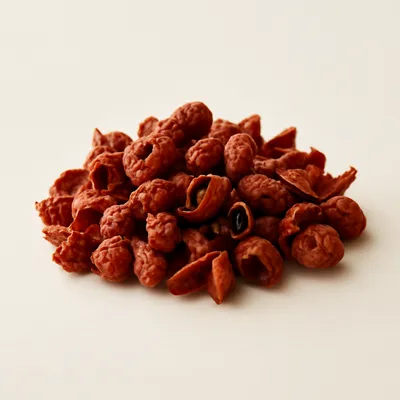
Toast 200g raw rice with star anise, cinnamon stick, Sichuan peppercorn, and bay leaf in a dry wok over low heat for 8 minutes until the rice turns sandy gold and smells nutty. Cool, then grind to a coarse, semolina-like powder.
Watch outToast the rice only until it's sandy gold and smells nutty — this kills the surface starch so the powder coats instead of turning to glue; stop before it browns or it goes bitter.
- 25 min
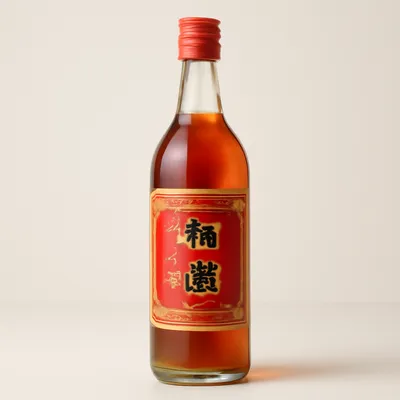
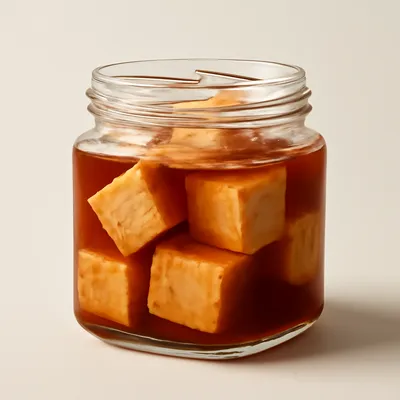
Cut grass carp fillet into 4cm pieces. Marinate with light soy, Shaoxing wine, ginger juice, white pepper, and a splash of fermented bean curd liquid for 20 minutes.
- 35 min
Slice pork belly into 5mm pieces. Marinate with sweet bean sauce, soy, scallion, ginger, and a pinch of sugar for 20 minutes.
- 45 min
Cube 300g lotus root or kabocha pumpkin into 3cm pieces. Toss with a little salt and lard.
- 55 min
Toss each component separately in the spiced rice powder until thickly coated. Arrange in three groups in a bamboo steamer lined with lotus leaf, vegetables on the bottom (they release liquid that the rice powder above will catch).
Watch outVegetables go on the bottom on purpose — the water they release rises so the rice powder above catches it; get the order wrong and the meat dries while the rice stays raw.
- 660 min
Steam over high heat for 60 minutes. The rice coat goes from raw and chalky to soft, glossy, and saturated with the juices it caught from above. Serve straight from the steamer.
Watch outSteam the full hour — done rice powder turns from chalky white to soft, glossy, and saturated; if it still looks dry and powdery it needs more time.
Archive tool suggestions — not reviewed
These legacy suggestions have not been evidence-reviewed and are not presented as required tools.