
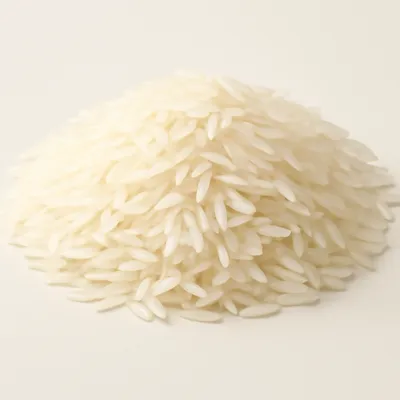


Makgeolli is the oldest documented Korean alcohol, descending from rice-and-nuruk brewing recorded in Goryeo and Joseon texts. For most of the 20th century it was the cheap farmer's drink — drunk from gourd ladles in the field at lunch — and was banned from being made with rice during the 1965-1977 grain shortage, forcing brewers to use wheat or barley instead. The 2010s saw a craft revival in Seoul among brewers like Hansan and Boksoondoga, who reintroduced single-rice and nuruk-driven styles for a younger audience. It's distinct from cheongju, the clear filtered top layer, which is treated as a finer ceremonial wine.
The oldest documented Korean alcohol, recorded in Goryeo and Joseon texts. Banned from being made with rice during 1965-1977 grain shortages — brewers had to use wheat or barley. Nuruk does saccharification and fermentation in one vessel, unlike sake's separate koji-and-yeast method; above 28°C the lactic bacteria win and you get vinegar.
Cloudy ivory-white, slightly fizzy, served so cold the metal bowl frosts. First sip is yogurt-tang plus rice-sweet, with a soft carbonation that prickles but doesn't bite. The body is thicker than beer, lighter than sake — settled rice solids give it a grain-milk mouthfeel. ABV reads low but it sneaks up; older Koreans warn you'll feel it in the legs. A bad makgeolli tastes harshly sour or yeasty-bready — that's overfermentation; a good one is balanced sweet-tart with a clean grain finish.
Nuruk is a wild-culture starter — a brick of wheat bran inoculated with Aspergillus oryzae, Aspergillus kawachii, Saccharomyces yeasts, and lactic bacteria all at once. Unlike Japanese sake's two-stage method (separate koji and yeast), nuruk does saccharification and alcoholic fermentation simultaneously in one vessel — the Aspergillus chops rice starch into sugar, the yeasts eat the sugar into alcohol, and the lactic bacteria add the signature tang. Temperature is everything: above 28°C the lactic bacteria dominate and the brew turns vinegary; below 20°C the yeasts stall. The cloudiness is unfiltered rice solids and live yeast — that's why it must stay cold and is drunk fresh.
Variations
Hansan and Boksoondoga lead the 2010s craft revival; Jangsu and Kooksoondang dominate supermarket shelves; Pohang's dongdongju is the cleared-sediment cousin; Jeju omegisul is millet-and-buckwheat-based; cheongju is the clear top-skim treated as ceremonial wine.
On the Palate
Where Makgeolli sits in the Korean flavor cloud
Ingredients
Serves 8How it's made
6 steps · 1 hour active + 6 days 23 hours waiting
- 1200 min
Wash 1kg short-grain rice until the water runs clear; soak 2 hours, drain 30 minutes. Steam (don't boil) over a cloth-lined steamer for 50 minutes — grains should be glossy, fully cooked, individual, not mushy. This is godubap.
Watch outSteam, don't boil, until the grains are glossy and separate — mushy rice muddies the ferment and won't feed the nuruk cleanly.
- 230 min
Cool the steamed rice on a clean cloth to 30°C — body-warm, not hot. Above 35°C the nuruk yeasts die; below 20°C they stall.
Watch outCool the rice to body-warm before you mix — hotter than that kills the yeast, cooler and it stalls; test it with a clean finger.
- 315 min
In a sanitized 5L glass or earthenware crock, mix the cooled rice with 200g coarse-ground nuruk and 1.8L cold filtered water (chlorinated tap water will kill the cultures). Hands work better than a spoon — break up rice clumps, coat every grain with nuruk.
- 410080 min
Cover with a breathable cloth and a loose lid. Hold at 23-26°C. Stir once a day with a sanitized spoon. By day 3 it bubbles vigorously (active fermentation); by day 5 the bubbling slows; by day 7 it's nearly silent — the rice has dissolved and a clear yellow layer (cheongju) sits on top of milky white sediment.
Watch outBy day three it should bubble hard and smell sweet-tangy; a sharp vinegar reek means it ran too warm and the lactic bacteria took over.
- 515 min
To make makgeolli (the cloudy version): stir to recombine the layers, then strain through a fine cloth — squeeze gently — into clean bottles. Add water and a little sugar to adjust to about 6% ABV and the sweetness you like. Refrigerate immediately and drink within 2 weeks; it stays alive and gets sourer with time.
Watch outAvoid over-squeezing the cloth to prevent bitterness from the rice solids.
- 61 min
Serve well-chilled. Shake the bottle (it settles), pour into the kettle (jujeonja), then into shallow metal bowls. Pair with pajeon (scallion pancake) on a rainy day — the tradition.


