
Napjak-mandu, literally flat dumplings, are a Daegu street snack of thin wrappers folded around a sparse filling of glass noodles and chives, then pressed flat and pan-fried crisp. Almost hollow by design, they are less about a meaty stuffing than about the crackle of the browned skin and the dressings on top. They arrive drizzled with soy sauce and chili, scattered with scallion and gochugaru, and are often eaten alongside tteokbokki. Light, crunchy, and cheap, they are a defining taste of Daegu's bunsik, the flour-snack culture of the city.




Napjak-mandu emerged in early 1960s Daegu, credited to Im Chang-gyu, founder of the shop Miseongdang, who is said to have flattened the dumpling and filled it only lightly with glass noodles, chives, and scallion to cut the greasiness of richer Chinese-style mandu. Miseongdang opened around 1963 near Namsan Elementary School. The snack spread through the flour-food promotion movement of the 1960s and 70s, when wheat was cheap and encouraged, and it suited a Daegu palate already fond of flour dishes. Sold from countless snack shops outside the schools of a city known for education, the cheap, distinctive dumpling became a citywide staple of Daegu bunsik.
Thin and crackly, the pan-fried skin shatters lightly while the inside stays soft and barely filled, so the real flavor comes from the toppings: salty soy, a hum of chili heat, fresh scallion, and the toasty edge of fried wrapper. Eaten hot, they are crisp, savory, and addictively simple, especially with a side of chewy tteokbokki.
The flat, near-empty shape is the whole point: with almost no filling, the wrapper sits flush against the hot pan and crisps evenly through the Maillard reaction, turning thin and brittle rather than doughy. A little glass noodle and chive add just enough texture and aroma inside without making the dumpling heavy. Because the dumpling itself is mild, the finishing soy sauce, gochugaru, and scallion carry the flavor, their salt, heat, and freshness landing directly on the crisp surface.
Variations
The basic napjak-mandu is pan-fried, but some shops steam them first and then crisp them, or deep-fry for extra crunch. Toppings vary from a simple soy-and-chili drizzle to a heap of scallion, gochugaru, and sesame, and they are very often served sitting in or beside tteokbokki sauce. A few modern versions add a little more filling, though the classic stays deliberately sparse.
On the Palate
Where Napjak-mandu sits in the Korean flavor cloud
Ingredients
Serves 3How it's made
6 steps · 40 min
- 112 min
Make a simple filling of soaked glass noodles and chopped chives and scallion, lightly seasoned.
- 215 min
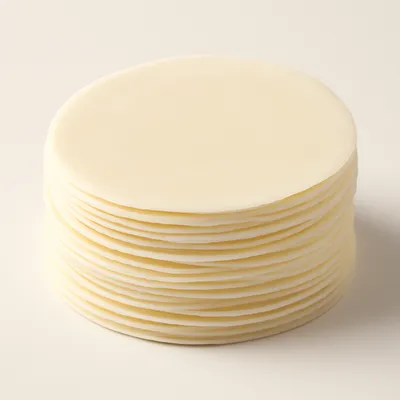
Place a small amount of filling on a thin dumpling wrapper and fold it over, pressing flat to seal.
Watch outPress the dumpling truly flat with almost no filling — that flush contact with the pan is what crisps the wrapper thin and brittle.
- 33 min
Heat a lightly oiled pan over medium heat.
- 410 min
Pan-fry the flat dumplings, turning, until both sides are browned and crisp.
Watch outFry until both sides are browned and crisp — the dumpling is bland by design, so the crisp surface is what carries it.
- 53 min
Drizzle with soy sauce and a little chili, then scatter scallion and gochugaru on top.
- 62 min
Serve hot, often alongside tteokbokki.


