
Rabokki is the snack-bar mash-up of instant ramen and tteokbokki, its name a portmanteau of ramyeon and tteokbokki. Chewy cylindrical rice cakes and springy ramen noodles cook together in tteokbokki's sweet-and-spicy gochujang sauce, rounded out with fish cake, scallions, and usually a halved boiled egg. The rice cakes go soft and bouncy, the noodles soak up the red sauce, and the dish lands somewhere richer and more filling than either parent on its own. It is a staple of Korean bunsik — the cheap flour-and-rice-cake snack food sold in school-gate stalls and snack shops across the country.




Tteokbokki began as a savory Joseon court dish of rod-shaped rice cakes braised in soy sauce; the fiery gochujang version that defines it today spread after the Korean War. By most accounts the modern stir-fried gochujang tteokbokki was popularized from 1953 by Ma Bok-rim in Seoul's Sindang-dong, who cooked rice cakes and vegetables in a gochujang sauce over a charcoal brazier. Korean tradition credits the same Sindang-dong scene with the birth of rabokki: a student is said to have brought instant ramen to add to the pot, and once ramyeon and other sari were sold to stir in, the ramen-tteokbokki combination took hold. It grew up inside bunsik culture, the wheat-flour snack trade encouraged by the government's 1960s–70s campaigns to cut rice consumption, and remains a snack-shop standard rather than a formal dish.
This is a dish you chew. The rice cakes are dense and bouncy, soft on the surface and elastic at the core, while the ramen noodles stay springy and slurpable, each carrier soaking up sauce differently. The gochujang sauce is thick and glossy, sweet up front and building to a steady chili heat, savory with fish-cake and the deep funk of fermented red-pepper paste. Soft fish cake, fresh-cut scallion, and a creamy boiled-egg yolk break up the heat, and the whole bowl is hot, saucy, and unabashedly filling.
The texture turns on starch. The rice cakes are made from non-glutinous rice and are largely amylose-rich starch that, once cooked, holds a firm springy bite instead of melting; simmering rehydrates them so the surface softens while the inside stays chewy. The ramen noodles are flash-fried and dried in manufacture, full of fine pores that drink up the sauce fast, while their wheat gluten network keeps them from going limp. The sauce thickens by two routes at once: gochujang and any added starch gelatinize, and the rice cakes themselves shed surface starch into the liquid, so the broth reduces into a clingy glaze. Sugar balances the chili's capsaicin and the salt of soy and fish cake, and the gochujang's fermentation supplies glutamates that read as savory depth. Add the noodles late so they keep their spring rather than overcook.
Variations
Heat and add-ins are where cooks play. The sauce can be tuned milder with more sugar or extra gochugaru for a sharper burn, and some build it on a dashi or anchovy stock for more savor. Common extras pile on: sliced fish cake, dumplings (giving the further mash-up mandu-rabokki), cheese melted over the top, sausage, scallions, sesame, and the near-obligatory boiled egg. Instant-tteokbokki kits with their own seasoning are often the shortcut base. Leave out the rice cakes and it is just ramyeon; leave out the noodles and it is plain tteokbokki — rabokki is precisely the dish that keeps both.
On the Palate
Where Rabokki sits in the Korean flavor cloud
Ingredients
Serves 2


How it's made
8 steps · 20 min active + 5 min waiting
- 15 min
Soak the rice cakes in warm water for several minutes if they are hard or refrigerated, so they will soften evenly.
- 23 min
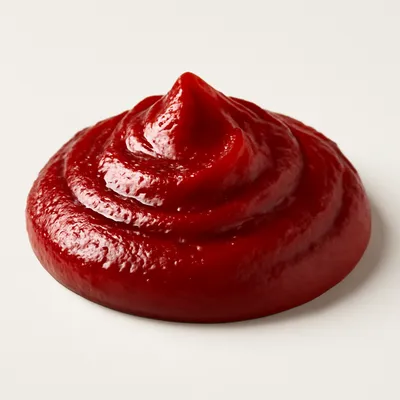
Bring water or anchovy stock to a boil in a wide pan and stir in gochujang, gochugaru, soy sauce, sugar, and minced garlic to make the sauce.
- 35 min
Add the rice cakes and sliced fish cake and simmer until the rice cakes begin to soften and the sauce starts to thicken.
- 43 min
Lay in the ramen noodles and cook just until loosened and barely tender, turning them through the sauce.
Watch outAdd the ramen noodles late and cook just until they loosen and barely soften — they drink sauce fast, so a moment too long and they go limp.
- 52 min
Stir so the noodles and rice cakes are coated and the sauce reduces to a glossy, clinging consistency.
Watch outKeep tossing until the sauce reduces to a glossy coat that clings to the rice cakes — the cakes shedding starch is what thickens it.
- 61 min
Halve a boiled egg and add it to the pan to warm through.
- 71 min
Scatter chopped scallions over the top and toss once.
- 81 min
Spoon into a bowl, finish with sesame seeds, and serve piping hot.
Archive tool suggestions — not reviewed
These legacy suggestions have not been evidence-reviewed and are not presented as required tools.


