Hobak-tteok is a steamed layered rice cake built from rice flour and sweet ripe pumpkin, set in alternating beds with red-bean topping in the old siru steamer. The pumpkin is the winter squash, nokhobak — either sliced fresh and folded through the rice flour for a moist, tender cake, or dried into strips (hobak-gogi) that are ground in for a deeper, chewier sweetness. Steamed in layers over a cloth, it comes out soft, gently sweet, and flecked orange, the red bean lending an earthy counterweight. It is homely seasonal tteok, made from early winter into spring across the Chungcheong countryside; in those parts the same pumpkin and rice flour are also folded into half-moon songpyeon.




Steamed siru-tteok — rice flour layered with bean topping and set in an earthenware steamer — is among the oldest and most everyday of Korean rice cakes, the kind made for harvests, ancestral rites, and the turning of the seasons. Folding in nokhobak, the sweet, keeping winter squash that stores well through the cold months, gives the autumn-into-winter version of that ancient form. Hobak-tteok is a regional folk cake with no single creator, made wherever the pumpkins were stored and the siru stood; in Chungcheong the dried-pumpkin strips are ground into the rice flour for songpyeon as well as the layered cake, a local turn on a nationwide tradition.
The cake is soft, moist, and lightly springy, breaking into tender, slightly sticky crumbs rather than slicing clean. The pumpkin gives a mellow, natural sweetness and a faint squash earthiness, deeper and more concentrated where dried strips are used; against it the red-bean topping is nutty, mealy, and a touch savory. There is no heavy sugar hit — just a gentle, wholesome sweetness from the squash itself, warm and comforting straight from the steamer. The texture sits between a cake and a soft dough, dense yet yielding.
Steaming rather than pounding defines siru-tteok: the moist rice flour is set in loose layers and cooked by rising steam, so the starch gelatinizes just enough to bind into a soft, tender crumb without ever developing the dense, pounded chew of a glutinous-rice cake. The pumpkin works two ways — fresh, its moisture hydrates the rice flour and its sugars sweeten the cake; dried, the strips have concentrated their sugars and turn chewier and deeper-flavored as they rehydrate in the steam. The layer of red bean is laid down as a topping that steams together with the rice, adding texture, protein, and an earthy contrast. A damp cloth under the cake lets steam through evenly while keeping the soft tteok from sticking to the steamer.
Variations
The two main forms split by the pumpkin: mul-hobak-tteok uses fresh squash sliced raw into the rice flour for a moister cake, while the dried-strip version grinds hobak-gogi in for a chewier, more concentrated sweetness. The topping and binding can be red bean, mung bean, or other beans, and glutinous rice flour can be added for a stickier body. In Chungcheong the same pumpkin-and-rice-flour mix is shaped into half-moon hobak-songpyeon. It belongs to the broad family of siru-tteok layered steamed cakes, kin to the plain pat-siruteok and the many seasonal versions flecked with fruit, nuts, or other vegetables.
On the Palate
Where Hobak Tteok sits in the Korean flavor cloud
Ingredients
Serves 6How it's made
7 steps · 40 min active + 50 min waiting
- 115 min
If using dried pumpkin strips, soak them until soft; if using fresh pumpkin, peel, deseed, and slice the squash.
- 215 min
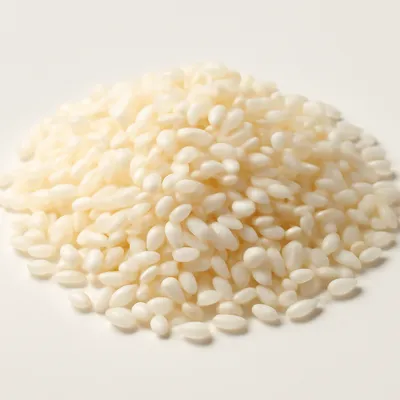
Sift the rice flour with a little salt, then lightly rub in water until it just holds together when pressed, and pass it through a coarse sieve.
Watch outRub in water only until the flour just clumps when pressed, then push it through a coarse sieve — too wet and the cake steams dense instead of light and tender.
- 35 min
Toss the fresh sliced or rehydrated pumpkin and a little sugar through the rice flour.
- 420 min
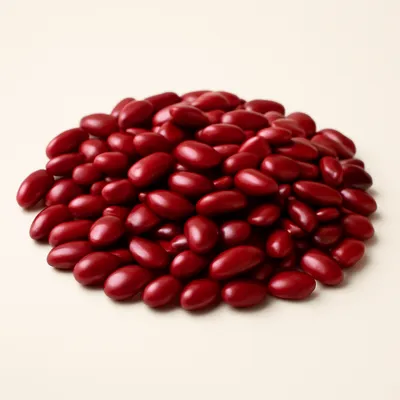
Cook and lightly mash the red beans with a pinch of salt to make the topping.
- 58 min
Line the steamer with a damp cloth and spread a layer of red bean, then the pumpkin-rice flour, alternating and finishing with red bean on top.
- 630 min
Steam over high heat until a skewer comes out clean and the cake is set and translucent.
Watch outSteam until a skewer comes out clean and the cake turns translucent — that see-through look means the starch has set into a soft, bound crumb.
- 75 min
Let it rest briefly, then turn out, cool slightly, and cut into squares to serve.
Archive tool suggestions — not reviewed
These legacy suggestions have not been evidence-reviewed and are not presented as required tools.