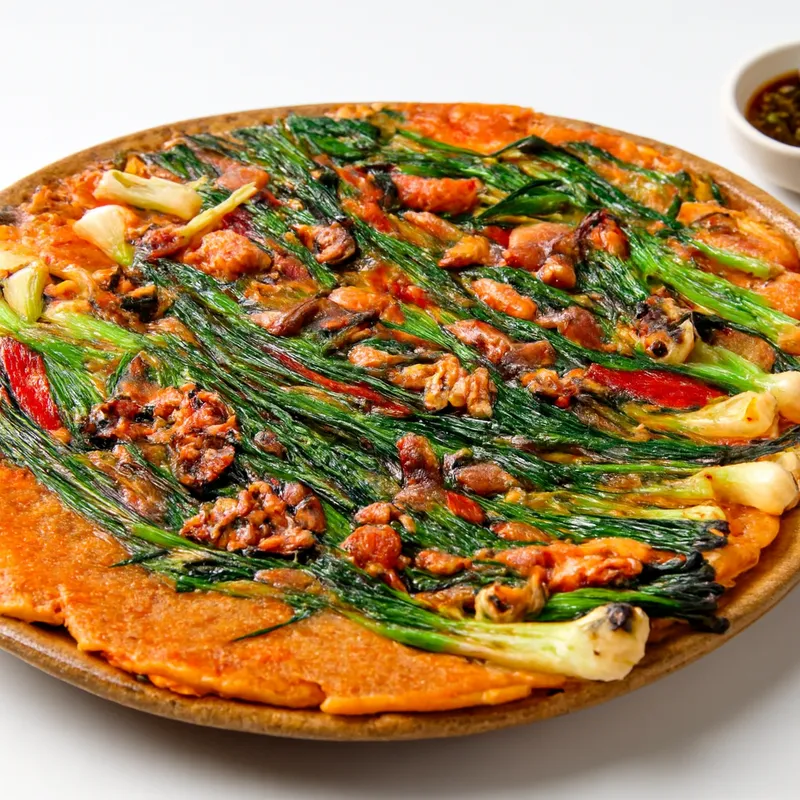
Sirutteok is the archetypal steamed Korean rice cake, named for the siru — a round earthenware steamer with a holed base that sits over a pot of boiling water. Sieved rice flour, plain short-grain or with a little glutinous rice worked in, is layered inside the siru in alternation with thick beds of seasoned red-bean mash, then steamed in one tall cake and cut into squares. The most representative form is pat-sirutteok, the red-bean version, and for that reason the cake is also called kyeotteok, the layered cake. Earthy and only lightly sweet, soft and hearty, it is above all the gosa cake — the rite cake carried to a housewarming, a new shop, or a year-end blessing, then shared around the neighbors.

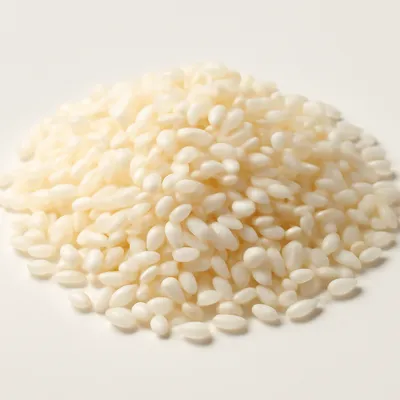
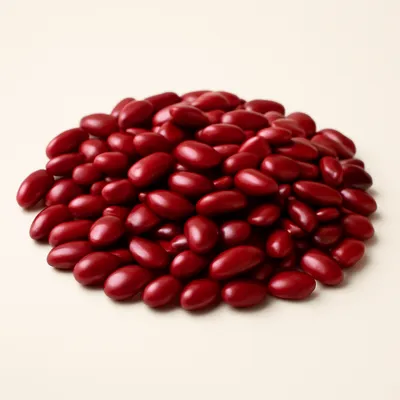


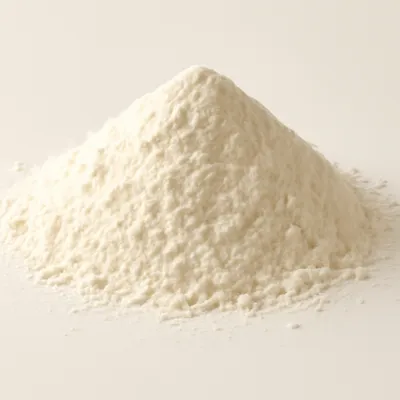
Layered steamed cakes set in the siru are among the oldest of Korean tteok, the everyday work of any household that owned a steamer, and red-bean sirutteok in particular became the cake of the gosa rite. It is made when a family moves into a new home, when a shop or business opens, when a fishing boat is launched, and at year-end household blessings, then shared with neighbors to invite good fortune and turn away misfortune. The red bean is the reason: in long-held Korean folk belief the red color is yang and drives off evil spirits and bad luck, the same thinking that puts red-bean porridge on the table at the winter solstice. There is no single creator — it is a nationwide folk tradition, and the cake also appears at hundred-day and first-birthday tables, ancestral rites, and the harvest.
The cake is soft, moist, and gently springy, breaking into tender crumbs rather than slicing clean, a little stickier where glutinous rice has gone into the flour. The red bean carries the whole flavor: nutty, mealy, and faintly savory from the salt, an earthy depth that keeps the cake from ever tasting merely sweet. There is no sugar rush — just a mild, wholesome sweetness from the rice itself, warm and filling straight from the steamer. Where the bean meets the pale rice layer the texture turns coarser and richer, the two reading as one homely, comforting mouthful.
What defines siru-tteok is steaming, not pounding: the moist sieved rice flour is set in loose layers and cooked by steam rising through the holed base, so the starch gelatinizes just enough to bind into a soft, tender crumb, never the dense, elastic chew of pounded injeolmi. Pure short-grain flour bakes up more crumbly; working in some glutinous rice, almost pure amylopectin, makes the cake stickier and softer. The red-bean gomul between the layers steams together with the rice, lending protein, moisture, earthy flavor, and structure, while the salt in the bean bed balances the sweetness. A damp cloth and a ring of siru-beon dough sealing the steamer to the pot stop the steam from escaping at the rim and channel it evenly up through the porous flour. The cake is best warm from the siru; chilled, the starch retrogrades and firms, and a brief re-steam melts it soft again.
Variations
The cake is named by its layer: the classic is pat-sirutteok with red bean, while kong-sirutteok uses other beans, and the more refined ceremonial baekpyeon or kkulpyeon is honeyed and crowned with jujube, chestnut, and pine nut. Vegetable versions fold in grated radish (mu-sirutteok) or dried pumpkin strips for the autumn hobak-sirutteok, a sibling cake. It stands against the plain muri-tteok, the unlayered white baekseolgi made of rice flour alone. The body can be all short-grain rice for a crumblier cake or part glutinous for a softer, stickier one, and modern makers sometimes use smooth sweet red-bean paste in place of the coarse mashed bean.
On the Palate
Where Sirutteok sits in the Korean flavor cloud
Ingredients
Serves 8How it's made
8 steps · 2 hours
- 1420 min
Rinse the short-grain rice and soak it in plenty of cold water for at least 6 hours or overnight, then drain it well; if using glutinous rice, soak it alongside.
- 220 min
Grind or pound the drained rice into flour, sieve it with a little salt, lightly rub in just enough water to dampen it, and pass it through a coarse sieve so it falls light and loose.
Watch outRub in only enough water to just dampen the flour, then sieve it so it falls light and loose — over-wetting gives a dense, gummy cake instead of a tender crumb.
- 330 min
Rinse the red beans, boil them with a little water until soft, drain off the cooking liquid, then season with salt and lightly mash into a coarse topping.
- 45 min
Line the steamer with a damp cloth and spread a thick first bed of the seasoned red bean across the base.
- 510 min
Add a layer of the rice flour over the bean, level it lightly without pressing, then another bed of red bean, repeating until the siru is filled and finishing with red bean on top.
- 640 min
Seal the steamer to the pot with a rope of dough around the rim and steam over high heat until a skewer comes out clean and the cake is set through.
Watch outSteam over high heat until a skewer comes out clean through the whole cake — under-steamed and the middle stays raw and pasty.
- 75 min
Turn off the heat and let the cake rest in the warm siru for a few minutes so it firms enough to hold.
Watch outRest it in the warm siru a few minutes before turning out — that pause lets it firm enough to hold its shape instead of slumping apart.
- 85 min
Turn it out, cool slightly, and cut into thick squares to serve warm.
Archive tool suggestions — not reviewed
These legacy suggestions have not been evidence-reviewed and are not presented as required tools.