
Jinju bibimbap is the elegant version from the old southern city of Jinju, known as chilbo-hwaban, the seven-treasure flower rice, for the way its colored namul are arranged like petals around a crown of raw beef tartare. Unlike the familiar mixed rice, it is seasoned with a refined gochujang and traditionally served with a side of bo-tang, a soup built on shellfish or beef innards. A nest of green mung-bean jelly, raw beef, and seasonal vegetables make it look like a blossom in the bowl. It is delicate, layered, and considered one of Jinju's signature dishes.

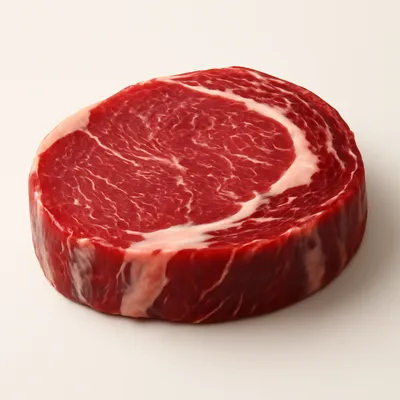



Jinju bibimbap, also called chilbo-hwaban (seven-treasure flower rice), is tied to the city's history and its refined gyobang (court-entertainment) cuisine, though several origin accounts circulate. One links it to the Imjin War siege of JinC Fortress, when soldiers and townsfolk defending Jinju Fortress are said to have slaughtered the remaining cattle, served the beef as tartare, and mixed the rest of the food into rice to eat together; another traces it to banquet food of the gyobang, and a third to communal meals eaten during the busy farming season. The seven-treasure name evokes the seven jewels of the Buddhist paradise and is sometimes read as a prayer for the souls lost in the Jinju battle. Because the accounts differ, the dish is best understood through its enduring forms, the flower-like arrangement, raw beef, and accompanying bo-tang soup, rather than a single settled origin.
Soft and varied in one mouthful: cool silky mung-bean jelly, tender raw beef, the gentle chew of seasoned namul, and warm rice, brought together by a mellow, sweet-savory gochujang that warms rather than scorches. The bo-tang soup on the side adds a briny, meaty depth that rounds the meal.
The dish balances raw, cooked, cool, and warm in a single bowl. The vegetables are each blanched and dressed apart so their colors and textures hold and form the flower pattern, while the raw beef contributes richness and the springy mung-bean jelly a cooling, slippery counterpoint. A refined gochujang seasons without overwhelming, its fermented sweetness and gentle heat tying the elements together when mixed; the bo-tang, made by simmering shellfish or beef innards, lends a savory liquid that complements the rice and cleans the meal toward the elegant rather than the fiery.
Variations
The classic Jinju bowl crowns the rice with raw beef tartare, but a lightly cooked or seared beef topping is offered for those wary of raw meat. The namul rotate with the seasons, and the accompanying bo-tang may be based on clams, mussels, or beef innards depending on the kitchen. Some restaurants serve it in a brass bowl in the gyobang style, and a raw egg yolk is a common finishing touch.
On the Palate
Where Jinju Bibimbap sits in the Korean flavor cloud
Ingredients
Serves 2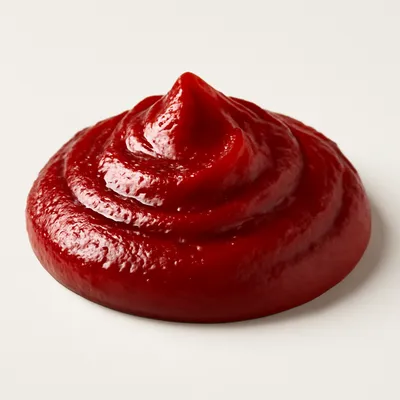



How it's made
6 steps · 50 min
- 118 min
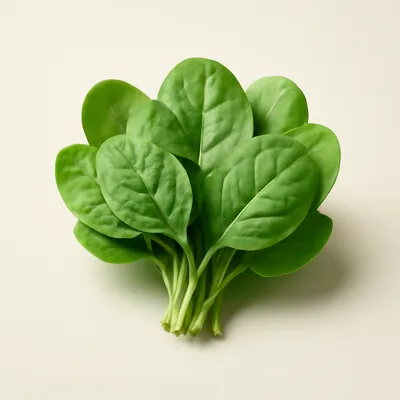
Blanch and season each namul separately, keeping the colors distinct.
Watch outBlanch and dress each namul on its own so the colors stay bright and distinct — mixed together they blur into one muddy heap.
- 28 min
Season raw beef with sesame oil, garlic, soy sauce, and a little sugar for the yukhoe.
- 36 min
Slice green mung-bean jelly into strips and have crisp vegetables ready.
- 412 min
Simmer a bo-tang soup with shellfish or beef innards to serve alongside.
- 54 min
Mound warm rice in a bowl and arrange the namul, mung-bean jelly, and yukhoe like flower petals on top.
- 62 min
Add a spoon of refined gochujang and serve with the bo-tang, mixing everything to eat.
Archive tool suggestions — not reviewed
These legacy suggestions have not been evidence-reviewed and are not presented as required tools.


