In Practice
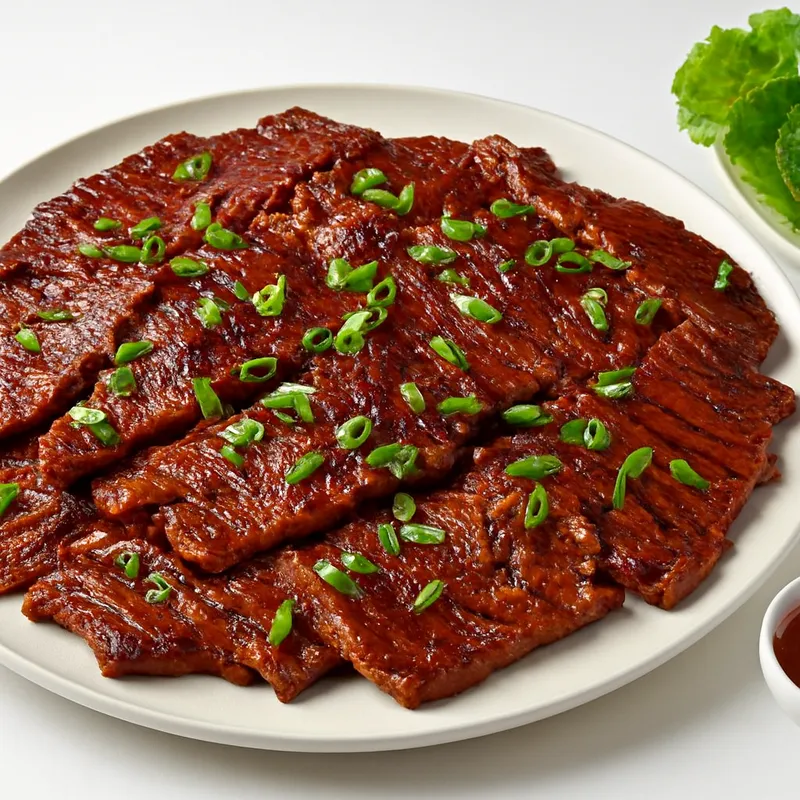
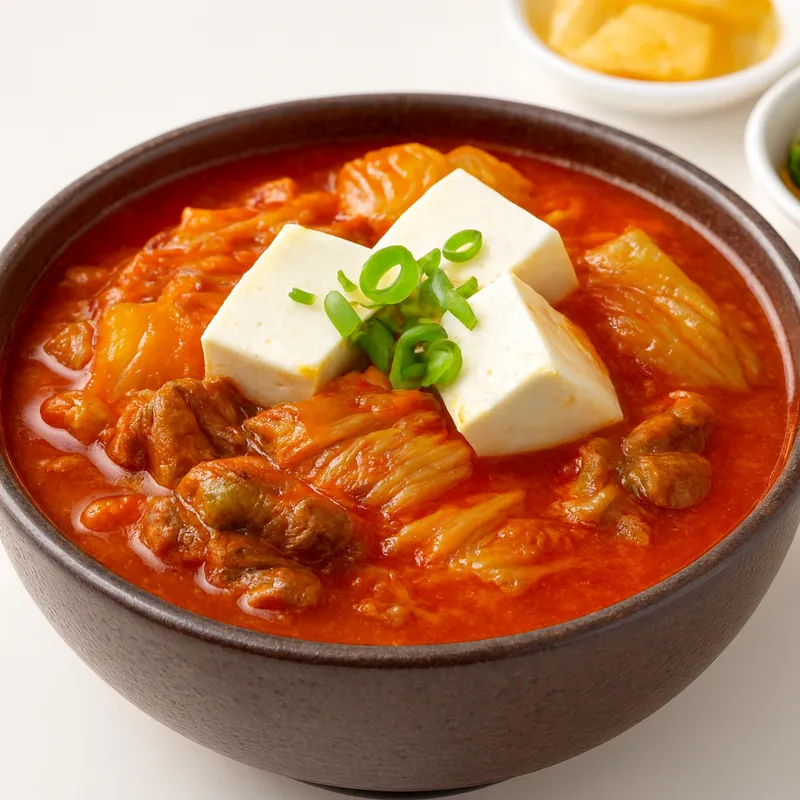
Three classes by count: gibon (3 staples — kimchi, kkakdugi, namul); 3-banchan family meal (chopchae plus 2 namul); 12-banchan formal Soorasang (royal-court tally). Plates are 8-12 cm porcelain or brassware (yugi); portions are 2-3 bites each, refilled silently. Failure mode: serving banchan hot or in large portions collapses the palate-resetting function — they become side dishes rather than the meal's spine.
Background
In the heart of the Jeolla region during the Joseon Dynasty, Banchan emerged as a distinct culinary tradition. The abundance of fertile land and a mild climate provided a diverse array of ingredients, enabling the creation of a variety of small dishes. This culinary practice was deeply rooted in Confucian ideals, emphasizing harmony and balance in meal presentation and consumption.
As Korean society evolved, Banchan traveled beyond the borders of Jeolla, adapting to regional preferences and available resources. In Seoul, for instance, Banchan became more refined and intricate, while coastal areas integrated more seafood. Today, Banchan is an indispensable part of Korean cuisine, each variation a reflection of local tastes and history.
How It Works
A meal-architecture in which the entire flavor matrix arrives at once, cold or room-temperature, so the diner self-composes each bite of rice with 1-2 contrasting banchan. Acidity (kimchi), salt (jeotgal), bitterness (namul), and richness (jorim) are distributed across separate plates rather than layered in one dish — palate cleansing happens between bites, not between courses.



Through Time
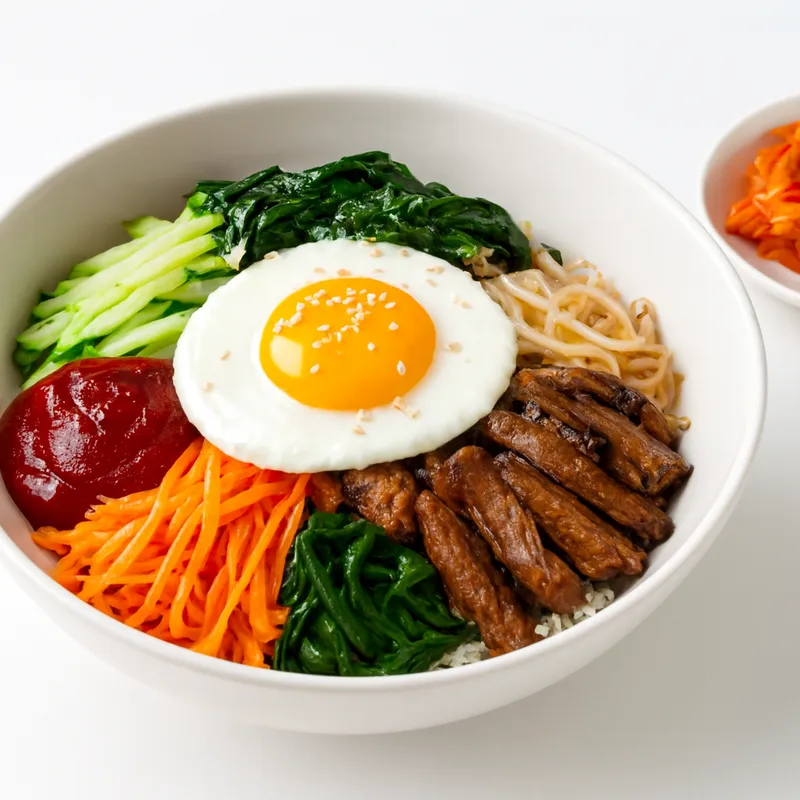
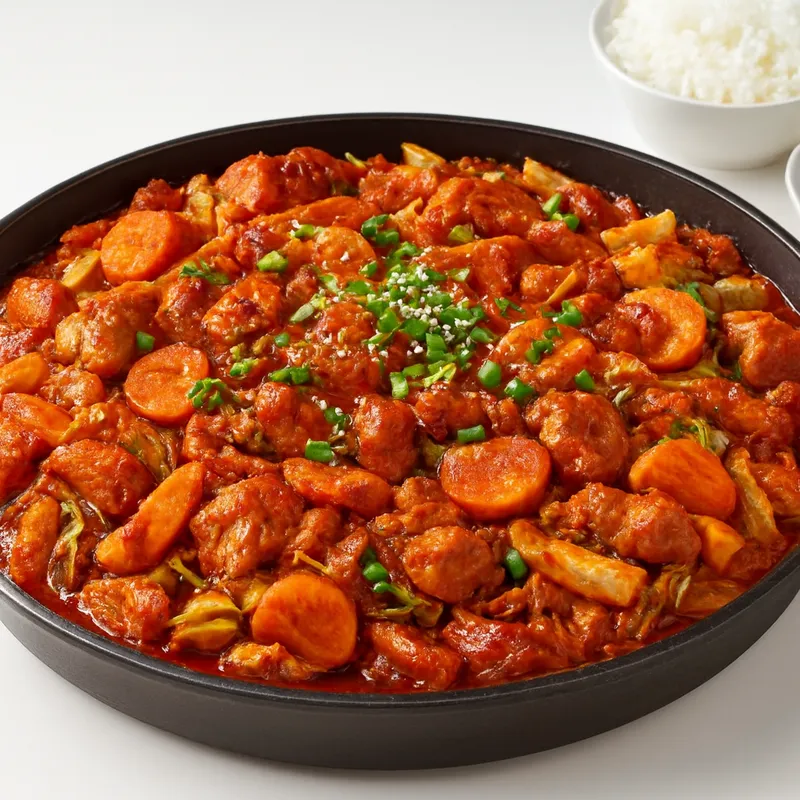
Codified during the Joseon Dynasty (1392-1897) as Soorasang — the royal table of 12+ banchan recorded in the 1670s *Eumsik Dimibang* by Lady Jang Gye-hyang and later in *Gyuhap Chongseo* (1809). Buddhist temple cuisine (사찰음식) shaped the namul vocabulary during the Goryeo prohibition on meat. Modern documentation: Hwang Hye-seong's National Intangible Cultural Heritage designation (1971).
Related cooking knowledge
Mezze and Zakuski share the small-plates architecture but differ in temperature and pacing — banchan is rice-anchored and cold-default, mezze is bread-anchored, zakuski is pre-meal vodka-paced. Lalapan parallels banchan's raw-vegetable cleanser role. Fermentation (kimchi) is banchan's foundational technique.