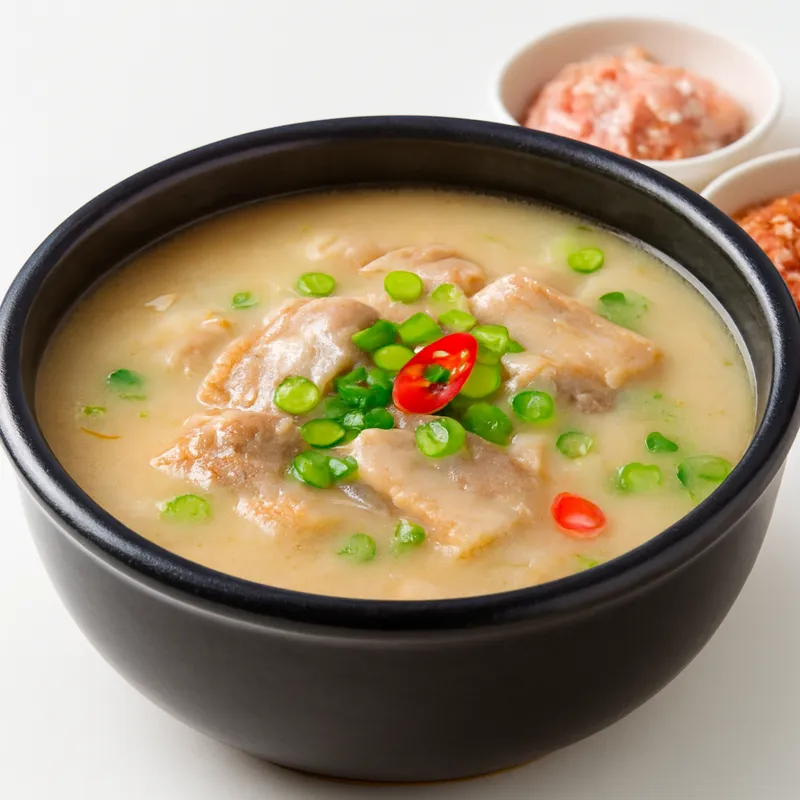
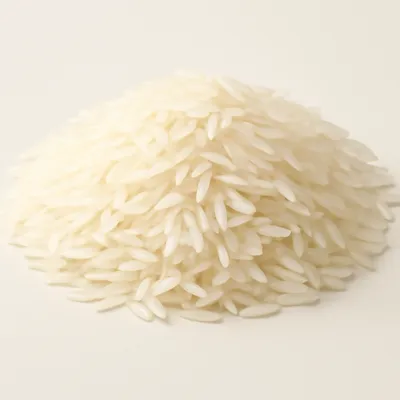
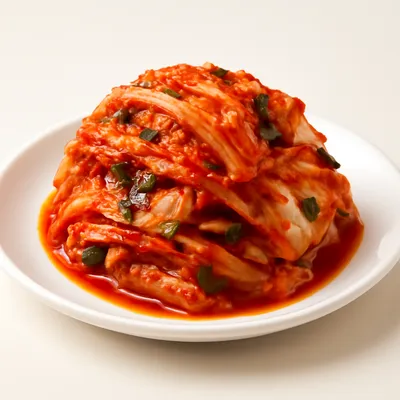
Dotori-mukbap is a rustic dish from Korea's mountainous central interior, especially the Chungcheong region, built around dotori-muk, a soft brown jelly set from acorn starch. The jelly is sliced into strips or cubes and laid over a bowl of cooked short-grain rice, then a cool seasoned broth — anchovy-and-kelp or beef, soy-seasoned — is poured over the top. It is finished with chopped greens and seasoned kimchi, flakes of toasted seaweed (gim), sesame seeds, and a dusting of gochugaru. The components are never simmered together; the set jelly meets an already-chilled broth, so it stays a cold assembly rather than a soup. Eaten cool, it is a light, refreshing one-bowl meal favored in summer and as a post-hike restorative, though a warm-broth version is common in winter.




Acorns (dotori) are one of Korea's oldest frugal foraged foods. Across the mountainous interior, autumn oak mast was gathered, ground, and leached into starch when grain was scarce; classical agronomic texts such as the 17th-century Sallim gyeongje (Forest Economy) record acorns among emergency famine-relief foods, and the Joseon state is documented to have stockpiled them even in normal years against lean seasons. Acorn jelly itself is an old preparation — the Dongui bogam medical compendium even notes its use for digestive complaints — and it long carried a humble, scholar's-snack reputation in Chungcheong, where Chungbuk's oak-covered hills made it a regional specialty (the Guzeuk acorn-jelly tradition near Daejeon is well known). The exact origin of the mukbap form — jelly with rice in a cool broth — is unrecorded, as with most foraged folk foods; it is plainly a thrifty mountain way to stretch a little jelly and rice into a meal. A popular tale that King Seonjo first tasted acorn jelly while fleeing the 1592 Imjin War is folklore rather than documented fact.
The first thing is the jelly's wobble — soft, slippery cubes that quiver on the spoon and barely hold their edges, with the gentle give and clean snap of a good muk. The flavor is earthy and faintly nutty, carrying just enough residual bitterness to taste of the acorn without turning astringent. Around it the broth is cool and savory, light on the tongue, while the rice underneath sits firm and grounding. Crisp greens and cucumber add a fresh crunch, the toasted seaweed brings a whisper of smoke and salt, and the gochugaru a low warmth. Everything is cold or cool, and the pleasure is in the contrast: the trembling bland jelly, the seasoned liquid, the chewy rice, the brisk toppings, all in one refreshing spoonful.
Raw acorns are inedibly bitter and astringent because they are loaded with tannins, so the starch must first be leached: ground acorn meal is steeped and decanted with repeated changes of water over hours to days until the bitterness washes out (one Dong-guk University study cut tannins in a bitter acorn species from about 9% to 0.18% by water-leaching without stripping the amino acids), leaving pale, mild starch. To make the muk, that starch is whisked into water at roughly a 1-to-6 ratio with a little salt and cooked over low heat, stirred constantly so it does not scorch or lump; as the starch granules swell and burst the slurry turns thick and glossy, then it is poured into a mold. On cooling the gelatinized starch chains re-associate — retrogradation — and set into a soft, self-supporting jelly, deliberately kept barely firm so it stays tender, with a faint pleasant bitterness from the tannins that survive leaching. The dish itself is a cold assembly, not a cooked one: the set jelly is sliced into a broth that has already been simmered (anchovy-kelp or beef with soy) and then chilled, so the components keep their distinct textures. Because the jelly is bland and watery, it works as a neutral carrier, soaking up the seasoned broth and showcasing the toppings rather than supplying flavor of its own.
Variations
The most common cousin is dotori-muk-muchim, the same acorn jelly tossed as a salad with soy, sesame, gochugaru and greens but no broth; plain sliced dotori-muk with a dipping sauce is simpler still. The mukbap form has close siblings made from other muk: memil-mukbap and memil-muk from buckwheat starch, a darker, more brittle jelly associated with Gangwon and Pyeongchang, and cheongpo-muk from mung-bean starch — pale and translucent — most famous in the seasoned dish tangpyeongchae. The broth can be served either cold for summer or warm in winter, and bowls go by names like muk-sabal or muk-guksu depending on whether rice or noodles share the bowl.
On the Palate
Where Dotori-mukbap sits in the Korean flavor cloud
Ingredients
Serves 2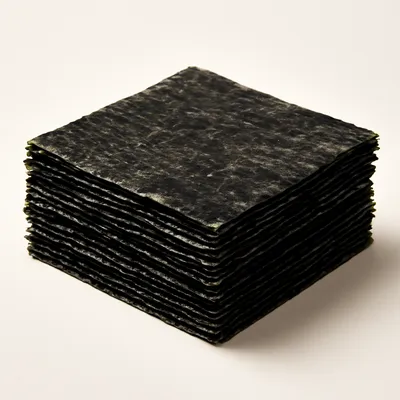


How it's made
7 steps · 50 min active + 3 hours 40 min waiting
- 15 min
Whisk acorn starch powder into cold water at about a 1-to-6 ratio with a pinch of salt until no lumps remain.
Watch outWhisk the acorn starch into cold water until no lumps remain before heating — lumps in the raw slurry never smooth out once it thickens.
- 275 min
Pour into a pot and cook over low heat, stirring constantly, until the slurry turns thick, glossy and translucent, about 10-15 minutes; pour into a mold and leave to cool, then chill until set into a firm-but-tender jelly.
Watch outCook the acorn slurry over low heat, stirring constantly, until thick, glossy and translucent — stop stirring and it scorches or lumps; it must turn translucent to set into a firm-but-tender jelly.
- 390 min
Simmer an anchovy-and-kelp broth with scallion and a little soy sauce for about 20-30 minutes, strain, season to taste, then cool and refrigerate until cold.
- 415 min
Squeeze and chop the kimchi, slice cucumber and any greens, toast the seaweed and crumble it, and toast the sesame seeds.
- 55 min
Unmold the set acorn jelly and slice it into strips or cubes.
- 63 min
Put cooked short-grain rice in each bowl, arrange the sliced jelly on top, and ladle over the cold seasoned broth.
- 72 min
Top with the kimchi, cucumber, greens, crumbled seaweed and sesame, dust with gochugaru, and serve cold.
Archive tool suggestions — not reviewed
These legacy suggestions have not been evidence-reviewed and are not presented as required tools.