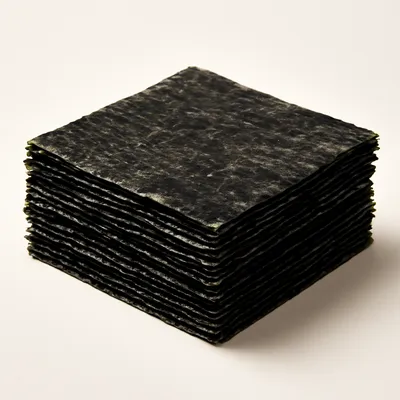
Gim is the dried laver eaten at almost every Korean table — paper-thin sheets of pressed seaweed that, for the seasoned side dish, are brushed with sesame or perilla oil, sprinkled with fine salt, and toasted (gim-gui) until crisp and fragrant, then cut into small rectangles. Each piece is used to pinch up a bite of warm rice, shattering with a salty, oceanic, nutty snap. The same laver, left unseasoned, wraps the rice of kimbap, but the roasted seasoned sheet is its own humble, beloved banchan. It keeps well in a sealed tin and asks for nothing but hot rice.


Laver gathering is old along Korea's southern coast, but cultivation is what made gim an everyday food, and tradition credits its beginnings to the Gwangyang area around 1640, when a settler on Taein-do is said to have noticed laver clinging to driftwood and learned to farm it on bamboo and chestnut brush in the tidal flats. The story survives mainly through a posthumous tomb inscription written in the early 1700s, so the founder figure is best treated as semi-legendary; what is firm is that Gwangyang's Taein-do is honored as one of the earliest laver-farming sites. A folk account even ties the very word gim to the surname of that founding family. By the Joseon period laver was prized enough to appear as tribute, and the thin, oiled, salted, lightly roasted sheet became the quintessential rice companion.
Feather-light and brittle, the sheet snaps and dissolves on the tongue into a wash of salt and sea. Sesame or perilla oil lays a warm, toasty, nutty layer over the marine umami, and the faint roast gives a whisper of smoke. On its own it is crisp and clean; around a clump of rice it turns savory and satisfying.
Laver's savory punch is glutamate-rich: dried Porphyra carries free amino acids and nucleotides that read as deep umami, concentrated as the sheet is dried. Roasting drives off the last moisture and triggers light Maillard and pyrolysis reactions in the seaweed's proteins and sugars, shifting its color from purplish to green and building toasty aroma; the oil both carries heat evenly and contributes its own nutty volatiles, while salt sharpens every note. Because the sheet is wafer-thin it crisps almost instantly, so the toast must be brief and the heat moderate — over-roasting scorches it bitter in seconds.
Variations
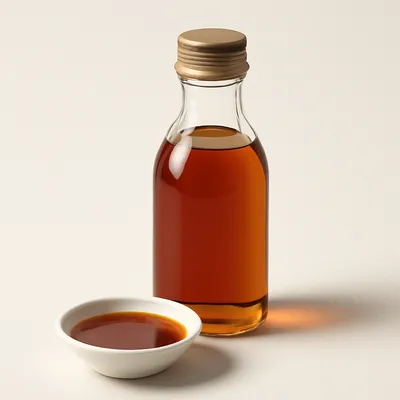
Sesame oil is the common brush, but perilla oil (deulgireum) is a beloved alternative for its grassier, rounder aroma; some cooks blend the two. Salt may be tossed with a pinch of sugar, and the toasted sheets can be crumbled into gim-jaban, a loose seaweed flake sprinkled over rice. Plain unseasoned and untoasted sheets go to kimbap and triangle gimbap, while pre-seasoned snack gim is sold ready to eat. Regional and home versions vary the oil, the salt level, and how dark the roast is taken.
On the Palate
Where Gim sits in the Korean flavor cloud
Ingredients
Serves 4How it's made
8 steps · 10 min
- 11 min
Lay out 10 sheets of dried laver and check that they are dry and unbroken.
- 22 min
Brush one side of each sheet thinly and evenly with sesame oil (or perilla oil); stack two oiled sheets together to work faster.
Watch outBrush the oil thin and even — a puddle makes the sheet soggy and greasy instead of shatter-crisp.
- 31 min
Sprinkle the oiled surface lightly with fine salt — a little goes a long way.
- 41 min
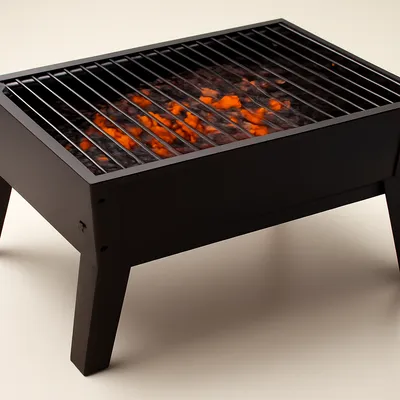
Heat a dry pan over medium heat (or use a low flame directly).
- 52 min
Toast each sheet for just a few seconds per side, pressing lightly, until it turns from purplish to green and smells nutty and crisp.
Watch outToast just a few seconds a side over moderate heat until the sheet shifts from purplish to green and smells nutty; the paper-thin laver scorches to bitter in an instant.
- 61 min
Remove at once and let the sheets cool flat so they crisp fully.
- 71 min
Stack the toasted sheets and cut into small rectangles with scissors or a knife.
- 81 min
Scatter with toasted sesame seeds if you like, and store airtight; serve with hot rice.
Archive tool suggestions — not reviewed
These legacy suggestions have not been evidence-reviewed and are not presented as required tools.