The Korean-Chinese rendition of stone-pot bibimbap as eaten by the ethnic-Korean communities of Yanbian, in Jilin — a signature of the Northeast's Korean-Chinese table, not a dish imported from Korea. Rice is crowned with separately seasoned vegetables and wild mountain greens — bracken, balloon-flower root, soybean sprouts, spinach, carrot — plus minced beef, an egg, and a spoon of chili-bean sauce, all packed into a screaming-hot stone bowl. The heat crisps the bottom layer of rice into a golden, fragrant crust called guoba while the bowl hisses at the table. Just before eating, everything is stirred together. In 2021 the craft was listed as Jilin provincial intangible cultural heritage.



Bibimbap — literally 'mixed rice' — is shared across the Korean peninsula and the Korean diaspora of Northeast China, and is generally traced to a late-nineteenth-century folk practice of mixing the various offerings left after ancestral rites into a single bowl. Carried by Korean settlers into the Northeast, it took deep root in Yanbian Korean Autonomous Prefecture in Jilin, where local wild mountain greens such as bracken and balloon-flower root and a homemade chili-bean sauce gave it a distinct Korean-Chinese character. The stone-bowl form, which crisps the rice into guoba, became the prized restaurant version. In December 2021 the 'craft of making Korean-ethnicity stone-pot bibimbap' was inscribed on Jilin's fifth batch of provincial intangible cultural heritage, nominated by Yanbian prefecture.
The first pull of the spoon is all contrast: loose, steaming rice up top against the prized bottom layer of guoba, scorched crisp and nutty where it met the stone. Each vegetable keeps its own voice — earthy bracken, crunchy sprouts, sweet carrot, grassy spinach — bound by the deep, sweet-hot warmth of the chili-bean sauce and a sheen of toasted sesame oil. The egg yolk runs glossy through the grains, and the beef adds a savory backbone. Stir it all together and it eats hot, fragrant, and chewy, the crackle of crust running through every mouthful.
The stone bowl is the engine. Thick and dense, it is preheated until fiercely hot and holds that heat long after it leaves the stove, so the rice in contact with its wall keeps cooking at the table. There, with a film of sesame oil between grain and stone, the rice dehydrates and browns through the Maillard reaction — roughly from 140–160°C upward — building the crisp, aromatic guoba crust and the signature sizzle. Each vegetable is blanched or stir-fried and seasoned on its own so its color and texture stay distinct rather than muddying together, and the wild greens are pre-soaked and parboiled to tame their bitterness. The chili-bean sauce — chili paste loosened with garlic, sesame oil, soy, sugar, and a little vinegar — is the unifying seasoning, stirred through at the last moment so its sweetness and heat coat every grain.
Variations
The vegetable mix shifts with the season and the household — bracken, balloon-flower root, soybean sprouts, spinach, fern, radish, and zucchini all appear. The egg may be a runny fried egg laid on top or a raw yolk that cooks against the hot rice, and the beef is sometimes left out for a vegetable bowl. A plain non-stone version served in an ordinary bowl skips the crust, and the amount of chili-bean sauce is adjusted to taste. The Yanbian Korean-Chinese style leans on local wild mountain greens that set it apart from peninsular versions.
On the Palate
Where Korean-Chinese Dolsot Bibimbap sits in the Chinese flavor cloud
Ingredients
Serves 2

How it's made
8 steps · 40 min
- 125 min
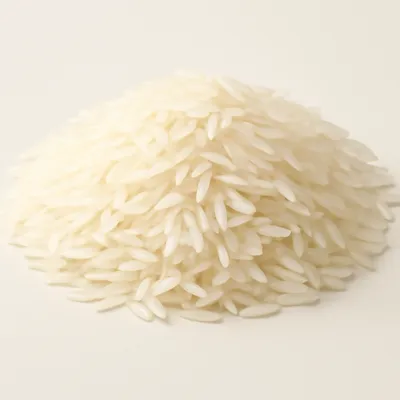
Cook short-grain rice slightly firm so it crisps well; keep it warm.
- 215 min
Soak and parboil the wild greens (bracken, balloon-flower root) to tame bitterness, then squeeze dry.
- 312 min
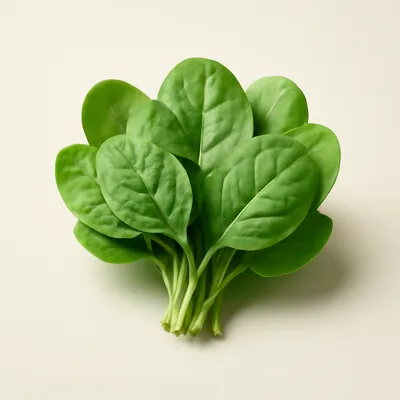
Blanch or stir-fry each vegetable separately — soybean sprouts, spinach, carrot, greens — seasoning each with salt, garlic, and sesame oil so they stay distinct.
- 45 min
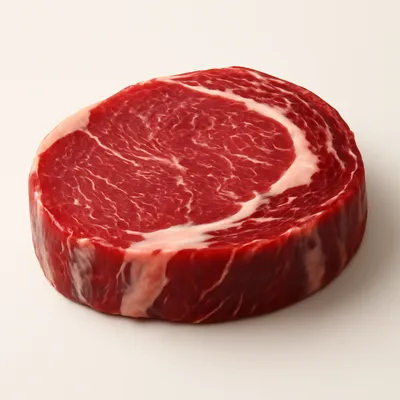
Stir-fry the minced beef with soy sauce and a little sugar until savory and just dry.
- 53 min
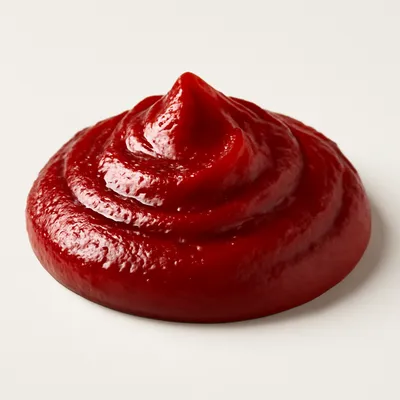
Make the chili-bean sauce: loosen chili paste with garlic, sesame oil, soy sauce, sugar, and a touch of vinegar.
- 66 min
Rub a stone bowl with sesame oil, press in the hot rice, and heat it hard until the bottom layer begins to crackle into a crust.
Watch outWith sesame oil between rice and stone, heat the bowl hard until the bottom layer actually crackles and sizzles — that sound is the guoba crust forming; no sizzle means the stone isn't hot enough.
- 73 min
Arrange the seasoned vegetables and beef over the rice in wedges, set an egg in the center, and spoon on the chili-bean sauce.
- 81 min
Bring the bowl to the table still sizzling and stir everything together thoroughly just before eating.
Watch outKeep each seasoned vegetable in its own wedge and stir everything together only at the table — mix too early and the colors and flavors muddy into one.


