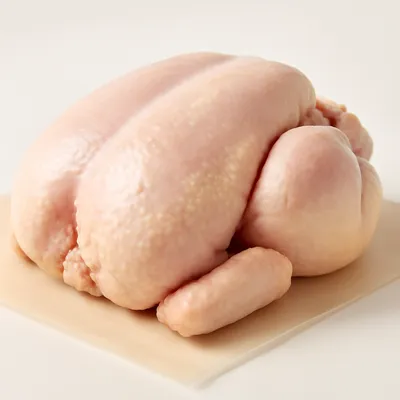
Gulin Mala Chicken is a cold braised-chicken specialty from Gulin County in southern Sichuan, where free-range highland roosters are slow-braised in a forty-plus-spice brine until the meat pulls from the bone, then hung to air-cool until the skin tightens into a glossy amber shell. Diners chop the cold bird into even pieces and dip each morsel into a prepared sauce of chili oil, Sichuan peppercorn powder, sesame, and braising liquid — the sauce assembled two days in advance so the flavors have time to meld. Known locally by four superlatives — strikingly numbing, strikingly spicy, strikingly fresh, strikingly aromatic — it is the flagship dish of Gulin County, essential at weddings, New Year banquets, and ordinary dinner tables alike, and has been an Intangible Cultural Heritage of Sichuan Province since 2023.



According to the Gulin County Annals (《古蔺县志》), the dish was created in the 1940s by Nie Xiangquan, known locally as Nie Dundun. He is said to have learned cold-dressed chicken techniques while working in Fengdu, Chongqing, and returned to Gulin to adapt them using locally raised mountain chickens and the layered heat of southern Sichuan's chili-peppercorn pantry. Sold from mobile street stalls through the 1960s, the dish found its first fixed restaurant address on Shuibeimen street in the late 1980s. Later practitioners — especially Ji Sansa (Ji Yuequn), a Luzhou Municipal Intangible Cultural Heritage inheritor — refined the dipping sauce formula by incorporating Longshan chili peppers grown in Gulin's volcanic-soil highlands. The dish appeared on CCTV's A Bite of China Season 2 in May 2014, was inscribed on Luzhou Municipality's Intangible Cultural Heritage list in 2010, and entered the Sichuan Province ICH registry in 2023.
Gulin Mala Chicken arrives cold: the whole bird braised through and hung to air-set, the skin drawn tight and amber-gold, with a faint crispness when pressed. The sequence of flavors is the point — Sichuan peppercorn numbness blooms first, spreading across the inner lips in a fine electric tingle, and then the Longshan chili heat arrives a beat later, distinct and separate, rather than the simultaneous blast of ordinary mala cooking. Between skin and meat a thin layer of locked-in braising liquid carries a concentrated savory salt — the most intensely flavored part of the bird. Crushed sesame and rendered chicken fat in the dipping sauce leave a fine nuttiness in the finish. Local habit: pour whatever remains in the dipping bowl over white rice.
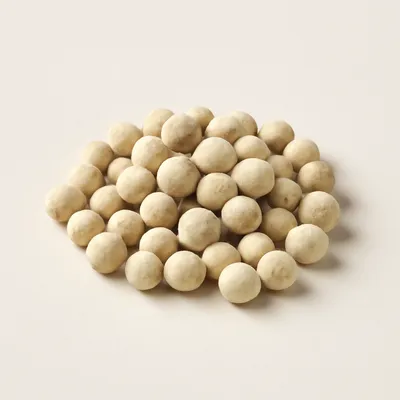
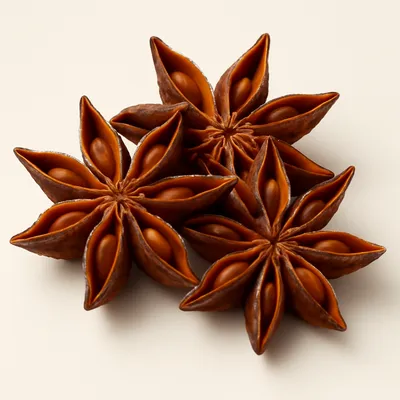
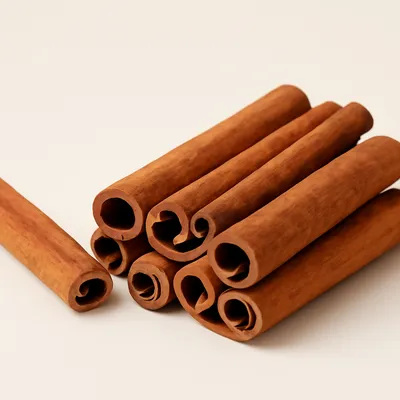
The technique rests on two independent disciplines: the braising brine and the dipping sauce, each requiring its own preparation time. The brine is built from over forty aromatics — black cardamom, angelica root, clove, star anise, cinnamon, and more — simmered into a deeply spiced stock. The whole chicken enters at a maintained simmer near 95°C for roughly one hour; a bamboo skewer pressed into the thigh and withdrawn clean, with no pink liquid, confirms doneness. The chicken is then hooked and hung in open air: residual heat drives interior moisture out through the cavity while the subdermal braising liquid glazes and contracts, setting the skin from soft to crisp as the bird reaches room temperature. The dipping sauce must be assembled two days in advance so flavors meld: Longshan chili peppers are deep-fried in local rapeseed oil to make chili oil, combined with Sichuan peppercorn powder, white pepper, toasted crushed sesame, and a measure of braising stock, then left to rest. Longshan peppers — grown in Gulin's volcanic-soil highlands — carry an elevated capsaicin concentration, which local producers hold cannot be replicated by substitute chili varieties, and accounts for the dish's characteristic clean, penetrating heat.
Variations
Two broad schools coexist within Gulin: the lighter "white" version prioritizes Sichuan peppercorn over chili, emphasizing numbing over heat and a paler sauce; the "red" version leads with Longshan chili oil and pushes heat emphatically. Both trace to Nie Dundun's original recipe but diverged through different inheritor workshops over several decades, and local opinion on which is more authentic remains divided. A poured-sauce version (淋汁 style) has also emerged, in which the dipping liquid is ladled directly over plated chicken pieces for easier eating. Vacuum-packed retail versions now ship nationwide; Gulin producers sold approximately 600,000 birds in 2021 with combined output approaching 100 million yuan, and the dish has since extended into aviation catering and export markets.
On the Palate
Where Gulin Mala Chicken sits in the Chinese flavor cloud
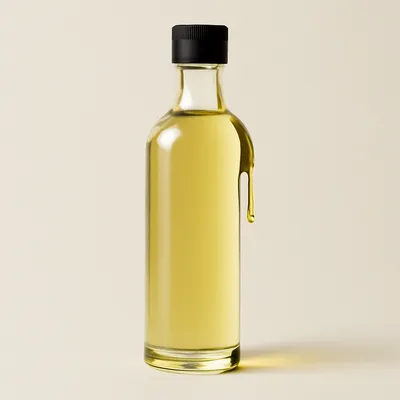
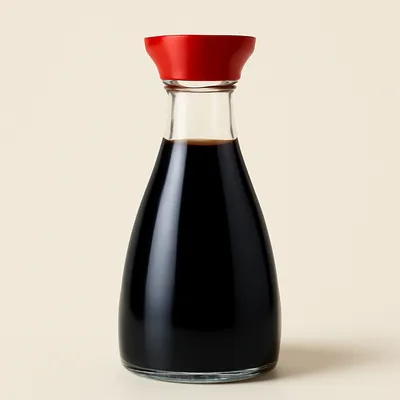
Ingredients
Serves 4
How it's made
7 steps · 20 min
- 130 min
Combine star anise, cinnamon, black cardamom, clove, angelica root, ginger, soy sauce, and salt in a large pot with 3 L of water; bring to a boil, then reduce heat and simmer 30 minutes to build the spiced brine.
- 25 min
Rinse the whole chicken thoroughly; lower it into the simmering brine and reduce heat to maintain a gentle simmer near 95°C.
Watch outHold the brine at a bare simmer near 95 degrees — a rolling boil toughens the skin and tears the meat off the bones.
- 360 min
Braise for 60 minutes, skimming any foam; test doneness by pressing a bamboo skewer into the thickest part of the thigh — withdraw cleanly with no pink liquid running out; if liquid is still red, continue for another 10 minutes.
Watch outTest with a skewer in the thickest thigh — it must draw out clean with no pink liquid, or give it another ten minutes.
- 4120 min
Lift the chicken from the brine; hook it through the neck cavity and hang in a well-ventilated spot to cool completely for at least 2 hours, until the skin tightens and turns golden.
Watch outHang the chicken in the breeze until the skin tightens and turns golden — this dry-cools it so the skin firms instead of steaming soft.
- 520 min
Prepare the dipping sauce (ideally 2 days ahead): deep-fry dried chili in rapeseed oil over medium heat until fragrant to make chili oil; combine with Sichuan peppercorn powder, white pepper powder, toasted crushed sesame, and 3 tablespoons of braising stock; stir well and let rest.
- 610 min
Once the chicken is completely cold and the skin is set, place on a chopping board and cleave into uniform bite-size pieces.
- 75 min
Arrange on a platter and serve alongside the dipping sauce; pour any remaining sauce over white rice to finish.


