
Daegu Jjim is a Gyeongsang winter dish from the southeastern coast — Pohang, Geoje, and Busan all have versions — built around dongtae cod (winter cod, when the catch peaks December-February). The braising-with-radish pattern parallels the agu jjim of Masan but predates the modern bean-sprout-heavy form; older recipes leaned harder on radish as the bulk vegetable. The name plays on the homonymy with Daegu the city, but the dish is not from Daegu — "daegu" simply means cod.
A Gyeongsang winter braise built on dongtae cod (December-February peak). The name plays on the homonymy with Daegu the city, but the dish isn't from Daegu — daegu just means cod. Cold-water cod's firm myocommata is what holds the steak together through 16 minutes of simmering.
Cod flesh comes apart in clean white flakes the size of a thumb pad, soaked through with the red sauce but holding shape — winter cod is firm where summer cod would crumble. Mu radish slices have gone translucent and sweet, having drunk the sauce while giving up their own water to thin it. Compared to agu jjim, this is rounder and softer — radish-sweet rather than gelatinous-chewy. If the cod has fallen apart into the sauce, it boiled rather than simmered.
Winter cod matters: cold-water cod has firm myocommata (the connective sheets between muscle flakes) that hold the steak together through 16 minutes of braising; warm-season cod falls apart. Layering radish underneath the fish is structural — radish acts as a steaming rack that lifts cod off direct heat, preventing the bottom from scorching while letting the top cook in vapour-rich braise. The starch slurry tightens what radish has thinned, ending with a clinging not pooling sauce.
Variations
Pohang-style runs heavier on radish; Geoje and Tongyeong use whole steaks rather than chunks; Busan-Gijang adds dried red chili for a sharper edge; some inland versions swap radish for daikon-and-potato.
On the Palate
Where Daegu Jjim sits in the Korean flavor cloud
Ingredients
Serves 4







How it's made
5 steps · 25 min active + 15 min waiting
- 118 min
Cut 800g whole cod (skin on, bone in) into 5cm thick steaks. Rinse in salted water, pat dry. Soak 250g soybean sprouts 15 minutes; drain.
- 25 min
Peel and slice 400g mu Korean radish into 1cm-thick half-moons. Slice 1 onion in thick wedges, 4 scallions in 5cm batons.
- 33 min
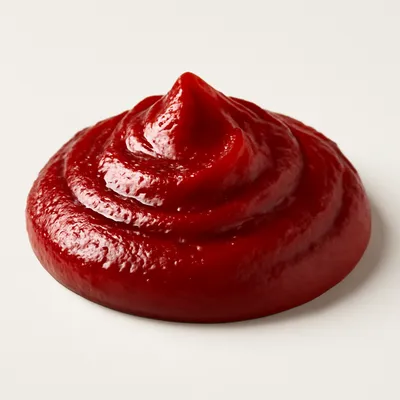
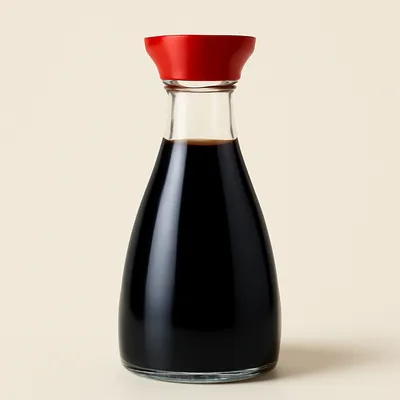
Mix sauce: 4 tbsp gochugaru, 3 tbsp soy sauce, 1 tbsp gochujang, 6 minced garlic cloves, 1 tbsp grated ginger, 1 tbsp sugar, 2 tbsp mirim, 1 tbsp fish sauce.
Watch outTaste the sauce before it hits the fish — it should punch salty-spicy, because the radish and cod water will thin it out as it braises.
- 416 min
Layer the radish on the bottom of a wide pot, sprouts and onion next, then cod steaks on top. Pour sauce paste and 400ml water over. Cover, boil hard 4 minutes, then medium 12 minutes — radish should be translucent, cod opaque and just firm.
Watch outBraise until the radish goes translucent and the cod is just opaque and firm — push past that and the steaks flake apart.
- 53 min
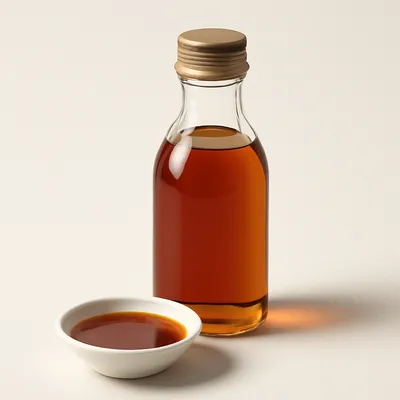
Spoon sauce up over the cod twice without breaking the steaks. Add scallions and 1 sliced green chile. Stir 1 tbsp potato starch into 2 tbsp cold water and drizzle around the edge; cook 1 minute to thicken. Drizzle sesame oil, scatter sesame seeds. Serve hot from the pot.
Watch outDrizzle the starch slurry around the rim, not over the fish, and give it one minute — the sauce should cling to the cod, not pool at the bottom.
Archive tool suggestions — not reviewed
These legacy suggestions have not been evidence-reviewed and are not presented as required tools.


