

Gangwon Korean
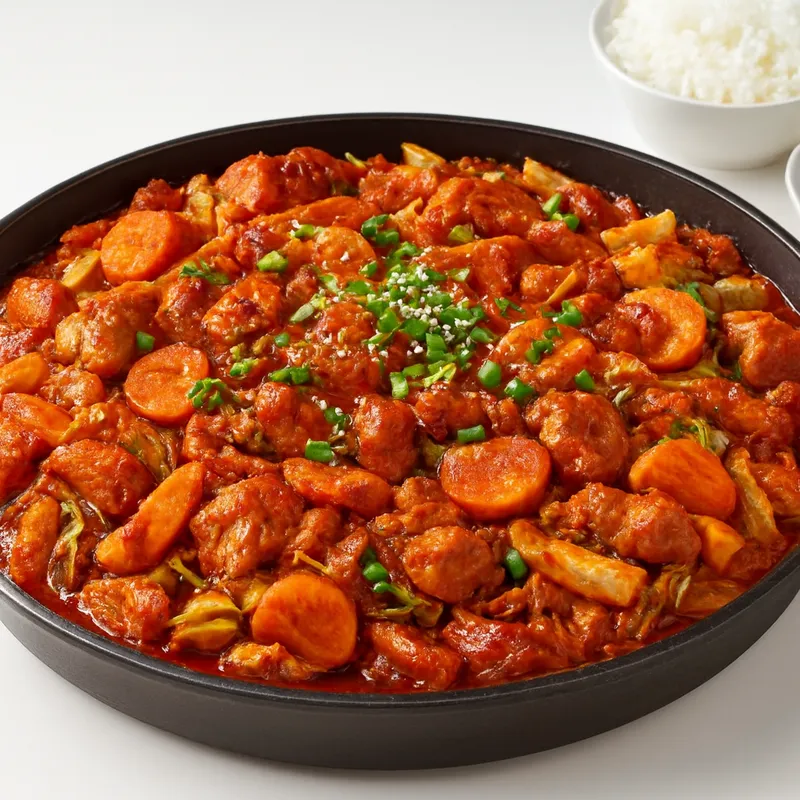
Dakgalbi: spicy chicken stir-fry.
Dakgalbi
Chuncheon-style spicy stir-fried chicken with gochujang, sweet potato, cabbage, and rice cakes on a hot plate
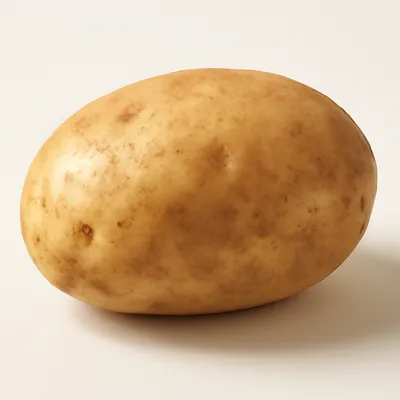
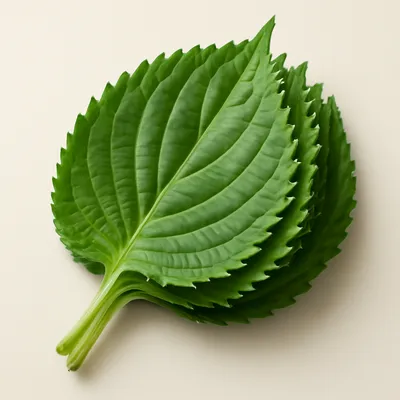
View page →Gangwon is Korea's northeastern mountain province — the most-rural Korean region, with the country's coldest winters and the highest elevation. Dakgalbi from Chuncheon is the signature: marinated chicken stir-fried with cabbage, sweet potato, perilla leaves, rice cakes, all in spicy gochujang sauce on a hot plate at the table. Memil makguksu is the buckwheat noodle dish (Gangwon grows the country's best buckwheat), eaten in chilled broth in summer. Gamja jeon — potato pancakes, crisp from the Gangwon potatoes — are the regional snack. Sundubu jjigae was popularized in Gangwon coastal towns. Sokcho on the east coast is famous for raw fish and sea urchin. The cuisine is mountain-rugged, buckwheat-and-potato heavy, and shows the rural Korean inheritance more clearly than Seoul cooking.
Dishes to explore
Dakgalbi
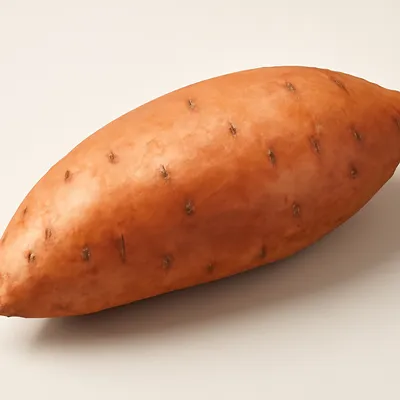
Marinated chicken stir-fried tableside with cabbage, sweet potato, perilla leaves, rice cakes, and onion in a thick gochujang-soy sauce. The Chuncheon specialty.
Dakgalbi is what you eat at Chuncheon's famous 'dakgalbi street' — the city is one neighborhood of dakgalbi restaurants. The communal table-side stir-fry is the experience.
Memil Makguksu
Cold buckwheat noodles in a chilled broth with shredded vegetables, beef, and a half-boiled egg. Mix vigorously with gochujang and sesame oil. The Gangwon summer dish.
Memil makguksu is the buckwheat-noodle answer to summer heat. Gangwon's buckwheat is the country's best; the cold broth-and-noodle method is centuries old.
The Pantry







See all 62 ingredients›














Grains & Staples






Dairy & Fats

Sauces & Condiments




Other

How They Cook
Methods linked to dishes in this catalog
Other regions
Siblings within Korean — each its own tradition.