Hwangtae is the prized form of dried Alaska pollack — distinct from softer bukeo (sun-dried) or harder hwangtaepo (lightly dried). It's made by repeatedly freezing pollack overnight and thawing it in daytime sun for roughly three months on outdoor wooden racks (deokjang) at 700-800m altitude. Inje County's Yongdae-ri village in northern Gangwon, and the Daegwallyeong/Hoenggye area of Pyeongchang, have the textbook climate: cold dry mountain air with daily freeze-thaw swings. The yellow color is fat-oxidation; the airy texture comes from ice-crystal cell rupture across dozens of freeze-thaw cycles over the winter (roughly 30-40).
Made by repeatedly freezing and sun-thawing pollack on outdoor wooden racks (deokjang) for roughly three months at 700-800m altitude. Inje's Yongdae-ri village near the DMZ has the textbook freeze-thaw climate. After ~80 cycles the flesh is so porous that brief grilling balloons it open — long heat would collapse the fibres, which is why hwangtae cooks fast (5 minutes total).
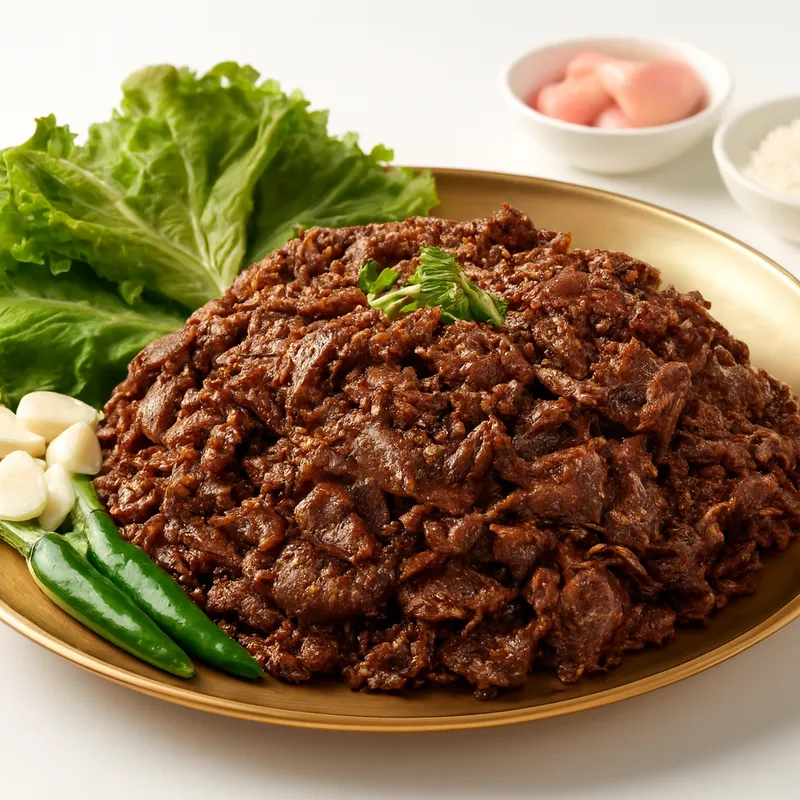
Tear into a piece and the flesh comes apart in soft fluffy threads — almost like cotton candy, totally unlike fresh pollack. The sweet-spicy glaze sits in the score-marks; underneath, the fish carries a deep umami concentrated by months of winter wind. Skin is crisp-papery, pulls clean. Pairs with hot rice and a sip of soju. If the fish stays chewy or leathery, it was over-rehydrated and lost the airy structure — eight minutes max in the soak.
The dish hinges on the freeze-thaw history of the fish — not cooking technique. Each freeze cycle forms ice crystals inside muscle cells; the next thaw collapses them, leaving micro-cavities. After dozens of cycles (roughly 30-40 over the winter) the flesh is so porous that brief grilling balloons it open. That's why hwangtae is grilled fast (5 minutes total) rather than long — long heat collapses the fibres. The brief water soak (8 min, not longer) lets you scissor and butterfly without rubberizing the flesh.
Variations
Yongdae-ri Inje is the prestige source; bukeo is the softer sun-dried cousin; hwangtaepo is lighter-dried; coastal Goseong does sea-side rack drying; Sokcho restaurants sell it grilled over briquettes; bone-in versions appear at temple kitchens.
On the Palate
Where Hwangtae Gui sits in the Korean flavor cloud
Ingredients
Serves 4





How it's made
5 steps · 25 min active + 15 min waiting
- 110 min
Take 2 whole hwangtae (yellow freeze-dried pollack, ~120g each). Trim fins with scissors, peel away the head and tail if attached. Soak in cold water 8 minutes — the fish should soften from board-stiff to flexible but not waterlogged.
Watch outSoak the board-stiff fish just 8 minutes, till it bends without snapping but isn't waterlogged — soak longer and the flesh turns rubbery on the grill.
- 25 min
Squeeze gently in a cloth. Open butterfly-style by running fingers along the backbone. Score the flesh side in a 2cm crosshatch — shallow cuts so the glaze grips.
- 310 min
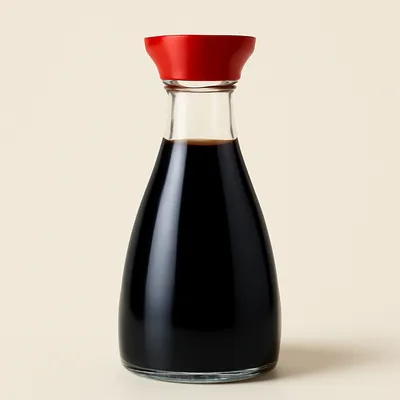
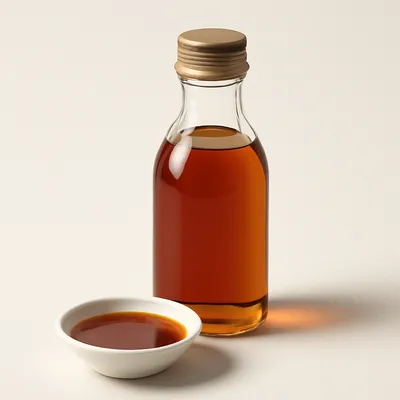
Make first coat (yangnyeom base): 2 tbsp toasted sesame oil, 1 tbsp soy sauce, 1 tsp minced garlic. Brush over flesh and skin sides. Rest 10 minutes — this oil layer keeps the fish from going leathery on the grill.
- 43 min
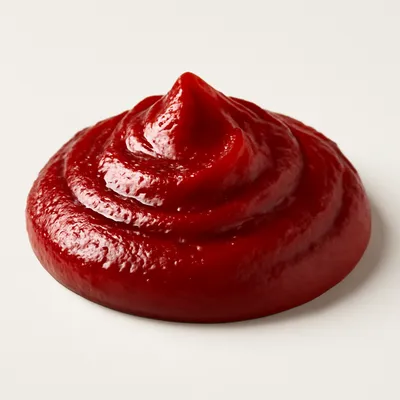
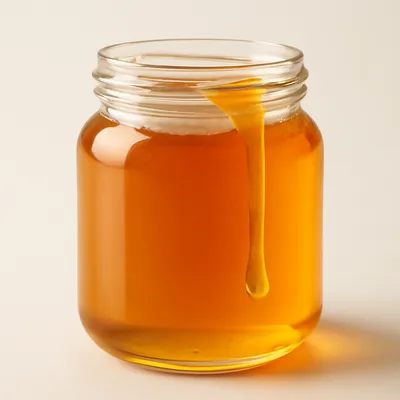
Make red glaze: 3 tbsp gochujang, 1 tbsp gochugaru, 2 tbsp honey or rice syrup (mulyeot), 1 tbsp soy sauce, 1 tbsp minced scallion, 1 tsp minced ginger, 1 tsp toasted sesame oil. Stir to a brushable paste.
- 55 min
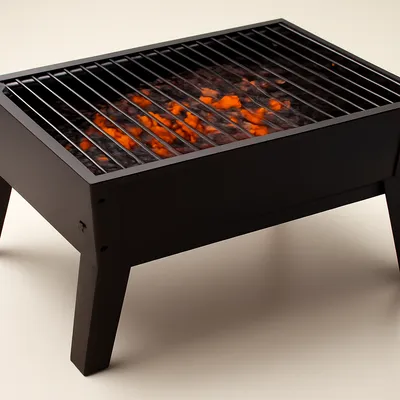
Grill skin-side down over charcoal or under a 220°C broiler for 90 seconds — skin should bubble and lift. Flip, brush flesh with red glaze, grill 2 minutes. Brush again, grill 1 minute more — glaze should char in spots, not blacken. Snip into 3cm pieces; sprinkle sesame seeds.
Watch outGrill skin-down first till it bubbles and lifts, then glaze and finish fast — the sweet paste should char in spots and stop there; a moment past that it blackens and turns bitter.
Archive tool suggestions — not reviewed
These legacy suggestions have not been evidence-reviewed and are not presented as required tools.