
Oksusu-beombeok is the corn porridge-cake of the Gangwon highlands, where corn, not rice, was the crop that grew on the steep slopes. Glutinous corn kernels are soaked and boiled long and slow until their starch leaches out and the pot thickens into a sticky, glossy mash, then sweetened beans — red beans or kidney beans — are folded in. The word beombeok means something all mixed and stirred together, and that is exactly the dish: thick, chewy, and humble. Eaten hot it is a warming winter porridge; chilled and topped with ice it becomes a summer treat almost like a corn bingsu.
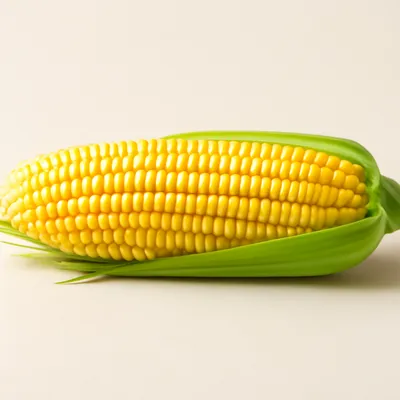
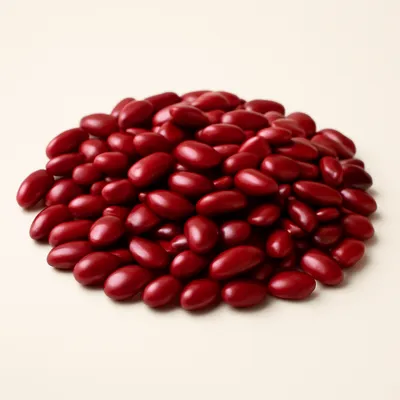
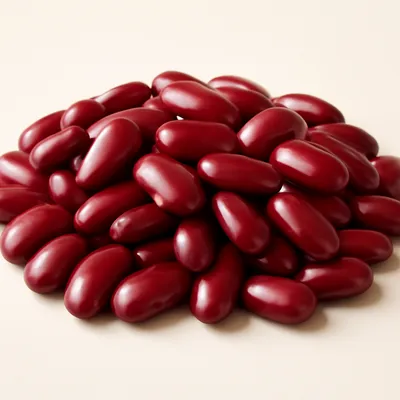


Corn suits Gangwon as rice never could — it tolerates the thin mountain soil and short growing season of the province's steep upland fields, and for generations it was a staple grain there rather than a summer snack. Beombeok dishes belong to the lean-season kitchen of such places: cheap, filling, starchy pots that stretched a humble harvest, made with whatever grain was on hand. Oksusu-beombeok is the corn version of that frugal tradition, an unfussy home food of the Gangwon highlands with no single origin, long cooked by farm households across the high country and now remembered as a taste of the mountains.
The body is thick and sticky, somewhere between a porridge and a soft dough — it pulls a little on the spoon and chews rather than slipping down. The corn gives it a clean, milky sweetness and a faint mealy graininess, while the folded-in beans break soft and earthy against it. There is no spice and no fuss, just the gentle natural sweetness of glutinous corn rounded out by the beans. Hot, it is comforting and creamy; cold with ice, it firms and refreshes, the corn flavor turning crisper and cleaner.
The thickening is pure starch chemistry. Long, slow boiling gelatinizes the corn's starch — the granules swell, burst, and release amylose and amylopectin into the water, which sets the pot into a sticky, cohesive mash as it cooks down. Glutinous (waxy) corn is preferred because its starch is almost all amylopectin, the molecule that gives that stretchy, chewy, glossy body rather than a loose porridge. Soaking the kernels first hydrates them so they soften and surrender their starch evenly. Served cold, the gelatinized starch firms further as it cools, tightening the mash into the denser, sliceable texture that takes well to ice.
Variations
The bean changes the character — red beans give a sweeter, dessert-like pot, kidney beans a milder, beanier one, and some cooks add both. Sweetening ranges from a pinch of salt alone to generous sugar, depending on whether it is meant as a meal or a treat. Made with corn flour or fresh young corn rather than dried kernels, it cooks faster and tastes greener. The same beombeok method runs across other grains and tubers — potato, pumpkin, barley — each a frugal mixed-up pot, and the chilled, iced version sits close to a homemade corn bingsu.
On the Palate
Where Oksusu Beombeok sits in the Korean flavor cloud
Ingredients
Serves 4How it's made
7 steps · 20 min active + 40 min waiting
- 110 min
Rinse the glutinous corn kernels and soak them in water for several hours until plumped.
- 220 min
Boil the red or kidney beans separately until soft, with a pinch of salt, then drain.
- 35 min
Put the soaked corn in a pot with plenty of water and bring to a boil, then lower to a steady simmer.
- 435 min
Cook the corn slowly, stirring now and then, until the kernels soften and the starch thickens the liquid into a sticky mash.
Watch outStir often as it thickens — the starchy mash catches and scorches on the bottom the moment you stop moving it.
- 53 min
Fold in the cooked beans and season with sugar and a little salt to taste.
- 65 min
Simmer a few minutes more, stirring constantly so it does not catch, until thick and glossy.
- 72 min
Serve hot as a warm porridge, or chill it and top with ice for a cold summer version.
Archive tool suggestions — not reviewed
These legacy suggestions have not been evidence-reviewed and are not presented as required tools.


