
Inje-style hangover soup of shredded hwangtae simmered in a beef-and-anchovy stock, finished with cubed silken tofu, beaten egg, scallion, and a touch of garlic — paler and lighter than Seoul's cabbage-based ugeoji haejangguk.
Hwangtae haejangguk is the Inje (northern Gangwon) version of haejangguk ("hangover soup"). Where Seoul's standard is ugeoji-haejangguk (outer cabbage leaves and doenjang) and the Cheonggyecheon-area version is seonjiguk (with congealed ox blood), Inje built its hangover ritual around the area's signature export — hwangtae from Yongdae-ri's freeze-thaw racks. Restaurant culture solidified in the 1970s when ski resorts opened around Inje and Yongpyeong, drawing Seoul drinkers up the mountain. The fish-broth lightness is the regional signature.
Inje's regional answer to Seoul's ugeoji-haejangguk and Cheonggyecheon's seonjiguk — built around the area's freeze-thaw-rack hwangtae. Restaurant culture took off in the 1970s when ski resorts opened around Inje and Yongpyeong. The toasting step in sesame oil sublimates volatile aldehydes from the fish skin; without it the soup smells flatly fishy.
A pale, milky broth — not red, not deeply colored — that smells of toasted dried fish and sesame. First sip: clean salt, beef-anchovy depth, no chili burn. The hwangtae shreds give the soup body without being chewy themselves; tofu cubes break up under the spoon; egg ribbons soften everything. Lighter than the Seoul cabbage-haejangguk and the bone-thick seonjiguk. Said to ease hangovers because the amino acids in dried pollack support liver enzyme processing — locals will simply say it makes the next morning bearable.
Two non-obvious points. First, the toasting step — sautéing the hwangtae shreds in sesame oil before liquid hits — sublimates volatile aldehydes from the fish skin and produces the soup's signature aroma; without it the soup smells flatly fishy. Second, the broth turns milky-white not from cream but from emulsified fish-fat plus collagen leaching from dried pollack into hot stock, kept in suspension by 12 minutes of agitation. The egg goes in last and off direct boil to keep it ribboned, not scrambled.
Variations
Inje hwangtae version (lightest, milky-pale); Seoul's ugeoji-haejangguk (cabbage and doenjang); Cheonggyecheon's seonjiguk (ox-blood); Jeonju kongnamul-gukbap (bean-sprout); Busan's pork-bone gamjatang gets called haejangguk in some neighborhoods.
On the Palate
Where Hwangtae Haejangguk sits in the Korean flavor cloud
Ingredients
Serves 4
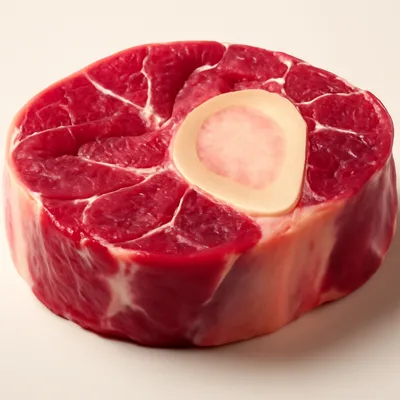
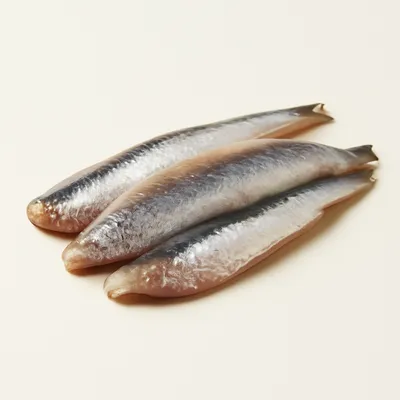





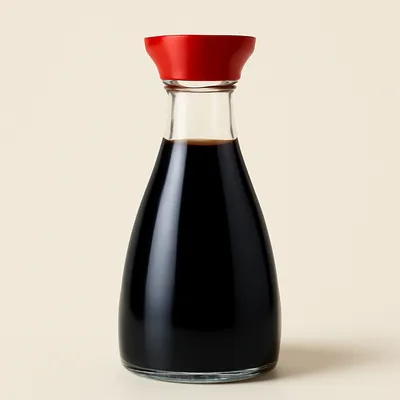


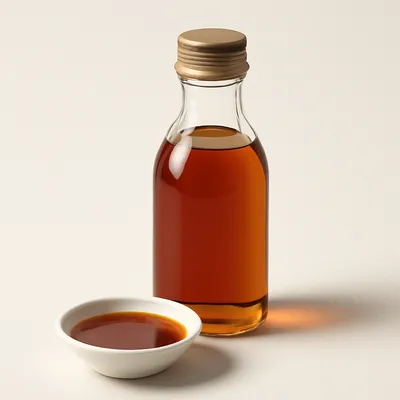
How it's made
5 steps · 20 min active + 15 min waiting
- 15 min
Take 60g shredded hwangtae (hwangtaechae). Soak briefly in cold water 3 minutes — just to soften, not rehydrate. Squeeze out, set aside.
- 23 min
In a pot, toast hwangtae shreds with 1 tbsp toasted sesame oil over medium heat 90 seconds — the dried fish smell intensifies and turns nutty. Add 1 tsp minced garlic, stir 20 seconds.
Watch outToast the pollack shreds in sesame oil until the dried-fish smell turns nutty and warm — skip this and the finished soup just smells flatly fishy.
- 315 min
Pour in 1.5L beef-anchovy stock (made from 200g beef bones + 8 dried anchovies + a 5cm dasima/kombu strip simmered 1 hour and strained). Bring to boil, drop to simmer 12 minutes — the broth turns milky as the fish releases.
Watch outSimmer until the broth clouds to milky-white — that's the fish fat and collagen emulsifying, not a sign of boiling too hard.
- 43 min
Add 200g silken tofu cut into 2cm cubes. Season with 1 tbsp soup soy sauce (guk-ganjang) and salt to taste — the fish is already salty, taste before adding.
- 54 min
Bring back to a strong simmer. Drizzle in 2 beaten eggs in a slow circle while gently stirring — egg ribbons should cloud, not clump. Off heat. Add 2 sliced scallions and a few drops of toasted sesame oil. Serve with rice and a small dish of saeujeot or kimchi.
Watch outDrizzle the egg in a slow circle off the hard boil so it clouds into soft ribbons — poured into a rolling pot it clumps and scrambles.
Archive tool suggestions — not reviewed
These legacy suggestions have not been evidence-reviewed and are not presented as required tools.


