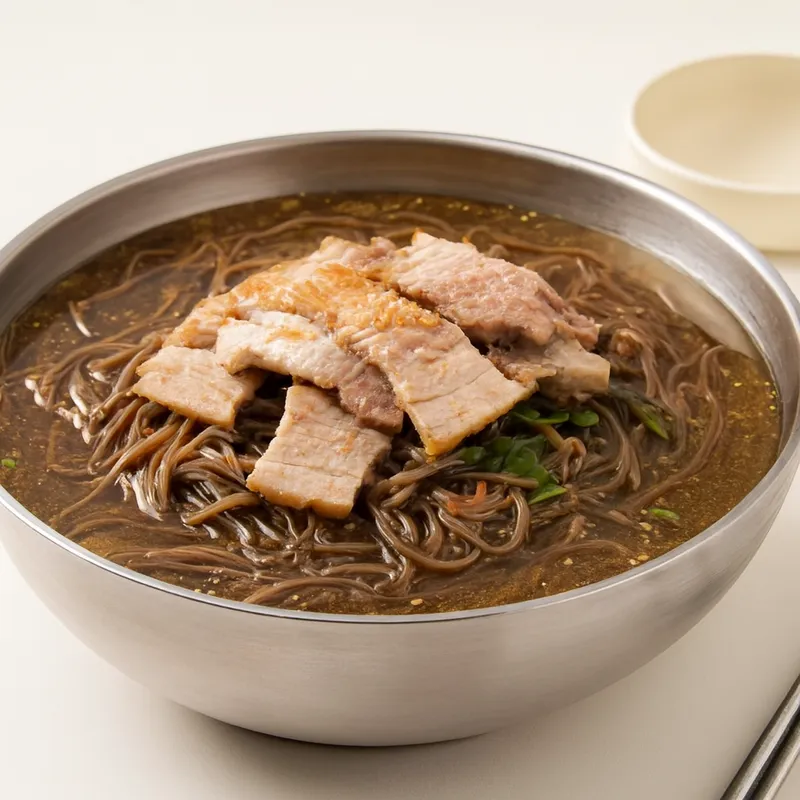
Makguksu originated in the buckwheat-growing highlands of Gangwon, where rice was scarce and the cool climate suited Fagopyrum esculentum. The name translates as "rough noodles" — mak (just-now / casually / coarse) + guksu (noodles) — distinguishing it from the courtly Pyongyang naengmyeon. Chuncheon and Bongpyeong (the latter being Lee Hyo-seok's literary territory in "When the Buckwheat Blooms") are the classical homes; Chuncheon's makguksu boom dates to the postwar era when displaced northern noodle-makers settled in the city.
Born in Gangwon's buckwheat highlands where rice was scarce and Fagopyrum esculentum suited the cool soil. Mak means rough or just-now — distinguishing it from courtly Pyongyang naengmyeon. Chuncheon's makguksu boom dates to postwar displacement of northern noodle-makers. Buckwheat has no gluten, so hot-water knead does the structural work; cold-water dough disintegrates in the pot.
Coarser and darker than Pyongyang naengmyeon — the buckwheat speaks louder, with a faintly nutty, almost grassy note and a noodle that breaks cleanly under teeth rather than springing. Bibim version: aggressive vinegar-chili heat, pickle-crunch, egg-rich finish; you slurp it up before the ice melts. Mul version: spine-cold, the radish water sweet-saline, cucumber clean. "Mak" means rough — the makguksu that's silky-elegant has missed the point.
Buckwheat has no gluten, so the dough's structure depends on starch gelatinization from the hot-water knead — cold-water knead gives a noodle that disintegrates in the pot. The post-boil ice rinse with hand-rubbing strips surface starch that would otherwise gum the noodle and dull the sauce; skip it and the bibim version turns pasty. The mul broth's dongchimi component must be naturally fermented — its lactic-acid tang is the dish's spine, not added vinegar.
Variations
Bibim-makguksu (vinegar-chili tossed) and mul-makguksu (cold dongchimi broth) are the two formats; Chuncheon Yuksimni is the canonical restaurant strip; Bongpyeong (Lee Hyo-seok's territory) runs higher buckwheat ratios; Goseong pickle-broth versions are saltier.
On the Palate
Where Memil Makguksu sits in the Korean flavor cloud
Knead the gluten-free buckwheat dough with hot water, not cold — the heat gelatinizes the starch that gives the noodle its only structure; a cold-water knead makes noodles that disintegrate in the pot.
Ingredients
Serves 4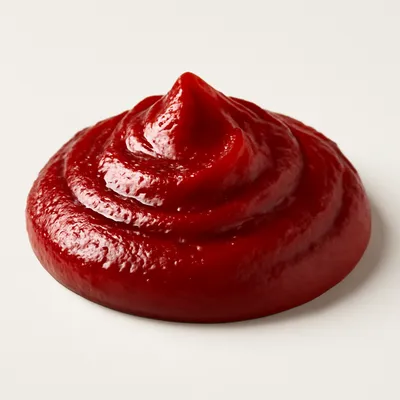










How it's made
5 steps · 25 min active + 5 min waiting
- 110 min
Mix 300g buckwheat flour (memil garu, 80% buckwheat) with 100g wheat flour, pinch salt, 180ml hot water. Knead 8 minutes until elastic — buckwheat noodles need extra working since they have no gluten.
Watch outKnead until the dough springs back and no longer sticks to your hand — that's the gelatinized starch setting up.
- 25 min
For the bibim sauce: stir 4 tbsp gochujang, 2 tbsp gochugaru, 3 tbsp rice vinegar, 2 tbsp sugar, 1 tbsp soy sauce, 2 tsp minced garlic, 1 tsp toasted sesame oil. Rest 30 minutes for flavors to fuse.
- 33 min
Press dough through a noodle press (guksu teul) directly into a pot of rolling water. Boil 90 seconds — buckwheat overcooks fast, the noodle should still have a firm centre. Drain.
Watch outPress straight into rolling water and count 90 seconds; the noodle should keep a firm core.
- 43 min
Plunge noodles into iced water and rub between palms to strip surface starch — this is what gives makguksu its clean, slippery bite. Drain hard, twist into 4 nests.
Watch outRub hard in iced water until the noodles feel clean and slippery, then drain them bone-dry.
- 54 min
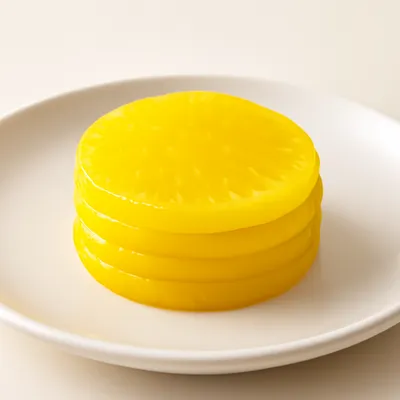
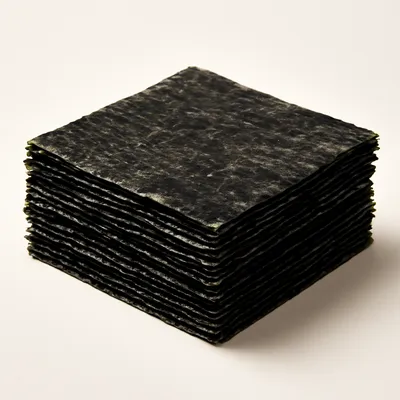
For bibim: top each nest with sauce, julienned cucumber, pickled mu radish, half a boiled egg, roasted gim flakes, sesame seeds. Toss at table. For mul: place nest in bowl, ladle over chilled dongchimi broth (1:1 dongchimi liquid to cold beef stock, salt-adjusted), garnish.
Archive tool suggestions — not reviewed
These legacy suggestions have not been evidence-reviewed and are not presented as required tools.