Yugwa is the great festival confection of Korea: a dough of fermented glutinous rice is steamed, pounded smooth, rolled and dried into hard chips, then deep-fried so that each chip puffs up into a light, hollow, lattice-walled puff many times its size. While still warm the puffs are coated in rice syrup and rolled in puffed grain, broken rice crisps, or sesame, which clings to the sticky surface. The flat squarish kind is called sanja and the cylindrical kind gangjeong. Light as air and shatteringly crisp, yugwa is a centerpiece of New Year and holiday tables and a required offering at ancestral rites.


Yugwa belongs to the broad family of oil-and-honey confections that the Korean court could never quite leave alone. So lavish were they in grain, oil, and honey that the Goryeo dynasty issued outright bans: the History of Goryeo records that in 1192, under King Myeongjong, the throne forbade these confections and ordered real tree-fruit used in their place, and the prohibition was repeated in 1353 under King Gongmin, the stated reason being that the waste of grain, oil, and honey was driving up prices and burdening the people. Yet the confection endured. By the Joseon dynasty it had become so bound to celebration that the legal code restricted such sweets to weddings, sixtieth-birthday feasts, and ancestral rites — and despite a royal attempt in 1751 to strike it from rite tables, yugwa held its place as the festival hangwa above all others.
Yugwa shatters at the first bite into a thousand light flakes — the wall of the puff is thin and crisp, the inside almost entirely air, so it seems to dissolve rather than chew. The rice-syrup coat gives a clean, restrained sweetness, and the puffed-grain or sesame crust adds a toasty crackle. There is a faint sourness left from the fermented rice and a clean grain fragrance underneath the sweet. It is weightless in the hand and in the mouth, far lighter than any fried sweet has a right to be — the whole pleasure is in that brittle, melting collapse.
The magic of yugwa is the puff, and it begins with fermentation. Glutinous rice is soaked for many days until it sours and softens; this breaks down the grain and changes the starch so that the dough, once steamed and pounded, traps a fine, even structure. The pounded dough is rolled thin and dried hard into chips called the batang, which lock moisture inside their dense starch. In frying, two oil temperatures are used: the chip is first eased into cooler oil so it slowly relaxes and begins to expand, then moved to hot oil where the trapped moisture flashes to steam and blows the softened starch out into a hollow, lattice-walled puff that sets crisp. Coating the hot puff in rice syrup glues on the outer crust of puffed grain or sesame; the syrup's stickiness, not honey, does the binding. Skip the fermentation or the slow-then-hot frying and the chip will not puff — it will only harden.
Variations
Yugwa is sorted mostly by shape. The flat, squarish pieces are sanja; slim cylinders cut and fried are gangjeong, including the silkworm-cocoon finger gangjeong and the round bead gangjeong; there are also the diced bingsagwa and the delicate yeonsagwa. The outer coating varies the look and flavor most: snowy puffed rice, golden broken-rice crisps, black or white sesame, crushed pine nuts, or, in modern shops, dried-fruit and grain bits. Some are tinted with natural colors for festive sets. The dough and method stay the same; it is the cut and the crust that make each one its own.
On the Palate
Where Yugwa sits in the Korean flavor cloud
Ingredients
Serves 8How it's made
6 steps · 1 hour 30 min active + 8 hours 30 min waiting
- 1480 min
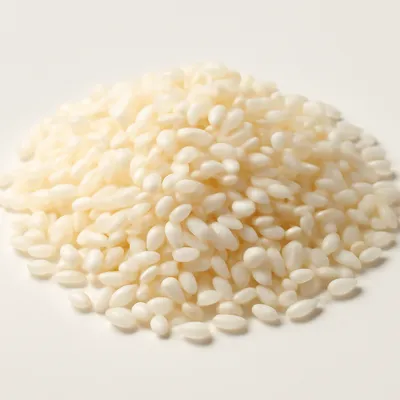
Soak glutinous rice in water for about a week to ten days, changing nothing, until it ferments, sours, and crumbles easily between the fingers; rinse it well and grind it to a flour.
Watch outSoak the rice until it sours and crumbles between your fingers — that week-long ferment is what lets the dough puff later; skip it and it won't blow up hollow.
- 220 min
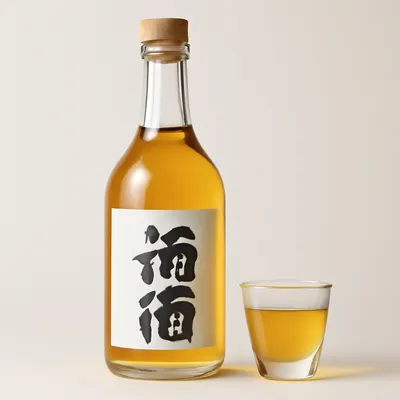
Mix the rice flour with a little rice wine and bean liquid into a soft dough, then steam it until cooked through and glossy.
- 315 min
Pound the steamed dough hard and long with a mallet until it is smooth, stretchy, and full of fine bubbles.
- 4360 min
Roll the pounded dough out thin, cut it into squares or strips, and dry the pieces slowly until they are completely hard — these dried chips are the batang.
- 512 min
Heat two pots of oil, one warm and one hot; slip the chips first into the warm oil until they soften and begin to swell, then move them to the hot oil where they puff up large and hollow, and drain them well.
Watch outEase the chips into warm oil first to soften and start swelling, then move to hot oil to blow them up hollow — straight into hot oil and the surface seizes before it can puff.
- 68 min
Warm rice syrup until pourable, coat each puff while still hot, then immediately roll it in puffed rice, broken-rice crisps, or sesame so the crust sticks all over, and let set before serving.
Archive tool suggestions — not reviewed
These legacy suggestions have not been evidence-reviewed and are not presented as required tools.