
Mulhoe is the fishermen's dish of Pohang: raw fish and crisp vegetables dressed in a fiery gochujang sauce, then loosened with ice-cold water into a chilled, spicy, sweet-sour soup you drink as much as eat. It began as shipboard fast food, sliced and bolted down between hauls, and the Pohang style leans on gochujang rather than the vinegared chili paste of other coasts. Add rice or cold noodles to turn it into a full summer meal. Bracing, refreshing, and built for heat, it is one of the East Sea's defining hot-weather dishes.


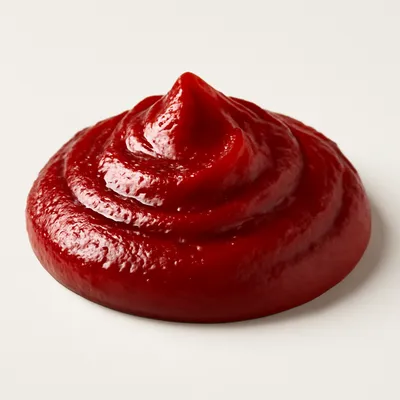


Pohang mulhoe grew out of the working life of East Sea fishermen in the 1960s and 70s, who sliced freshly caught fish on deck and tossed it into a big bowl with gochujang and vinegar for a quick, restorative meal between hauls; it was literally called the fishermen's fast food. The traditional Pohang version was not served swimming in broth at all, but as a thick gochujang dressing over fish, rice, and vegetables, with water, ice, or noodles added only to taste; the icy soup so familiar in restaurants today is a later refinement of that idea. What stayed constant is the local preference for gochujang as the dominant seasoning, which sets Pohang's style apart from the lighter vinegar-chili mulhoe of other regions.
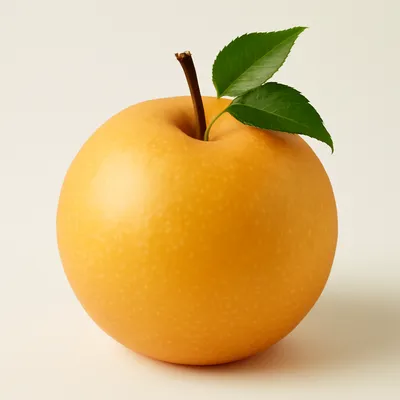
Cold and electric: firm slices of raw fish, the snap of cucumber and Korean pear, all coated in a sauce that is sweet, sour, garlicky, and seriously hot. The icy liquid shocks the palate awake; with rice stirred in it turns hearty, the chill and the chili playing off each other with every spoonful.
The dish works on contrast and chill. Serving everything ice-cold firms the raw fish and makes the vegetables snap, while the cold dulls any fishiness and makes the gochujang's sweetness and the vinegar's acidity taste cleaner and sharper. The acid in the vinegar lightly firms the surface of the fish, and the capsaicin in gochugaru and gochujang triggers a warming heat that the cold liquid keeps in balance, so the whole bowl reads as simultaneously cooling and fiery, which is exactly why it suits brutal summer heat.
Variations
Fish choice shifts with the catch: flatfish, rockfish, sea squirt, and on Jeju the small jari are all used. Some bowls stay close to the old thick-dressing style with little liquid; others are full icy soups. Diners finish it their own way, stirring in rice for a meal or adding cold somyeon noodles, and a squeeze more vinegar or sugar lets each person balance the sweet-sour heat.
On the Palate
Where Pohang Mulhoe sits in the Korean flavor cloud
Ingredients
Serves 2
How it's made
6 steps · 25 min
- 110 min
Slice very fresh raw fish into thin bite-sized pieces and chill thoroughly.
Watch outChill the raw fish thoroughly — the cold firms the flesh and dulls any fishiness; a warm bowl reads soft and off.
- 26 min
Julienne cucumber, Korean pear, and other crisp vegetables and keep cold.
- 34 min
Make the dressing by mixing gochujang, gochugaru, vinegar, sugar, garlic, and a little sesame oil.
- 42 min
Toss the chilled fish and vegetables with the gochujang dressing in a large bowl.
- 52 min
Pour in ice-cold water (and ice) to loosen it into a chilled soup, adjusting vinegar and sugar to taste.
Watch outPour in genuinely ice-cold water and ice to loosen it into a chilled soup — the whole dish lives on being fiery yet cooling, so it must stay cold.
- 61 min
Serve at once, with rice or cold noodles added as desired.
Archive tool suggestions — not reviewed
These legacy suggestions have not been evidence-reviewed and are not presented as required tools.


