
Hwachae is the umbrella name for Korea's traditional cold punches, a whole family of chilled drinks rather than a single recipe. Seasonal fruit such as watermelon, Korean melon, pear, strawberry, or pomegranate is cut up and floated in a lightly sweetened liquid, most often honey-water or sugar-water, sometimes a tart magnolia-berry infusion or a fresh fruit juice. It is served very cold, with pine nuts scattered on top, as a refreshing summer dessert-drink that sits halfway between a beverage and a bowl of fruit. Before refrigeration it was Korea's great way to beat the heat, and households still ladle it from a big bowl to share.

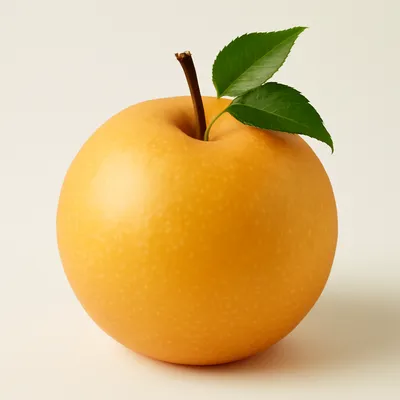
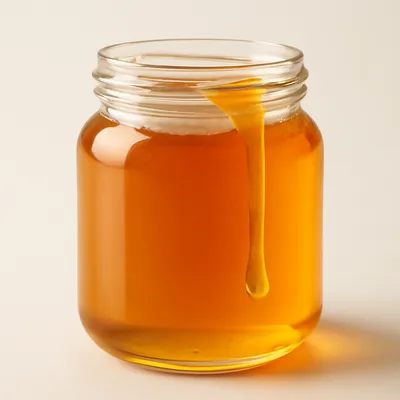

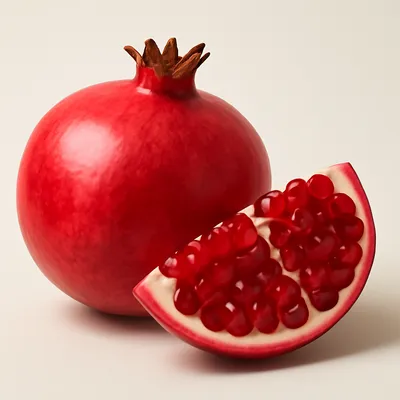

Hwachae belongs to eumcheongryu, the broad class of traditional Korean cold beverages, and is recorded in Joseon-era court and household writings, where flower petals or fruit were steeped in honeyed water. Different versions attached themselves to the seasons and to seasonal festivals: jindallae-hwachae, made with azalea petals, is tied to Samjinnal, the third day of the third lunar month, when women would go to the streams in spring and gather petals to make hwajeon and hwachae. Other versions, such as cherry hwachae at Dano, followed the calendar through the year. As a class it has long been both an everyday summer cooler and a refined dish set out for guests.
The first sip is clean and gently sweet, the honey or sugar kept light so the fruit leads. Cold liquid carries the perfume of ripe watermelon or pear, with a soft tartness if a magnolia-berry base is used, its colour a pale rosy pink. The fruit pieces are chilled and yielding, the pine nuts add a faint buttery richness, and the whole thing is bright, watery, and thirst-quenching rather than heavy or syrupy.
Hwachae works by infusion and dilution rather than cooking. Sweetness is dissolved into cold water as honey-water or sugar-water, or a tart base is drawn from magnolia berries by steeping them in cold water so their colour and sourness leach out without heat that would turn them bitter. Cut fruit is chilled hard and added at the last moment so it stays firm and the juices stay fresh; serving it ice-cold blunts the perception of sugar and makes the drink taste cleaner and more refreshing. Pine nuts float because of their oil and act as a traditional garnish.
Variations
The family is huge. Subak-hwachae uses scooped watermelon in honeyed watermelon juice; bae-hwachae floats slivers of crisp pear; omija-hwachae uses a rosy magnolia-berry infusion; milgam-hwachae from Jeju uses citrus. Flower versions include jindallae (azalea), rose, and pine-pollen hwachae. Modern home versions often add chilled milk or a splash of clear soda for fizz, along with whatever summer fruit is ripe.
On the Palate
Where Hwachae sits in the Korean flavor cloud
Ingredients
Serves 6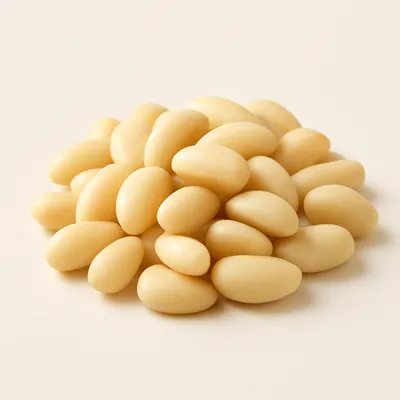
How it's made
5 steps · 25 min
- 1120 min
Dissolve honey or sugar into cold water to make a light sweet base; for an omija base, steep magnolia berries in cold water for several hours, then strain.
Watch outIf steeping magnolia berries for the omija base, use only cold water; heat draws out bitterness instead of the clean color and tartness you want.
- 215 min
Cut seasonal fruit such as watermelon, pear, and strawberry into bite-size pieces or scoop into balls.
- 360 min
Chill both the sweet liquid and the cut fruit thoroughly in the refrigerator.
Watch outChill both the liquid and the cut fruit hard before combining; ice-cold is what blunts the sugar and makes the drink taste clean and refreshing rather than cloying.
- 45 min
Just before serving, combine the fruit with the cold liquid in a large bowl and adjust the sweetness.
- 53 min
Add ice, scatter pine nuts and a few pomegranate seeds on top, and serve cold.
Archive tool suggestions — not reviewed
These legacy suggestions have not been evidence-reviewed and are not presented as required tools.


