
Korean-style mixed batter-fritters — sweet potato slices, kelp ribbons, peppers, glass-noodle bundles, vegetables — sold by the piece at street tents and dipped in tteokbokki sauce.
Twigim is the Korean street-cart take on deep-frying that crystallised in 1950s-60s Seoul alongside tteokbokki and gimmari, in the same Sindang-dong neighbourhood that birthed modern bunsik. Korea's deep-frying tradition is older — Joseon-era hwajeon and bukkumi were pan-fried — but battered fritters in this format are postwar, partly inspired by Japanese tempura but distinguished by heavier batter, cheaper vegetables, and the per-piece cart format. Sweet potato (goguma-twigim) is the canonical sell because it was cheap and sweet, two virtues for street food.
Crystallized in 1950s-60s Seoul Sindang-dong alongside tteokbokki and gimmari. Korean batter is heavier than tempura — more egg, no rest — so the shell survives 30 minutes in a tray; tempura is built for 90 seconds. Sweet potato fries at 170°C, lower than tempura's 180-190°C, so the dense root cooks through.
Pick at random from the tray. Sweet potato is the iconic one: a half-disc, batter shattering at the rim, the inside cooked to silky orange custard — sweet, hot, almost dessert. Pepper twigim is sharper, the seeds inside still crisp; perilla leaf is a thin green wafer with a herbal smack on the back end. Glass-noodle bundle is the surprise — a crisp lattice cage around a soft chewy core. Dip in tteokbokki sauce, or drop directly in for the soft-and-soggy school of eating. Heavier batter than tempura — that's the point.
The mechanism diverges from tempura on purpose. Korean twigim batter is heavier (more egg, more wheat ratio relative to starch, no rest) so it browns to a thicker shell that survives sitting in a tray for 30 minutes — tempura is meant to be eaten within 90 seconds, twigim is built for cart life. Sweet potato is fried at a lower 170°C (vs tempura's 180-190°C) so the dense root cooks through without scorching the batter; the same rule applies to kelp and noodle bundles, which need extra dwell time in the oil.
Variations
Goguma-twigim (sweet potato) is the canonical sell; gochu-twigim is stuffed pepper; kkaennip-twigim wraps perilla; ojingeo-twigim is squid-ring; dangmyeon-twigim is a glass-noodle bundle; gim-mari counts as the seaweed-and-noodle cousin.
On the Palate
Where Twigim sits in the Korean flavor cloud
Ingredients
Serves 4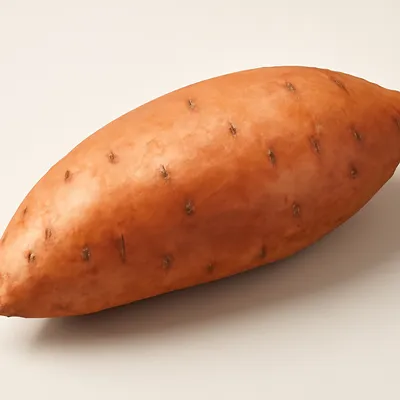


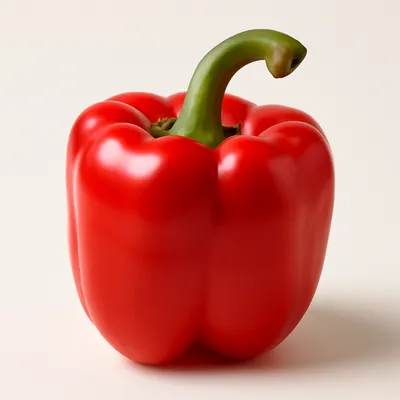





How it's made
5 steps · 25 min active + 5 min waiting
- 18 min
Prep: 1 large sweet potato sliced 5mm thick on the diagonal; 4 long green peppers slit lengthways; 8 perilla leaves; 4 strips of dasima kelp (rinsed of brine, patted dry); 2 small bundles of seasoned glass noodles tied with bamboo skewer. Salt the sweet potato lightly, rest 5 minutes, blot.
- 23 min
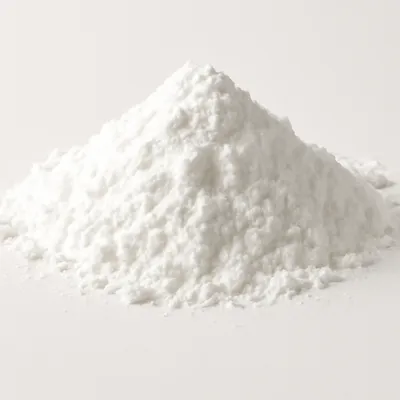
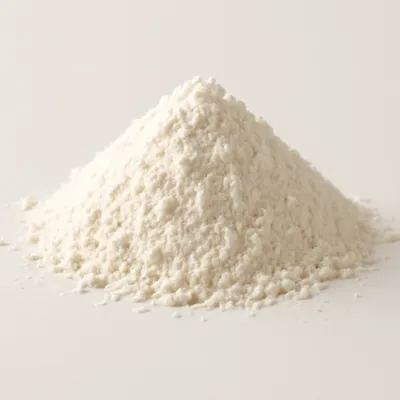
Whisk batter: 150g cake flour + 30g potato starch + 1/2 tsp salt + 1 egg yolk + 250ml ice-cold sparkling water. Stir minimally — visible streaks of flour are correct. Keep bowl over ice.
Watch outStir the batter only a few strokes — dry flour streaks should still show; a smooth batter turns leaden and won't crisp.
- 35 min
Heat 1L neutral oil to 170°C in a wide shallow pan or proper tray fryer. Test with a drop of batter — should sink halfway and rise immediately.
Watch outHold the oil at 170 degrees — drop in a bead of batter and it should sink halfway then bob straight back up; too hot scorches the shell before the sweet potato cooks.
- 412 min
Dip each piece in batter, shake off excess, lay into oil. Cook in batches of 4-5 to keep oil temp steady. Sweet potato 3 minutes per side; peppers and perilla 90 seconds; kelp 2 minutes; noodle bundles 2 minutes (the noodles are already cooked, you're crisping the skirt).
Watch outFry only 4-5 pieces at a time so the oil doesn't crash — a dropped temperature makes the batter drink oil and go greasy instead of crisp.
- 52 min
Drain on rack briefly. Pile in a tray fryer or paper-lined basket; sell by piece. Eat with a paper cup of tteokbokki sauce on the side, or drop straight into a bowl of tteokbokki to soak.
Archive tool suggestions — not reviewed
These legacy suggestions have not been evidence-reviewed and are not presented as required tools.


