Dasik is the most refined of Korean confections: fine powders of roasted grain, sesame, beans, chestnut, or pine pollen kneaded with honey and pressed in carved wooden molds into small, firm discs the size of a coin. Each disc carries a raised pattern stamped by the mold — auspicious characters for long life and good fortune, or flowers and birds. The colors are kept natural and quiet: the yellow-green of pine pollen, the black of sesame, the pale gold of soybean. Eaten with tea and set out at ancestral rites, weddings, and sixtieth-birthday feasts, it was long a confection of the scholar-gentry and the royal table.



Dasik grew out of the tea culture that flourished in Silla and Goryeo Korea. The name itself, written with the character for tea, points to its origin: in Song-dynasty China, powdered tea was kneaded and pressed into patterned cakes for ritual offerings and the tea table, and this practice is thought to have crossed into Korea, where over time the costly tea powder was replaced by cheaper grain and seed powders bound with honey. By the Joseon dynasty dasik had become an indispensable rite-and-banquet food: the legal code Daejeon Hoetong restricted such pressed confections to the occasions of weddings, sixtieth-birthday feasts, and ancestral rites, and for the solemn rites the muted colors of black-sesame, pine-pollen, and rice dasik were favored over showy ones.
A piece of dasik is dense and dry yet crumbles cleanly the moment you bite, dissolving into a fine powder on the tongue. The sweetness is gentle and clean, more the perfume of honey than sugar. Each kind carries its own flavor underneath: pine-pollen dasik is faintly resinous and floral, black-sesame dasik deeply nutty and almost bitter at the edge, soybean and chestnut dasik soft and mellow. It is not a confection to gulp; it is meant to be taken in small bites between sips of tea, melting slowly.
Dasik depends on dry powder and honey alone — there is no flour structure, no baking, no frying. The grains and seeds are first roasted, which deepens their flavor by the Maillard reaction and, for sesame, releases the oils that bind the powder. Honey works as both sweetener and glue: its sugars and moisture coat each particle so the powder can be compacted into a solid that holds its shape without crumbling apart. Pressing the dough hard into the carved mold forces it into every recess, taking a sharp impression of the auspicious characters and patterns. Because nothing is cooked after shaping, the natural color and fresh aroma of the raw ingredient survive intact, which is exactly the point — dasik is prized for tasting purely of what it is made from.
Variations
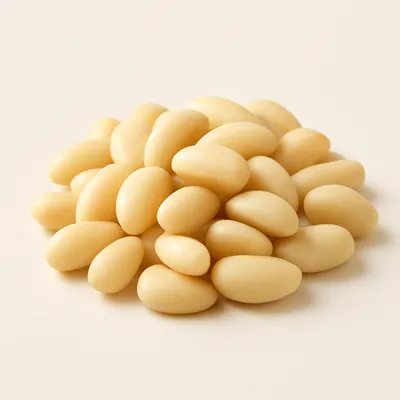
Dasik takes its name and character from whatever powder it is made of. Pine-pollen dasik, yellow-green and faintly floral, is the most aristocratic; black-sesame dasik is glossy black and richly nutty; there are also soybean, mung-bean-starch, chestnut, and plain rice versions, and a red one tinted with omija berry. Mixing colors lets a single plate be arranged into a quiet rainbow. For ancestral rites the muted shades are chosen, while bright multicolor sets appear at weddings and birthday feasts. The molds vary too, carving each disc with different characters, flowers, fish, or birds.
On the Palate
Where Dasik sits in the Korean flavor cloud
Ingredients
Serves 6How it's made
6 steps · 40 min active + 10 min waiting
- 112 min
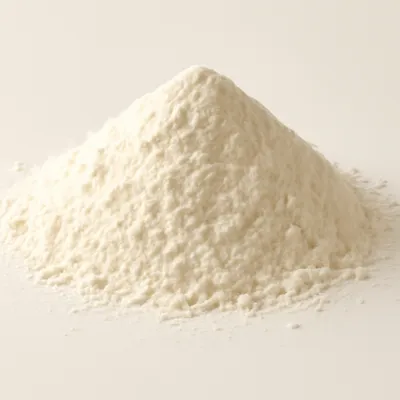
Roast your chosen base — sesame seeds, soybean flour, or rice flour — over low heat until fragrant, then grind it to a very fine powder; for black-sesame dasik, grind the toasted seeds until they turn oily and paste-like.
- 24 min
Sift the powder to remove any coarse bits so the finished disc will be smooth.
- 38 min
Add honey a little at a time, working it in until the powder comes together into a stiff dough that just holds when pressed in the hand.
Watch outAdd honey a little at a time until the powder just holds when pressed — too dry it crumbles in the mold, too wet it sticks and won't release.
- 44 min
Adjust the texture: too dry and it will crumble in the mold, too wet and it will stick, so add a touch more powder or honey until it is right.
- 58 min
Dust the carved wooden mold lightly, press a small lump of dough firmly into each cavity so it takes the full pattern, then level the back.
Watch outPress each lump firmly into every recess of the carved mold so it takes a sharp, clean impression of the pattern.
- 66 min
Tap or push the discs out of the mold, taking care not to smudge the raised design, and let them firm up briefly before arranging on a plate to serve with tea.
Archive tool suggestions — not reviewed
These legacy suggestions have not been evidence-reviewed and are not presented as required tools.