
Fish-cake skewers simmered in anchovy-radish-kelp broth at street carts; the broth is ladled free into paper cups while customers eat the skewers standing.
Eomuk itself entered Korea via the Japanese kamaboko/oden tradition during the colonial period — the Korean word 'odeng' is a direct loan from Japanese — and Busan became the centre of fish-cake manufacture (Samjin Eomuk, founded 1953, is the oldest still-operating producer). The street-cart eomuk-tang format is a Seoul postwar adaptation: the broth, originally a byproduct of warming the cakes, was given away free with skewers and became a winter institution. The Korean-coined term 'eomuk' (fish + cake) has officially replaced 'odeng' in print since the 1980s.
Eomuk arrived via Japanese kamaboko/oden during colonial rule — the older Korean word odeng is a direct loan. Busan's Samjin Eomuk, founded 1953, is the oldest still-operating fish-cake maker. Kelp out at 10 minutes (above 70°C kombu turns slimy), broth simmered not boiled, or you blow off the anchovy.
You stand at the cart in winter with the steam rising into your face. The skewer is held by the bottom; first bite is the chewy, slightly bouncy fish-cake folds soaked through with broth — savoury, faintly sweet. You then lift the paper cup and drink the broth itself, which is the real prize: clear, anchovy-deep, radish-sweet, with a soy edge. A bad cart broth tastes only of soy and MSG; a good one has the radish sweetness up front and the anchovy in the back.
The broth must be simmered, never boiled — boiling drives off the volatile anchovy-marine notes and turns the radish bitter. Kelp is pulled at 10 minutes for the same reason most Japanese kombu dashi is: glutamic acid releases below 70°C and the algal slime above. The fish-cake is threaded in folds rather than flat so it presents more surface area; over a four-minute soak it can absorb 30-40% of its weight in broth, which is why the second bite tastes more like soup than fish.
Variations
Busan-style runs heavier on the radish; Seoul carts add a soy-vinegar dipping sauce; Incheon versions use Yellow Sea anchovy for a sharper broth; chain shops like Samjin and Goraebul standardize the fish-cake itself.
On the Palate
Where Eomuk Tang sits in the Korean flavor cloud
Ingredients
Serves 4







How it's made
5 steps · 15 min active + 20 min waiting
- 15 min
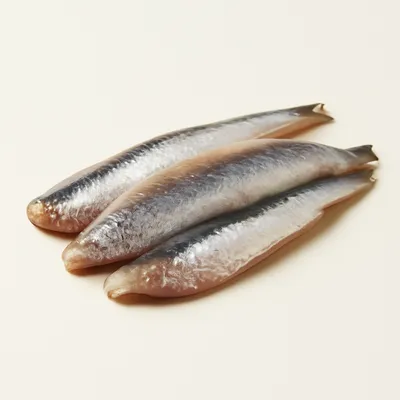
Build the broth: 2L water, 30g dried anchovies (gut and heads removed), one 5cm square of dasima (kelp), 200g daikon radish in 2cm slabs, 4 spring onion roots, 1/2 onion. Bring to a gentle simmer.
Watch outHold it at a gentle simmer — the surface just trembling, not bubbling; a hard boil blows off the anchovy sea-note and turns the radish bitter.
- 220 min
Simmer 20 minutes, removing kelp at the 10-minute mark — past that it turns slimy. Strain. Season with 1 tbsp soup soy sauce (guk-ganjang), 1 tsp salt; should taste like salted dashi, not heavily seasoned.
Watch outFish the kelp out at ten minutes on the dot — leave it longer and it goes slimy and slicks the whole broth.
- 35 min
Thread 6 sheets of flat fish cake (eomuk, ~150g total) onto bamboo skewers in zigzag accordion folds — 1 sheet per skewer, ends pinned through.
- 45 min
Lower skewers into the simmering broth. Cook 4-5 minutes until heated through and the cakes have absorbed broth — they swell visibly.
Watch outCakes are ready when they visibly puff and swell — that's them drinking in the broth, so the second bite tastes of soup.
- 52 min
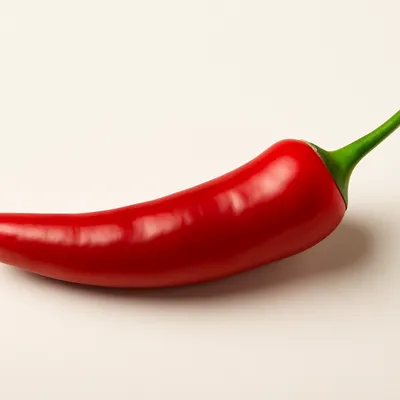
Serve from the pot: hand the customer a skewer, ladle a paper cup of hot broth on the side. Optional dip: soy sauce thinned with broth, gochugaru, sliced cheongyang chili, chopped spring onion.
Archive tool suggestions — not reviewed
These legacy suggestions have not been evidence-reviewed and are not presented as required tools.


