
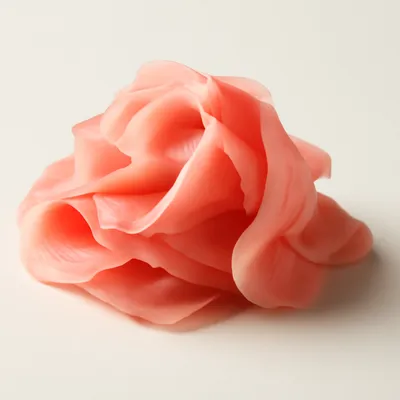
Lemon duck is a signature dish of Wuming, a Zhuang-majority district of Nanning in Guangxi, also known as Gaofeng lemon duck after the Gaofeng (High Peak) area where it took shape. A whole local duck is chopped on the bone and stir-braised in a wok with a battery of homemade sour pickles drawn from Nanning's suan ye (酸嘢) pickling culture: aged salted or sour lemon, pickled scallion bulbs (jiaotou), pickled ginger, pickled chili, and the fragrant shan huangpi (mountain wampee), often pickled. The duck is first stir-fried until its fat renders and the skin browns, then the shredded pickles and aromatics go in and the whole is braised until cooked through; the salted lemon is added near the end, deseeded, so it does not turn bitter. The result is sour, savory, and hot (酸、香、辣) all at once, the pickles cutting the duck's richness. It is served hot as a main over rice.




Lemon duck comes from Wuming (formerly Wuyuan county), a Zhuang district of Nanning, and is closely tied to the Gaofeng area along the Yong-Wu Road south of the city. Its exact inventor and date are unrecorded. It is commonly traced to Lu Rongting (1858–1928), the Old Guangxi Clique military governor who was a Wuming native and who in the early Republic opened Guangxi's first motor road, the Yong-Wu Road, cutting through the Gaofeng hills around 1914; villagers near the Jiepai (boundary-marker) ponds are said to have welcomed him by killing local ducks and cooking them with their own pickled lemon, chili, garlic, and ginger, and the tale of "Lu Rongting eating duck at Jiepai" spread from there. As the road brought traffic toward Yunnan and Guizhou, the Gan family opened a roadside duck shop at Jiepai, and the dish grew into a Nanning staple. The legend cannot be documented, but the heritage record is firm: the Gaofeng lemon duck technique was listed at Wuming county level in 2014, entered Nanning's seventh municipal list of intangible cultural heritage in 2017 as Gaofeng lemon duck, and on 20 December 2018 the Wuming lemon duck technique entered Guangxi's seventh autonomous-region-level list (document Gui-Zheng-Fa 2018 No. 58).
The first thing you notice is a bright, almost piney sourness lifting off the wok, with the duck's roasted smell underneath. Done well, the skin is browned and a little crisp at the edges, the meat firm and chewy in the way of a local hard-fleshed duck, not the soft flesh of a roasting bird, and every chopped bone carries pickle juice. The sour lemon gives a clean citrus tang, the pickled jiaotou a crunchy sweet-sour bite, the pickled ginger and chili a slow building heat, and the wampee a resinous, faintly bitter perfume that ties it together; the fat is there but cut, so the dish reads fresh rather than greasy. Done badly the lemon is left in too long and turns the sauce bitter and acrid, the duck is undercooked and rubbery or boiled grey and flavourless, or the brine of the pickles overwhelms everything into a flat sourness.
The dish works by layering several lacto-fermented pickles against rendered duck fat. The pickled scallion bulbs (jiaotou, Allium chinense), pickled ginger, pickled chili, and sour lemon are all fermented in brine, where bacteria convert sugars into lactic acid; this softens the raw, harsh pungency of the fresh ingredients and develops new aroma compounds, so the sourness is rounder and more savoury than splashed vinegar. That acid does real work on the fat: it brightens the palate and, with the duck's own richness, balances the dish so it reads fresh rather than cloying. The cooking is built on oil-heat blooming — the duck is stir-fried first so its subcutaneous fat renders out and the skin browns through the Maillard reaction, then the shredded pickles and crushed garlic and ginger are fried in that hot fat (around 六成热, ~160°C) so their sulfur compounds, capsaicin, and the resinous terpenes of the wampee leaf volatilise and spread through the dish. The salted lemon is added only near the end and deseeded, because long cooking and the seeds and pith release bitter limonin and other limonoids that turn the sauce acrid; a short finish keeps the citrus bright. Wampee here is shan huangpi, a Clausena of the citrus family prized for its aromatic, slightly bitter leaves and fruit, distinct from the sweeter table wampee.
Variations
The best-known lineage is Gaofeng lemon duck (高峰柠檬鸭), named for the Gaofeng area where it took shape, with old roadside houses such as the Gan family's Jiepai shop carrying the reputation. Households and restaurants vary the pickle mix: some lean on aged salted lemon for a deeper, almost fermented citrus note, others on fresh sour lemon for sharper acidity, and the amounts of pickled jiaotou, ginger, chili, and wampee are adjusted to taste; perilla (zisu) is a common aromatic finish. The duck is traditionally a local hard-fleshed or Muscovy-type bird (fanya) for its firm texture. The same suan ye pickle base appears across Nanning–Wuming cooking, and lemon is also paired with other meats, but lemon duck is the canonical form. It should not be confused with the sweeter, soy-braised lemon chicken of Cantonese restaurants, which is a different dish.
On the Palate
Where Wuming Lemon Duck sits in the Chinese flavor cloud
Ingredients
Serves 4


How it's made
7 steps · 25 min active + 5 min waiting
- 18 min
Chop a whole cleaned local duck into bite-size pieces on the bone; pat dry and lightly season with a splash of rice wine and a little salt.
- 25 min
Shred the pickled chili, pickled scallion bulbs (jiaotou), pickled ginger, and wampee; deseed the salted/sour lemon and slice it thin, keeping it separate.
- 36 min
Heat a dry or lightly oiled wok and stir-fry the duck over high heat until its fat renders out and the skin is browned and about six-tenths cooked, pouring off excess fat if needed.
Watch outStir-fry the duck until its own fat renders out and the skin browns — cook it in its rendered fat, not added oil, for the clean savory base.
- 43 min
Push the duck aside, add crushed garlic and fresh ginger to the hot fat and fry until fragrant, then add the shredded pickled chili, jiaotou, pickled ginger, and wampee and stir until aromatic.
- 56 min
Season with soy sauce, a little salt and rice wine, toss everything together, then add a splash of water or stock, cover, and braise until the duck is just cooked through and tender, about eight-tenths done.
- 62 min
Add the deseeded salted lemon near the end and stir through for only a minute or two so it perfumes the dish without turning bitter.
Watch outAdd the salted lemon only in the last minute or two — leave it in too long and its acid turns the dish bitter.
- 71 min
Finish with perilla or scallion, toss once, and turn out onto a plate; serve hot with rice.


