
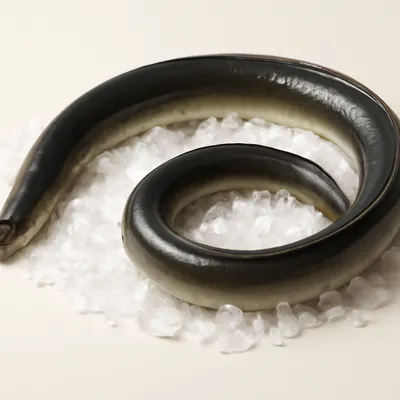
A fierce, waterless dry-roast: marinated eel or chicken cooked entirely by the stored heat of a screaming-hot clay pot over a roaring flame, with ginger, scallion, garlic, and a sauce splashed in at the end so it erupts in steam against the blazing pot. No water and no rice, the dish arrives at the table still audibly sizzling, the sauce caramelized and clinging, the meat charred-fragrant and full of wok-breath.




Sizzling clay-pot is a Cantonese dish from Guangzhou, and its name is pure onomatopoeia: 'ze ze' imitates the sputtering sizzle the food and its juices make when they strike the searing pot and flash into steam. By common account it rose from the open-air food stalls, the dai pai dong, of 1980s Guangzhou, where a roaring burner and a thick clay pot could turn out a fast, intensely fragrant dish to order; it has no recorded single inventor. The clay-pot is what defines it — the cooking is dry from start to finish, with not a drop of water added, the opposite of a soup or a rice pot.
The pot comes to the table sputtering, and lifting the lid releases a burst of charred, aromatic steam. The eel or chicken carries a smoky-singed edge from contact with the blazing clay, the sauce reduced to a glossy, caramelized coat rather than a pool, the ginger and scallion blistered. This is wok-breath made audible: deep, roasted, faintly burnt-fragrant. The texture is the tell — the meat should be just cooked through and springy, never stewed; a wet, soupy pot means water crept in somewhere and the whole point was lost.
The clay-pot is the engine. Its thick, unglazed wall stores and radiates intense heat, so once empty-heated to a few hundred degrees it can dry-roast raw ingredients on its own retained warmth. At that heat the sugar in the sauce and the amino acids in the soy and oyster sauce drive the Maillard reaction and caramelization, and that is what builds the charred wok-breath aroma — a haze of roasted, brown-cooking volatiles. The sauce is poured in only at the end: hitting the superheated pot it flash-vaporizes, and that steam burst is at once the audible sizzle and the carrier that throws the aromatics up into the air. Because no water is ever added, the flavors concentrate against the clay rather than dilute, which is why the pot must be heated gently first to avoid cracking, then driven hard.
Variations
The pot takes many proteins. Eel is the iconic version, prized for its firm, springy flesh and sweet flavor; chicken is the other headliner, classically cooked with a little pork liver. Frog, pork intestine and offal, fish head, beef, ribs, and squid all go into the pot too, as do vegetable versions with lettuce or water spinach. Cooks distinguish 'raw sizzle,' where raw ingredients go straight into the pot and cook through on its heat, from 'dry sizzle,' cooked to the driest, most charred finish. The sauce shifts by kitchen between a chu hau bean-paste base, deeper and more fermented, and a hoisin-forward one that runs sweeter; a splash of rose-aroma liquor at the end is the classic Cantonese finish.
On the Palate
Where Sizzling Clay-pot sits in the Chinese flavor cloud
Ingredients
Serves 3


How it's made
6 steps · 40 min
- 115 min
Marinate the eel or cut chicken with light soy, oyster sauce, chu hau or hoisin paste, sugar, a little dark soy for color, cornstarch, and pepper; pat the surface dry of any loose moisture.
- 23 min
Mix a small bowl of finishing sauce from light soy, oyster sauce, a touch of sugar, and rose-aroma liquor or rice wine, ready to splash in at the end.
- 34 min
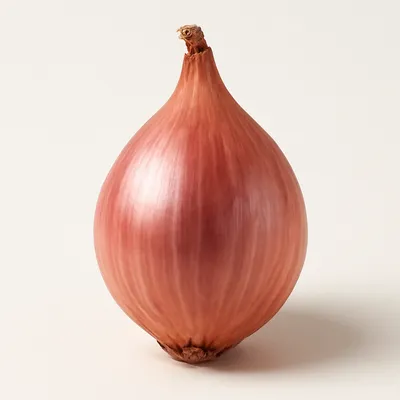
Heat the clay-pot gently first so it does not crack, then crank to high heat until it is screaming hot; add oil and blast the ginger, garlic, shallot, and chili until fragrant.
Watch outWarm the clay-pot gently first so it will not crack, then take it to screaming hot before the oil goes in — that stored heat is the engine of the whole dish.
- 43 min
Lay in the eel or chicken, press it against the pot, and let it sear and dry-cook over fierce heat without adding any water, tossing only enough to keep it from sticking.
Watch outPress the eel or chicken against the pot and dry-cook it over fierce heat, no water — you want it to sear and pick up that charred wok-breath.
- 52 min
Cover and let the retained heat drive it through, a minute or two for a raw sizzle and longer for firmer cuts, until just cooked and lightly charred.
- 62 min
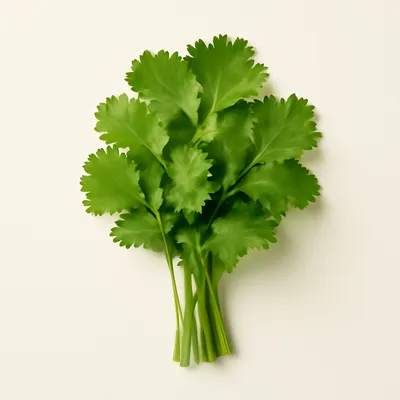
Pour the finishing sauce around the rim so it flashes into steam and sizzles, then scatter in Chinese celery and cilantro, toss once, and carry the pot to the table still sputtering.
Watch outPour the sauce around the rim so it flashes to steam and sizzles — hitting the superheated pot is what throws the aroma up and carries it to the table.
Archive tool suggestions — not reviewed
These legacy suggestions have not been evidence-reviewed and are not presented as required tools.


