
潮汕卤鹅是粤东潮汕卤味里的头牌大菜,用本地的狮头鹅在一锅以南姜为骨的老卤里慢浸而成。卤水里南姜下得极重,配上八角、桂皮、丁香、甘草等十余味香料和老抽、生抽、鱼露、冰糖,这锅卤汤越养越醇,从不倒掉。整鹅治净后浸入卤水,约一个半小时,其间不时把鹅吊离卤汤再放回,好让卤味由里到外浸透。出锅的鹅通体红亮油润,斩成厚片,淋一勺卤汁,配一碟蒜泥醋,鹅肝与鹅掌翅尤为名贵。

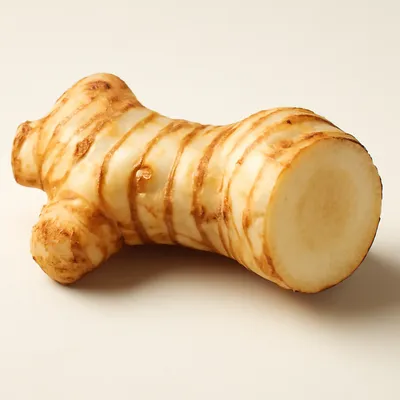




Braising in a perpetual spiced master stock (lou-sui) is the heart of Chaoshan cooking, and the braised goose is its crown. It is built on the Lion-Head goose (shitou-e), China's largest domestic goose breed and reckoned the 'king of geese' in the world, native to Xilou village in Fubin, Raoping, and raised across Chenghai and Chao'an in eastern Guangdong, where it has been kept for more than three hundred years; the Chenghai strain, refined at the Baisha breeding station from 1959, is now a state-protected livestock genetic resource. What sets the Teochew stock apart from the Cantonese one is galangal (nanjiang): the red-skinned rhizome is used heavily, stuffed raw into the bird's cavity and simmered into the brine, and it is galangal, not roasting, that gives the meat its particular fragrance. A working stock is never discarded — it is strained, skimmed and topped up batch after batch, and the longer it has run the rounder it tastes. The goose is sliced and dressed with a ladle of stock and a dish of garlic-vinegar; the liver, webbed feet and wing tips are the prized cuts, and a whole prime bird can fetch a startling price.
Chopped through the bone or carved into thick slices, the goose is a deep amber-red, glossy with stock and rendered fat, and gives off the warm, peppery fragrance of galangal before you even taste it. The skin is soft and yielding, not crisp, and carries the brine's first wave of soy-sweetness and spice. The dark meat beneath is dense, more iron-rich than duck, and the lou-sui has soaked right to the bone so there is no bland centre. A dab of the sharp garlic-vinegar cuts the richness clean. Connoisseurs reach first for the liver — buttery and faintly sweet — and the gelatinous webbed feet and wing tips, where skin, tendon and stock are all that there is.
The craft is all in the stock and a gentle, repeated steeping. The bird is rubbed with salt and wine and air-dried so the brine penetrates cleanly, then lowered into stock held just below a boil — a hard boil shreds the skin and toughens the meat. The defining trick is the lift-and-lower: the goose is hauled out of the stock and plunged back several times during the roughly ninety minutes of braising, which exchanges the hot brine inside the cavity for fresh, drives the seasoning evenly to the bone, and keeps the skin intact. Galangal does the aromatic work — its sharp, camphor-pine notes stand up to long simmering where milder ginger would fade — while red yeast rice and sugar caramelised into the soy give the body its red sheen rather than any roasting. As the goose cools in the stock off the heat, its collagen-rich skin and feet set to a soft gelatin and the deepest flavour soaks in. Between batches the stock is boiled up, skimmed of fat and replenished, so it never spoils and only deepens.
Variations
Within Chaoshan the brine recipe is a closely guarded thing — every old shop weighs its galangal, spices and the ratio of soy to fish sauce a little differently, and some run a redder stock heavy with red yeast rice while others keep it browner and more savoury. The same pot does far more than goose: ducks, chicken, pork, eggs, tofu, offal and the goose's own liver and feet all go in, and the cold sliced spread of them is the lou-mei platter eaten across the region. Where the Cantonese master-stock goose leans on a gentler spice mix and gets its colour largely from red yeast rice, the Teochew bird is defined by its heavy hand with galangal and its tangy garlic-vinegar dip. Prized birds are sold by the cut, the liver and webbed feet commanding the steepest prices of all.
On the Palate
Where Teochew Braised Goose sits in the Chinese flavor cloud
Steep the goose just below a boil and lift-and-lower it several times during braising — the gentle heat keeps the skin whole while the repeated dunking drives the galangal stock evenly to the bone; a hard boil shreds the skin and toughens the meat.
Ingredients
Serves 6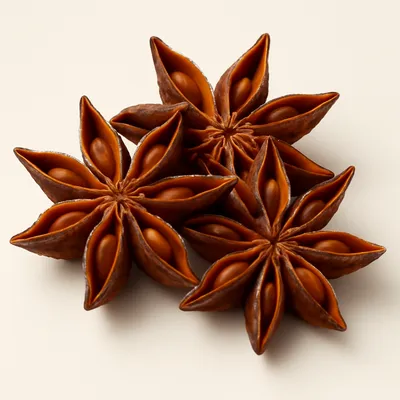


How it's made
8 steps · 1 hour 10 min active + 2 hours 50 min waiting
- 130 min
Clean and singe a whole Lion-Head goose, removing pin-feathers; rub inside and out with salt and Shaoxing wine and air-dry, propped open with skewers, for a couple of hours.
Watch outAir-dry until the skin feels dry and taut to the touch — a damp skin won't take colour or brine cleanly.
- 230 min
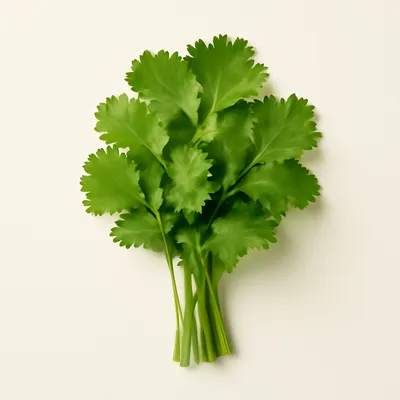
Build the galangal lou-sui: toast star anise, cinnamon, cloves, licorice and a bag of red yeast rice; bring water to a boil with light and dark soy, fish sauce and rock sugar, then add a generous amount of sliced galangal, coriander root, the spice bag and rendered lard, and simmer 20 minutes into a fragrant brine.
- 310 min
Stuff the goose cavity with raw galangal, garlic and coriander root, then lower the whole bird into stock held just below a boil.
Watch outLower the bird only once the stock is below a boil, not while it's rolling.
- 490 min
Braise gently for about 90 minutes; several times during braising, lift the goose clear of the stock for a moment and lower it back in, turning it so colour and seasoning set evenly and reach the bone.
Watch outEach time you dunk it back, tip out the cooled brine from the cavity so fresh hot stock fills it.
- 560 min
Cut the heat and let the goose steep in the stock as it cools toward warm, soaking up the deepest flavour and setting the skin to a soft gelatin.
Watch outLet it cool in the stock off the heat until just warm — the skin and feet set to a soft gelatin and the flavor sinks deepest here.
- 615 min
Lift out and drain; brush with a little hot stock for sheen, then chop through the bone or carve into thick slices and arrange on a platter, setting the prized liver, feet and wing tips alongside.
- 75 min
Spoon over a ladle of hot stock and scatter with coriander; serve with two dishes of garlic-vinegar.
- 810 min
Strain, boil up and skim the master stock, top it up with fresh aromatics, and keep it for the next batch.
Archive tool suggestions — not reviewed
These legacy suggestions have not been evidence-reviewed and are not presented as required tools.


