
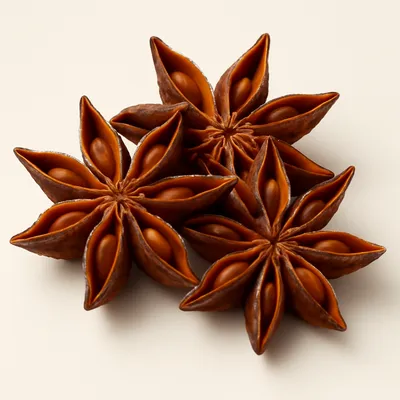
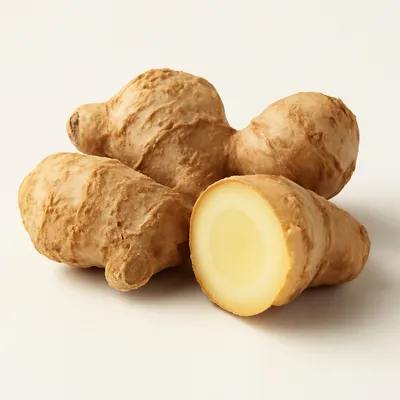
A whole goose simmered slowly in a Cantonese master stock — a deep, spiced soy-and-rock-sugar brine carried over and replenished batch after batch. Unlike the crackling-skinned roast goose, this is a braise: the bird comes out a glossy reddish-brown, the skin soft and the meat saturated through with star anise, cinnamon, sand ginger and licorice. It is chopped through the bone, served warm or cool, and dressed with a ladle of the stock and a dish of garlic-vinegar. The Cantonese version differs from the better-known Teochew braised goose in seasoning and in how it takes its color.



Braising fowl and meats in a perpetual spiced stock (lou-sui) is one of the oldest threads of Cantonese cooking, the cold-cut counterpart to the roast-meat (siu-laap) counter. Two regional lineages dominate Guangdong: the Teochew (Chaoshan) school from the eastern coast, built on heavy use of southern ginger (galangal) and the famous Lion-Head goose, and color dripped on as caramel; and the Guangfu (Cantonese) school of the Pearl River delta, which leans on a gentler spice mix and often red yeast rice for its reddish cast. A working master stock is treasured and never discarded — it is strained, topped up with fresh aromatics and skimmed of fat, and the longer it has run the rounder it tastes. This entry is the Cantonese reading; the Teochew braised goose is a distinct dish with its own following.
Chopped through the bone into bite pieces, the goose is dark amber-red and faintly shining with stock and rendered fat. The skin is soft and yielding, not crisp — this is the opposite mouthful to roast goose — and it carries the brine's first hit of star anise and licorice sweetness. The dark meat underneath is dense and savory, more iron-rich than duck, infused so the flavor runs right to the bone. A dab of the garlic-vinegar on the side cuts the richness; the head, neck and wing tips, all gelatin and skin, are quietly prized.
The whole craft is in the stock and the gentle simmer. The bird is first rubbed inside and out with salt, wine and ginger and air-dried a few hours so the brine penetrates cleanly; it then goes into stock kept just below a boil — a hard boil shreds the skin and toughens the meat. It is turned often and ladled over so color and salt set evenly, then left to steep off the heat as it cools, which is when the deepest seasoning soaks in. Color comes from red yeast rice and a touch of sugar caramelized into the soy rather than from roasting. A skin of pork lard and rendered goose fat floats on top to seal the stock; the trade-off with red yeast rice is that it can turn the stock sour faster, so it must be boiled up and skimmed between uses.
Variations
The Guangfu (Cantonese) version above contrasts with the Teochew braised goose, which uses far more southern ginger, drips on caramel for color and is served with a tangy garlic-vinegar dip of its own. Within the Cantonese family, some shops keep a 'white' lou-sui with no soy or red yeast — the same brine used for white-cut chicken — for a paler, more delicate bird. Where goose is dear, the identical stock is run with duck, chicken or a spread of offal; the same pot yields the cold master-stock platter served alongside.
On the Palate
Where Master-Stock Goose sits in the Chinese flavor cloud
Ingredients
Serves 6


How it's made
6 steps · 1 hour active + 5 hours waiting
- 130 min
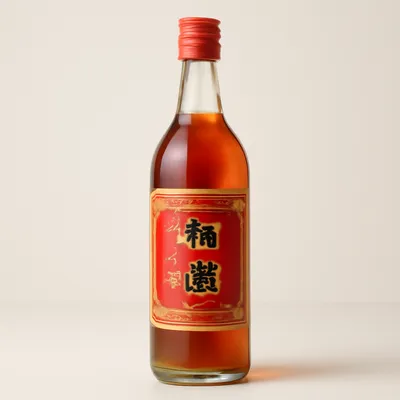
Clean and singe a whole goose, removing pin-feathers; rub inside and out with salt, Shaoxing wine and crushed ginger and air-dry, propped open with skewers, for several hours.
Watch outRub with salt, wine and ginger and air-dry a few hours — a dry surface lets the brine set in clean and the color take evenly later.
- 240 min
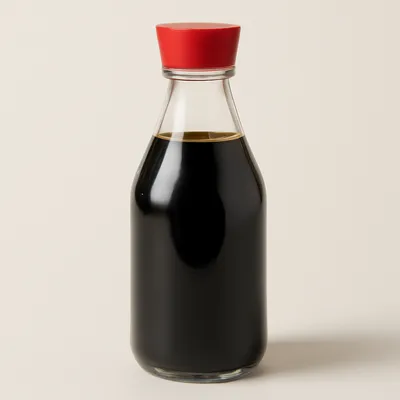
Build the master stock: simmer pork bones for a base, then add light and dark soy, rock sugar, salt, star anise, cinnamon, sand ginger, licorice, bay and a muslin bag of red yeast rice.
- 3120 min
Lower the goose into stock held just below a boil; braise gently for about 2 hours, turning often and ladling stock over the bird so color and salt set evenly.
Watch outHold the stock just below a boil and keep basting — a hard boil shreds the skin and toughens the meat; gentle heat sets color and salt evenly.
- 460 min
Cut the heat and let the goose steep in the stock as it cools toward warm, soaking up the deepest seasoning.
Watch outCut the heat and let the goose steep as it cools — that off-heat soak is when the deepest seasoning goes in.
- 515 min
Lift out, drain, and brush with a little hot stock for sheen; chop through the bone into bite pieces and arrange on a platter.
- 610 min
Spoon over a ladle of hot stock and serve with a dish of garlic-vinegar; strain, boil up and skim the master stock to keep for the next batch.
Archive tool suggestions — not reviewed
These legacy suggestions have not been evidence-reviewed and are not presented as required tools.


