A whole watermelon hollowed into a vessel and steamed with two boned squabs, dried scallops, and sea cucumber inside — the melon's juice sweetens every bite; lifting the lid at the table reveals twin squab heads rising like phoenixes from an egg.


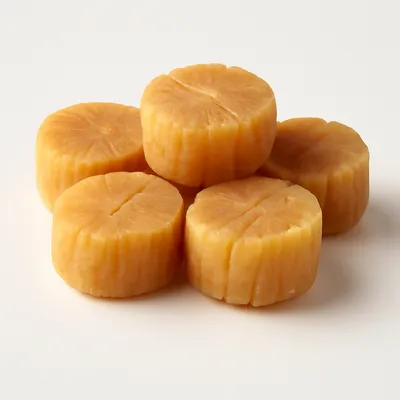

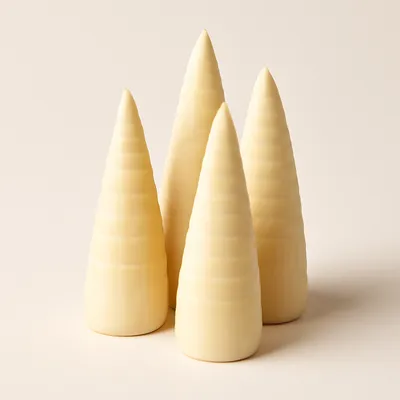
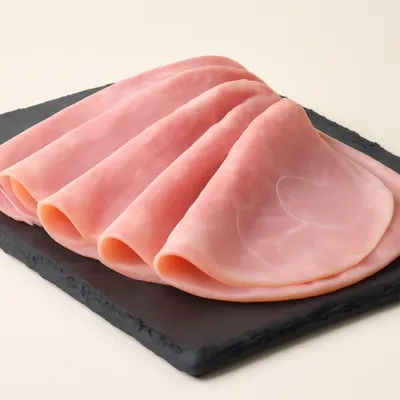
Created during the Tongzhi era (1862–1875) by Zhang Zhaozeng, head chef to Kong Xiangke, the 75th Yansheng Duke. Inspired by watermelon vendors outside the Kong Mansion in summer, Zhang hollowed a melon, placed two small squabs inside with dried scallops, sea cucumber, ham, and bamboo shoots, and steamed the sealed vessel. The Duke found the name 'watermelon chicken' inelegant and renamed it himself: the watermelon is the egg, the two squabs are twin phoenixes straining to hatch.
The moment the melon lid lifts, sweet watermelon steam rushes out carrying the briny depth of dried scallops; the squab, cooked inside that fragrant envelope, is silk-soft and faintly sweet — a flavor no amount of stock alone could replicate.
The sealed watermelon shell forms a natural steam chamber at 100°C. Fructose from the melon juice permeates the cooking liquid, lending a subtle sweetness the squab absorbs. Umami is compounded by the nucleotide-glutamate synergy between dried scallops (rich in inosinic acid) and sea cucumber (rich in glutamic acid), producing a perceived savoriness several times greater than either ingredient alone.
Variations
The original used plain chicken (西瓜鸡) with no garnishes; dried scallops, sea cucumber, and abalone were added progressively by later Kong family chefs. Modern versions sometimes substitute baby pigeons for squabs. A further refinement uses only the melon's fresh juice and forgoes stock entirely, yielding a lighter, cleaner result.
On the Palate
Where One Egg Hatches Twin Phoenixes sits in the Chinese flavor cloud
Ingredients
Serves 4

How it's made
8 steps · 40 min active + 1 hour 30 min waiting
- 15 min
Select a firm, oval watermelon (~2.5 kg); cut a rectangular lid from the stem end, scoop out the flesh and juice, reserving the juice.
- 210 min
Gut, debone, and clean two young squabs, removing major bones from wings and thighs while keeping the body shape intact.
- 320 min
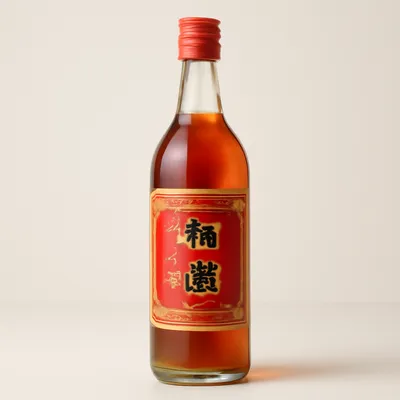
Marinate the squabs with Shaoxing wine, salt, and sesame oil for 20 minutes.
- 410 min
Soak dried scallops in warm water for 30 minutes; rehydrate sea cucumber and slice into strips; slice ham and bamboo shoots into thin pieces.
- 55 min
Combine the soaked garnishes with the reserved watermelon juice and pour over the squabs; toss to coat.
- 65 min
Arrange both squabs inside the melon shell with heads angled upward through the opening; pack in scallops, sea cucumber, ham, and bamboo shoots; secure the lid with bamboo skewers.
Watch outSeat both squabs with their heads angled up through the opening before you skewer the lid shut — get the pose right now, because that's the tableside reveal of two phoenix heads rising.
- 788 min
Steam in a large steamer over high heat for 85–90 minutes until the squabs are fully tender and yielding.
Watch outSteam a full eighty-five to ninety minutes over high heat until the squab feels tender enough to slip off the bone — the sealed melon shell must build steam the whole time or the meat stays tough.
- 82 min
Carry the sealed watermelon to the table and lift the lid tableside to reveal two squab heads rising from the melon shell.
Archive tool suggestions — not reviewed
These legacy suggestions have not been evidence-reviewed and are not presented as required tools.


