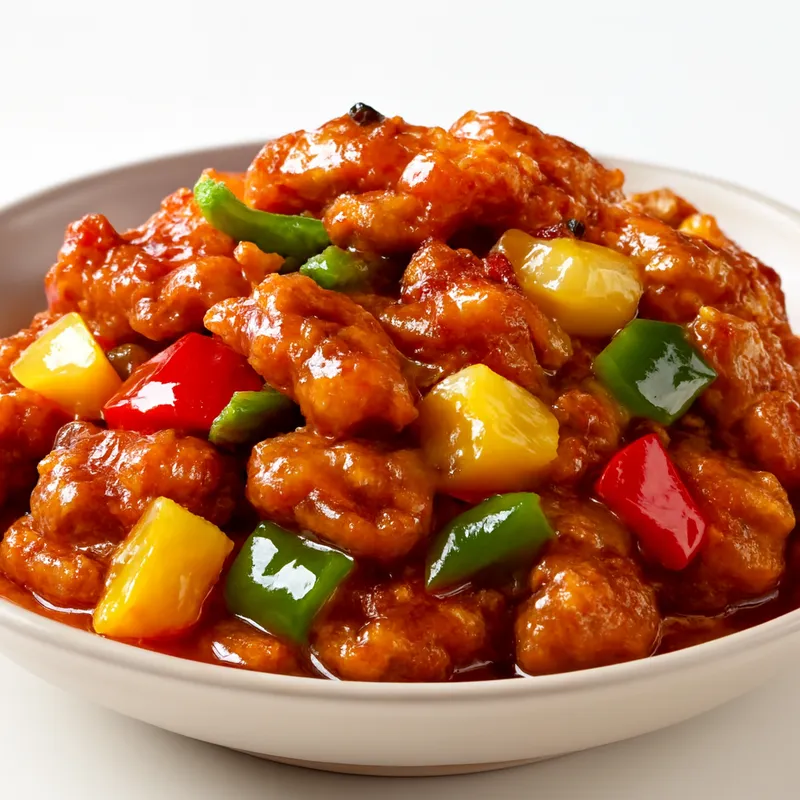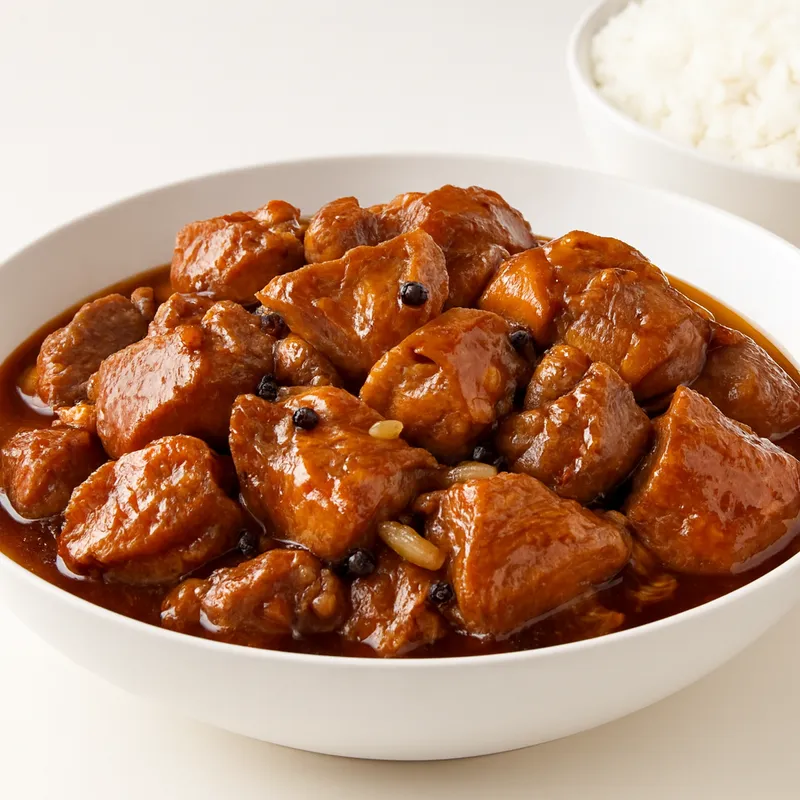




Red yeast rice (红曲米) has been fermented in Fujian since at least the Song dynasty (10th–13th century), originally for medicine and wine-making. The pork dish emerged from the Min cuisine tradition where every household kept a jar of red yeast lees (红糟, the spent lees left after pressing red-yeast wine) — the pigment doubled as preservative and natural food coloring before chemical dyes existed. Fuzhou and Fuqing households still pass starter cultures down generations.
Red yeast rice has been fermented in Fujian since at least the Song (10th–13th c.); the burgundy color is monascus pigment, not paprika or beet — and the same Monascus purpureus mold also produces monacolin K, chemically identical to the statin lovastatin. Food coloring shortcuts kill it.
Pork belly cubes lacquered burgundy from red yeast rice paste, the color of old wine. The skin gives slightly under chopstick, the fat rendered down to silk. Flavor is sweet-salty-funky from the fermented rice — closer to dry sherry than sugar. Eaten with steamed buns or plain rice; the sauce stains everything pink.
The red color is monascus pigment, not paprika or beet — a byproduct of Monascus purpureus mold growing on rice. Same mold also produces monacolin K, chemically identical to the statin lovastatin. The fermented rice contributes a distinct ester profile (think aged cheese rind) that plain sugar braises can't replicate; substituting food coloring kills the dish.
Variations
Fuzhou home-style is sweeter with rock sugar; Fuqing version runs leaner with shoulder cut; Taiwan's 红糟肉 batters and fries thinly cut pork in red yeast paste; Macanese 红烧肉 uses the same pigment via Portuguese-era trade lineage.
On the Palate
Where Red Yeast Rice Pork sits in the Chinese flavor cloud
The red yeast rice does the work — it dyes the pork deep red and lends a fermented, cheese-rind tang that plain sugar-braised pork can't fake, so marinate long and never reach for food colouring.
Ingredients




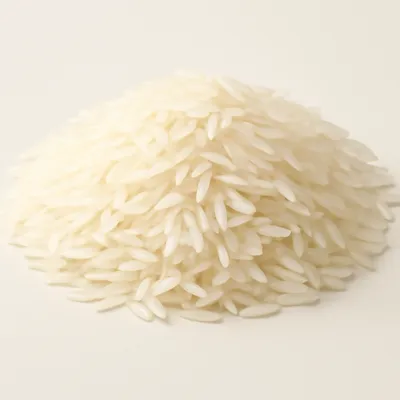

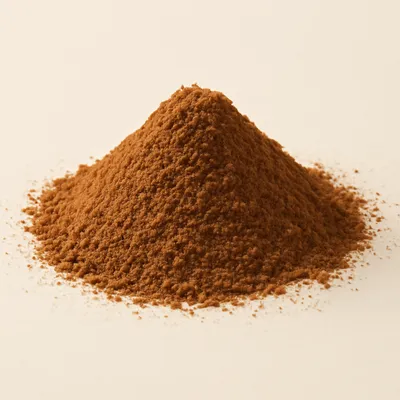
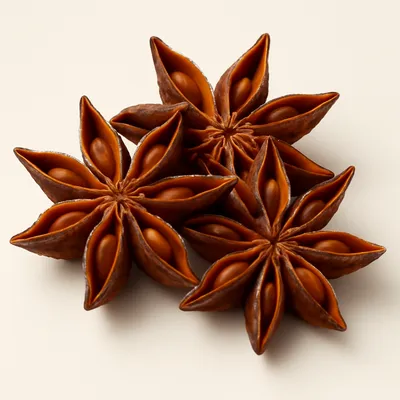
How it's made
4 steps · 18 min active + 30 min waiting
- 15 min
Cut the pork into bite-sized pieces. In a bowl, combine the pork with red yeast rice, rice wine, minced garlic, and ginger. Mix well and let marinate for at least 30 minutes.
Watch outThe pork should turn evenly rosy in the bowl as it sits — even staining now means even colour on the plate later.
- 25 min
Heat a tablespoon of oil in a large pan over medium-high heat. Add the marinated pork and sear until browned on all sides, about 5 minutes.
Watch outWait for a real browned crust on every face before you touch it — moving it too soon leaves it pale and sticking.
- 35 min
Reduce the heat to medium and add soy sauce and sugar to the pan. Stir to coat the pork evenly, then cover and let simmer until the pork is tender, about 20 minutes.
Watch outCheck the pork occasionally to prevent it from drying out.
- 43 min
Remove the lid and increase the heat to medium-high. Cook until the sauce thickens slightly, about 3 minutes.
Watch outPull it when the sauce turns glossy and just coats the pork — reduce past that and the crimson glaze scorches and turns bitter.