Pork shreds stir-fried with fermented Guangxi sour bamboo — pungent, funky, eaten over rice. Same bamboo that gives Liuzhou luosifen its smell.
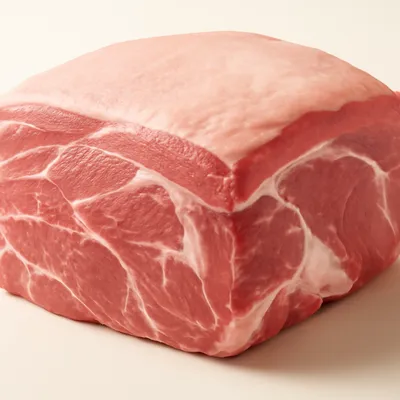



Guangxi's sour bamboo (酸笋) is fermented from fresh bamboo shoots in salt brine for 15-30 days, where lactic-acid bacteria convert the shoot's sugars into lactic acid; the signature funk comes chiefly from hydrogen sulfide (from cysteine breakdown) and skatole (from tryptophan), not from the acids themselves. The simple stir-fry with pork is a household preparation across Guangxi; the same pickled bamboo is the load-bearing aroma in Liuzhou luosifen, which made the smell internationally famous after 2014.
Guangxi's 酸笋 ferments 15-30 days in salt brine, producing isovaleric and butyric acids — the same compound class behind aged cheese. The wok mellows what your nose first reads as feet.
First the smell hits — sharp, slightly sulfurous, the same bouquet that announces a luosifen shop from down the block. On the tongue, the sour bamboo crunches like a tart pickle, the pork is silky, the chile heat is medium. Acid plus salt plus pork fat is the engine; rice gets sticky-good. If you don't smell it across the kitchen, the bamboo wasn't fermented enough.
The pungent volatiles (hydrogen sulfide and skatole from protein breakdown, alongside lactic acid) are sharp at room temperature but mellow under heat — that's why a hot wok turns the dish from screaming-funky to round-savory. Rinsing the bamboo more than once strips the fatty acids out; tap-water-rinsed-three-times bamboo is bland. The baking soda on the pork raises pH on the meat surface, dissolving some myosin and giving the velvet texture.
Variations
Liuzhou 螺蛳粉 is the loud international cousin using the same bamboo; Nanning's stir-fry runs more chili; the Hakka-Guangxi version pairs sour bamboo with duck instead of pork; Vietnamese mang chua follows nearly identical fermentation.
On the Palate
Where Sour Bamboo Shoot Pork sits in the Chinese flavor cloud
Ingredients
Serves 3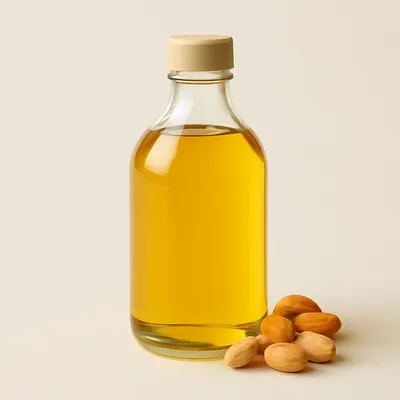





How it's made
5 steps · 15 min active + 10 min waiting
- 110 min
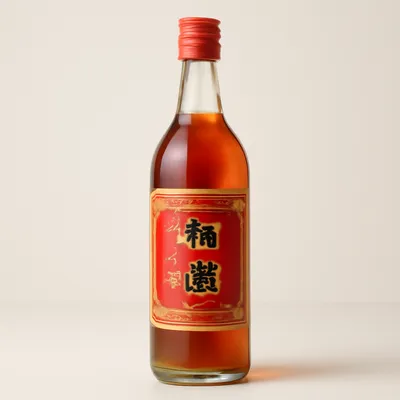
Slice 250g pork shoulder into 4mm shreds. Marinate with 1 tsp cornstarch, 1 tsp light soy, 1 tsp Shaoxing wine, and 1/2 tsp baking soda for 10 minutes. The baking soda is the Cantonese tenderizer trick — keeps the pork silky.
- 23 min
Drain 200g jarred Guangxi sour bamboo, rinse once under cold water (more than once and you wash out the funk). Squeeze dry and slice into matching shreds.
Watch outRinse the sour bamboo just once, then taste a strand — it should still smell aggressively funky; if the sourness has washed pale you've rinsed the soul out of it.
- 31 min
Heat a wok dry until smoking. Add 30ml peanut oil, swirl. Drop in 6 sliced pickled bird's-eye chiles, 4 garlic cloves smashed, and a thumb of ginger julienned — 20 seconds.
Watch outEnsure the wok is hot enough to prevent sticking and to properly infuse the oil with the aromatics.
- 42 min
Add the pork shreds, spread across the wok face, leave 30 seconds untouched, then stir-fry hard for 60 seconds until the meat just turns opaque.
Watch outSpread the pork flat and leave it alone the first 30 seconds — let it grip and colour before you toss; pull it the instant it turns opaque or it goes tough.
- 53 min
Tip in the sour bamboo. Stir-fry 90 seconds over highest heat — you want the wok hot enough to char the bamboo edges. Season with 1 tsp light soy, 1/2 tsp sugar, a pinch of MSG. Finish with a splash of Shaoxing wine around the wok rim, toss, plate.
Watch outKeep the wok screaming hot for the bamboo — you want the edges to catch and char slightly; if it's just steaming in the pan the heat's too low.
Archive tool suggestions — not reviewed
These legacy suggestions have not been evidence-reviewed and are not presented as required tools.