Yunnan's great communal pot — a hand-hammered copper vessel with a central charcoal chimney, filled with a slow-simmered ham-bone and whole-chicken broth, then loaded with Yunnan ham slices, fried pork crackling, pork meatballs, and seasonal vegetables stacked in careful layers. Not a dipping hotpot: the food arrives fully assembled, cooking at the table in its own rich broth until everything is saturated and done.


The 炊锅 is popularly said to date to the Yuan dynasty, when Kublai Khan's army marched into Yunnan in the 13th century. Local tradition holds that craftsmen fashioned copper cooking pots in the dome-shape of Mongolian military helmets, with a central flue channelling charcoal heat upward through the food — a design that served both army kitchens and permanent hearths. This origin is folk etymology, though the vessel form is distinctive and genuinely traceable to the Mongol-era copper craft traditions of Yunnan. The finest copper 炊锅 were and still are made in Tonghai County's Cai Jia Shan village — whose copper-smithing families have practised the craft for over 600 years. In Kunming, the 炊锅 is the centrepiece of the Spring Festival reunion dinner, a ritual in which the communal copper pot, filled with layers of ham, fried crackling, meatballs, taro, and cabbage above a clear, deeply savoured broth, is brought steaming to the family table.
The first sip of broth is the revelation — clear but impossibly deep, softly sweet from dissolved ham gelatin, with a ghost of charcoal smoke threading through. The fried pork crackling has drunk in the broth and surrendered most of its crunch, becoming something silkier and richer. Yunnan ham slices, already intensely savory from months of curing, dissolve into concentrated umami on the tongue. The cabbage and taro at the bottom of the pot, having absorbed every flavour in the vessel, are the most quietly spectacular bites of the meal.
Yunnan's air-cured ham — principally Xuanwei ham (宣威火腿) — accumulates high concentrations of free glutamate and inosinate during months of enzymatic proteolysis and oxidative curing; when dissolved in hot water, these combine in a synergistic umami effect estimated at roughly eight times the intensity of either compound alone. Collagen in the ham bones and chicken carcass hydrolyzes at 90–95°C over a long simmer (two to three hours) into gelatin, giving the broth body without cloudiness. The copper chimney pot maintains a steady, moderate simmer rather than a full rolling boil, preventing fat emulsification that would cloud and embitter the broth — the defining quality difference between 炊锅 and a Northern-style hotpot.
Variations
Tengchong (腾冲) in western Yunnan uses black earthenware ('土锅子') instead of copper, giving a subtle mineral note to the broth. Tonghai's 炊锅 variant uses a broader, shallower copper vessel and features water chestnuts (茨菇), lotus root, sweet corn, and local fermented tofu among its layers. Modern urban Kunming homes increasingly cook 炊锅 on induction hobs, though copper charcoal pots remain the prestige choice for festivals and family ceremonies.
On the Palate
Where Kunming Charcoal Hotpot sits in the Chinese flavor cloud
Ingredients
Serves 6

How it's made
8 steps · 1 hour
- 1120 min
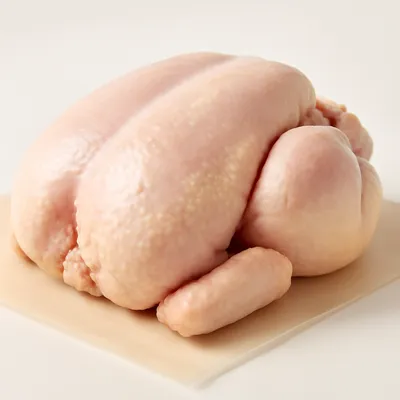
Make the broth: blanch chicken carcass and ham bone in boiling water for 3 minutes to purge impurities; rinse clean, then transfer to a large pot with 3 litres of fresh water and simmer over low heat for 2 hours, skimming regularly, until the broth is clear, golden, and deeply savory.
Watch outBlanch the bones first, then hold the broth at a low, lazy simmer for the full two hours — let it boil hard and the fat emulsifies and the stock turns cloudy instead of clear gold.
- 220 min
Prepare the fried pork crackling (酥肉): mix beaten egg with cornstarch, salt, and white pepper into a thick batter; coat thin pork belly strips and deep-fry at 170°C until golden and just set; drain and set aside.
Watch outPull the crackling the moment it's golden and just set — leave it in and the batter darkens and toughens instead of staying light and crisp.
- 315 min
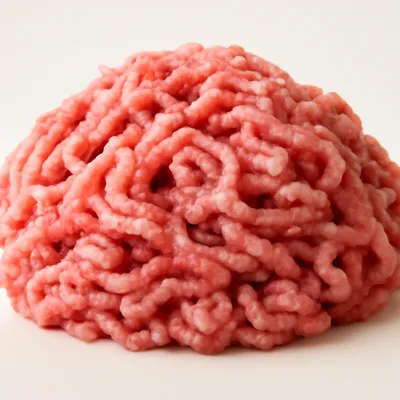
Make the meatballs: combine minced pork with ginger, scallion, a little starch, and salt; stir vigorously until the mixture is sticky; form into walnut-sized balls and poach briefly in the simmering broth until set; remove.
- 410 min
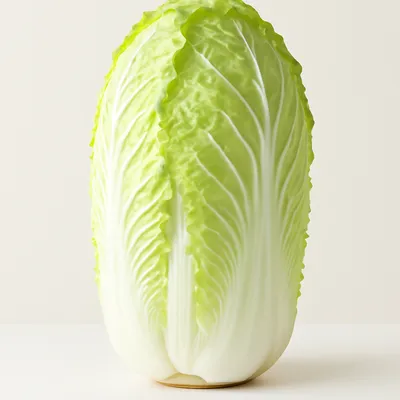
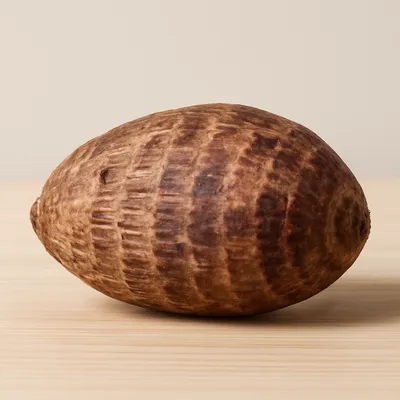
Slice the Yunnan ham thinly; peel and cut taro, lotus root, or winter melon into thick chunks; separate napa cabbage into large leaves.
- 55 min
Assemble the pot: line the base of the copper 炊锅 with napa cabbage leaves, then add a layer of taro and other hardy vegetables.
- 65 min
Place meatballs, fried pork crackling, and Yunnan ham slices on top; season the strained broth with salt, then pour in until the ingredients are three-quarters submerged.
- 730 min
Light hardwood charcoal in the lower chamber of the 炊锅; once the broth reaches a gentle rolling simmer, maintain low heat for 20–30 minutes until all vegetables are fully cooked and saturated.
Watch outEase the fire back to a gentle simmer once it's rolling — a full boil breaks the fat and clouds the broth; you want it just barely bubbling the whole 20 to 30 minutes.
- 85 min
Carry the steaming pot to the table and serve communally, with a dipping sauce of sweet soy sauce and Yunnan chili.


