Xiba Tofu is the culinary signature of Xiba Town in Leshan's Wutongqiao District — a silken-white tofu made from local small-grain yellow soybeans and the cold spring water of the town's celebrated Liang Shui Jing well, coagulated with gypsum rather than bittern and pressed into remarkable softness and resilience. A six-step craft of selection, soaking, stone-grinding, boiling, straining, and pressing yields tofu so structurally sound it holds together through deep-frying, braising, steaming, or stir-frying without crumbling, a property unique to this spring water and these beans. Xiba cooks have built a repertoire of over 300 tofu dishes around this single ingredient, assembled into the Xiba Tofu Banquet, which carries the regional boast: 'Sichuan tofu tops all China, and Xiba tofu tops Sichuan.' The showpiece is Lantern Tofu: tofu cubes fried to a golden crust, hollowed and stuffed with seasoned pork, coated in egg batter and fried again, then finished with a glossy doubanjiang-thickened red sauce — crisp shell, silky interior, and the clean heat of Sichuan.



Xiba Town sits along the Min River roughly 20 kilometers downstream from the Leshan Giant Buddha, where the Min and the Mangxi tributary converge and create a distinctive underground water system. The town's Liang Shui Jing well — cold, clear, low in dissolved minerals, perpetually replenished — has long been recognized as the reason the tofu made here differs from tofu made anywhere else; local tradition holds that 'without these two things, Xiba tofu loses its soul.' Written records document a thriving tofu trade in Xiba during the Ming Wanli era (approximately 1573–1620), giving the tradition at least 400 years of documented history; the Jiazhou Prefecture Gazetteer also preserves a folk legend crediting the discovery of tofu coagulation to the Song-dynasty Daoist hermit Chen Tuan, who allegedly stumbled upon it while tending his alchemist's stove at the Yuantong Temple in Xiba — though this is acknowledged local lore, not verifiable history. The craft became a family lineage through the Yang clan at Xiba's Qingyuan Shop, who began tofu production during the Qianlong and Jiaqing reigns of the Qing dynasty (late 18th to early 19th century); the seventh-generation master Yang Junhua expanded the original handful of recipes to over 300 and trained a generation of successors, including Zou Fangde, whose own restaurant became a landmark of the tradition. In 2009, the Wutongqiao Xiba Tofu-Making Craft was officially inscribed on Sichuan Province's second list of provincial Intangible Cultural Heritage.
Xiba tofu has a resilience ordinary tofu lacks: the exterior holds a quiet elasticity and the interior dissolves in the mouth with a clean, faint sweetness from the soybean that lingers after the bite is gone. Lantern Tofu multiplies the textural layers — after the first fry a thin crust forms; after the second fry over the egg batter, the shell has a springy crackle that breaks to reveal the tender tofu center knit with savory pork filling, fat and bean note intermingling. The doubanjiang red sauce adds chili heat and fermented-bean saltiness that dominate on first contact, pressing the bean sweetness toward the background — but the sweetness reasserts itself in the long, mellow finish.
The tofu's resilience starts with water chemistry. The Liang Shui Jing spring is a soft, weakly alkaline water low in dissolved minerals, so soy protein colloids form without interference from calcium or magnesium ions naturally present in harder water. Gypsum (calcium sulfate) is used as the coagulant rather than bittern (magnesium chloride): it sets more slowly and uniformly, building a finer, denser protein network that produces a tofu at once softer and more structurally sound — qualities that allow it to survive the mechanical stress of frying and stuffing without falling apart. For Lantern Tofu, two rounds of frying at graduated temperatures build the structural shell: the first fry at moderate heat drives off surface moisture and denatures the outer protein layer into a stable crust; the egg batter applied before the second fry at higher heat forms a second sealed layer within seconds of hitting the oil, locking the filling's juices inside and creating a double barrier that holds firm even under ladled sauce.
Variations
The Xiba Tofu Banquet divides into two flavor families: red-oil dishes such as Lantern Tofu and Bear-Paw Tofu, which lead with doubanjiang heat and Sichuan peppercorn; and white-oil dishes such as Sunflower Tofu, Embroidered-Ball Tofu, and Snowflake Tofu, which showcase the tofu's natural delicacy through clear sauces and sculptural presentation. A sweet counterpoint, Crispy Furong, shapes tofu paste into small spheres, deep-fries them golden, and serves them with white sugar — the palate-cleansing finale in a full banquet. Stuffed lantern-style variants replace the pork filling with shrimp, crab roe, or wild mushroom, adjusting the register without changing the fundamental technique; all remain standard items at serious Xiba tofu restaurants.
On the Palate
Where Xiba Tofu sits in the Chinese flavor cloud
Ingredients
Serves 4
How it's made
8 steps · 1 hour
- 1300 min
Soak small-grain yellow soybeans in cold water for 5–6 hours until fully swollen with no hard core remaining.
- 225 min
Grind soaked soybeans with their soaking water in a stone mill or blender; pour the slurry into a muslin cloth bag and press firmly to extract all soymilk, discarding the okara.
- 350 min
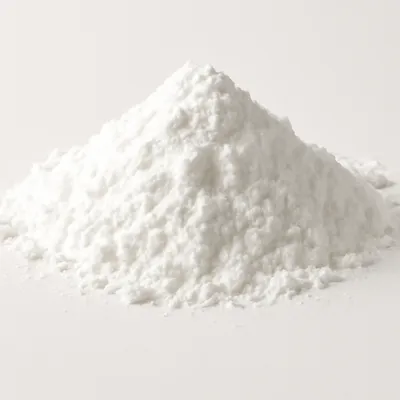
Bring soymilk to a rolling boil over medium-high heat, skimming foam; reduce heat to around 85°C. Dissolve gypsum powder in 50ml cold water; pour slowly into the hot soymilk in one smooth arc, stir gently once, cover the pot, and rest undisturbed for 15 minutes. Ladle the set curd into a cloth-lined mold, fold the cloth over, and press under a weighted board for 30 minutes to firm the tofu.
Watch outBring the soymilk down to about eighty-five degrees before you pour the gypsum in one smooth arc, then don't touch it for fifteen minutes — too hot or any stirring after and the curd sets coarse and weepy instead of silky.
- 415 min
Unmold the pressed tofu and cut into 4cm cubes. Deep-fry in oil at 170°C until each cube is golden on all sides and has a smooth, intact crust, about 3–4 minutes; drain on a rack and cool slightly.
Watch outDeep-fry the tofu cubes at about a hundred and seventy degrees until every face is golden with a smooth, unbroken skin — that intact crust is what lets them survive stuffing without falling apart.
- 510 min
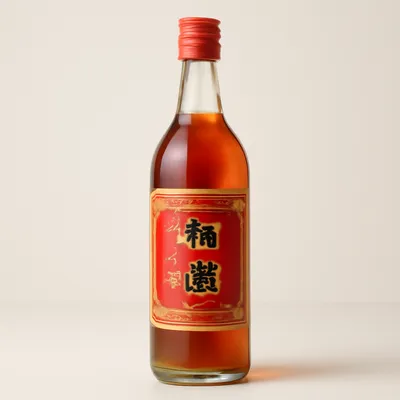
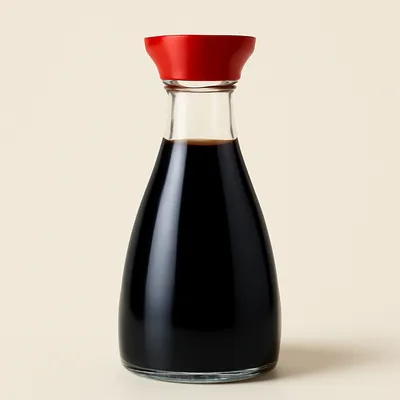
Cut a deep pocket into one face of each fried tofu cube without cutting through to the other side. Season minced pork with soy sauce, Shaoxing wine, ginger, scallion, and white pepper; spoon filling tightly into each pocket.
- 610 min
Beat eggs with a pinch of salt. Coat each stuffed tofu cube in egg batter; return to oil heated to 180°C and fry for 90 seconds until the batter sets and turns pale gold. Drain and arrange on a serving plate.
Watch outRe-fry the egg-coated cubes at about a hundred and eighty degrees for ninety seconds, just until the batter sets pale gold — you only need to fix the egg coat, not brown it deep.
- 710 min
Heat oil in a wok over medium heat; add doubanjiang and stir-fry, pressing and spreading, until the oil runs red and the paste is deeply fragrant, about 2 minutes. Pour in chicken broth, bring to a simmer, and stir in a cornstarch slurry to make a lightly thickened, glossy red sauce. Adjust seasoning.
Watch outFry the doubanjiang, pressing and spreading it, until the oil runs red and it smells deeply fragrant — about two minutes; that red, aromatic oil is the sauce's whole character.
- 85 min
Ladle the hot doubanjiang sauce evenly over the plated lantern tofu; scatter sliced scallion over the top and serve immediately.


