The lead dish of Tianjin's 细八大碗 (Fine Eight Bowls) banquet tier. Fish fillets are coated in egg white and starch, then passed through warm oil at a precise low temperature until jade-white and just set; a barely-sweet clear sauce is tossed around them to finish. Old Tianjin said: ordering the fish slices means you know what you're doing.
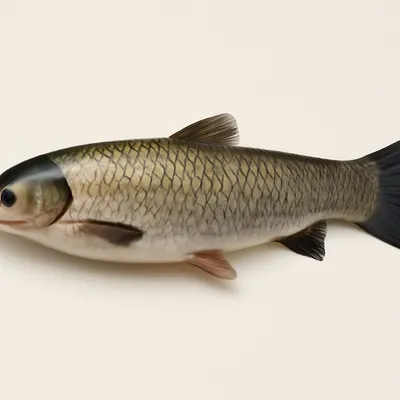



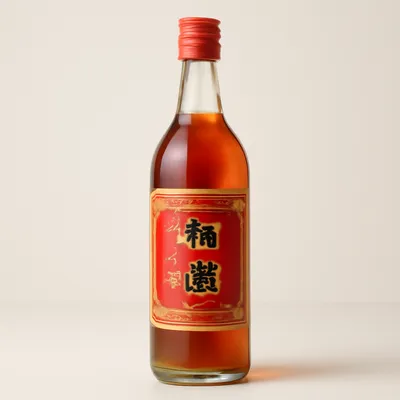
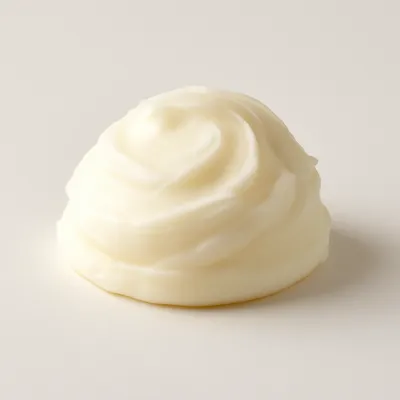
Tianjin's 细八大碗 (Fine Eight Bowls) is a banquet hierarchy above the 粗八大碗 (Coarse Eight Bowls), developed through the restaurants of old Tianjin serving elite and merchant-class banquets during the Qing dynasty and into the Republic era. Velveted fish slices feature among the leading dishes of the fine-bowl canon, and the dish's name carries a homophone of 余 (abundance), making it a fixture at New Year's tables and longevity banquets. Through the treaty-port era of the late Qing, Tianjin's booming commercial wealth sustained a refined restaurant culture; kitchens in the city's upscale establishments absorbed velveting technique from Shandong and Jiangsu traditions and refined it into a clean, clear-sauce style distinct from the darker, soy-forward finishes of other northern schools.
Silky-smooth slices that part at the slightest pressure — no chew, only clean fish sweetness followed by a translucent sauce that coats the tongue without any weight; a final sheen of lard on the surface carries warmth and fragrance through the last bite.
Velveting (上浆) builds a composite barrier around each fish slice: egg-white proteins coagulate at around 65°C to form a delicate gel, while cornstarch fills the gel's pores to smooth the surface. Passing the coated slices through oil at 150°C (six-parts heat) achieves protein coagulation without Maillard browning — preserving the jade-white colour. The starch casing locks intramuscular water inside the fish, preventing the drying that occurs when fish contacts direct high heat. The final sauce, thickened with a second starch slurry and finished with rendered lard (明油), creates a thin glossy film that briefly raises surface temperature, causing the outer starch network to tighten and the surface to shine with the characteristic 明亮 finish.
Variations
糟熘鱼片 — fish slices finished in Shaoxing fermented rice paste (香糟卤) for deeper umami and rice-wine fragrance; 软熘鱼扇 — an autumn version using carp cut fan-shaped and cooked slightly softer; 松子熘鱼片 — a northern banquet presentation garnished with toasted pine nuts for texture contrast.
On the Palate
Where Velveted Fish Slices in Clear Sauce sits in the Chinese flavor cloud
Ingredients
Serves 3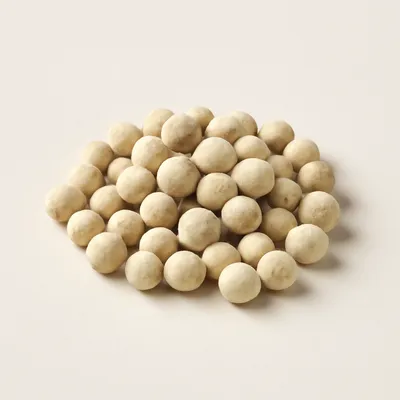

How it's made
7 steps · 20 min active + 5 min waiting
- 15 min
Fillet carp or grass carp; cut against the grain into even slices about 3 mm thick; pat dry with paper towels.
- 25 min
Season the slices with a pinch of salt and 1 tbsp Shaoxing wine; rest 5 minutes, then add egg white and cornstarch and mix gently until every slice is fully coated.
Watch outCoat every slice evenly in egg white and starch until slippery-glossy — bare patches hit the oil and dry out grey instead of staying jade-white.
- 32 min
Prepare the clear sauce: combine chicken broth, a pinch of salt, white pepper, and a cornstarch slurry in a bowl; stir to dissolve.
- 43 min
Heat oil in a wok to 150°C (six-parts heat); add fish slices one by one and gently separate with chopsticks; cook 45–60 seconds until just set and white; remove and drain.
Watch outHold the oil at six-parts heat and slip the slices in to just turn white, 45 seconds — any browning means it's too hot and you've lost the pale color.
- 52 min
Discard most of the oil, leaving a thin film; pour in the prepared clear sauce over medium heat and stir until it begins to thicken.
- 62 min
Return the fish slices to the wok; gently toss to coat evenly with the clear sauce; heat through for 30 seconds.
- 71 min
Drizzle 1 tsp rendered lard (明油) around the edge of the wok; give one gentle fold and plate immediately so the surface shines.
Watch outDrizzle the rendered lard round the edge and fold once — it glazes the surface to a mirror shine; overwork it here and the sauce goes cloudy.


