In Practice
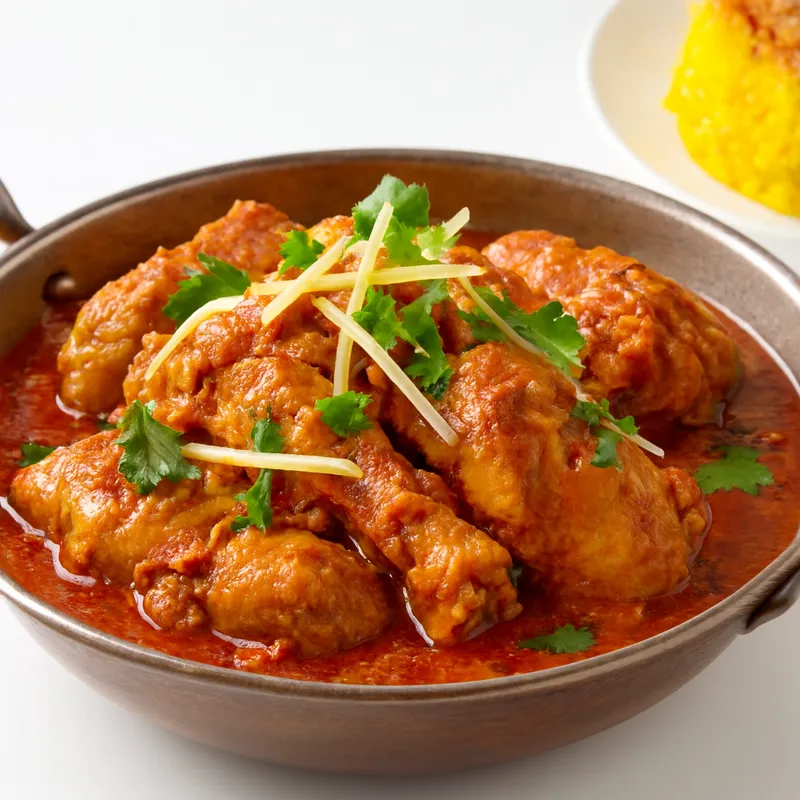
Cast-iron heated until ghee smokes lightly. Whole spices first (cumin seeds, dried chilis, methi) — 15 sec bloom. Sliced onions until they hit deep golden (laal pyaaz), not brown — past golden tastes burnt. Tomatoes added next, cooked until oil separates (bhuna step). Meat and water last; finished open-pan to reduce sauce to clinging consistency. Failure modes: underbhuna leaves raw-tomato sourness; high flame without stirring scorches the curve where heat concentrates.
Background
Emerging from the bustling streets of Lahore in the late 19th century, the karahi technique was born from the need for quick, flavorful meals. The industrial boom brought workers from across the region to the heart of Punjab, creating a melting pot of culinary influences. This portable cooking method allowed vendors to set up shop easily, serving up hot, spicy dishes to hungry laborers.
As the dish traveled beyond Punjab, it adapted to local tastes and ingredients. In northern India, it embraced more tomatoes and cream; in Afghanistan, it absorbed dried plums and a hint of sourness. Yet, the original Pakistani version remains distinct for its fiery spices and minimal broth, focusing on the purity of 本味, the true taste of the ingredients.
How It Works
Thick-walled cast-iron or carbon-steel wok with curved walls and short flared rim. High thermal mass holds 220-280°C on direct flame; food cooks fast at the bottom convex while the rising splash zone catches sputtering aromatics. Tomato sucrose and onion fructose caramelize at 160°C+; tempered whole spices release essential oils (cuminaldehyde from cumin, linalool from coriander) directly into the cooking fat.

Through Time
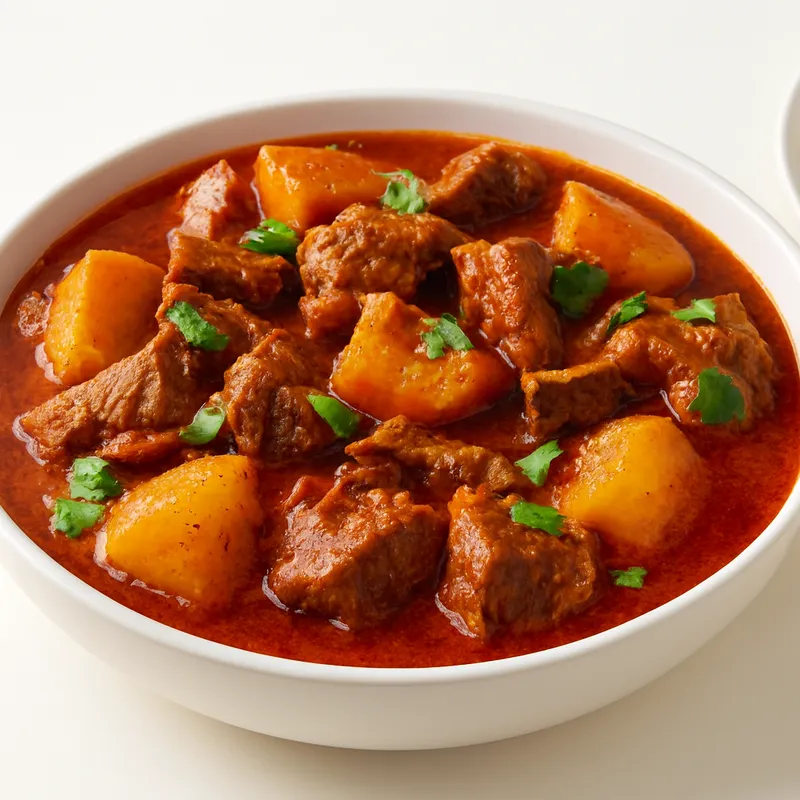
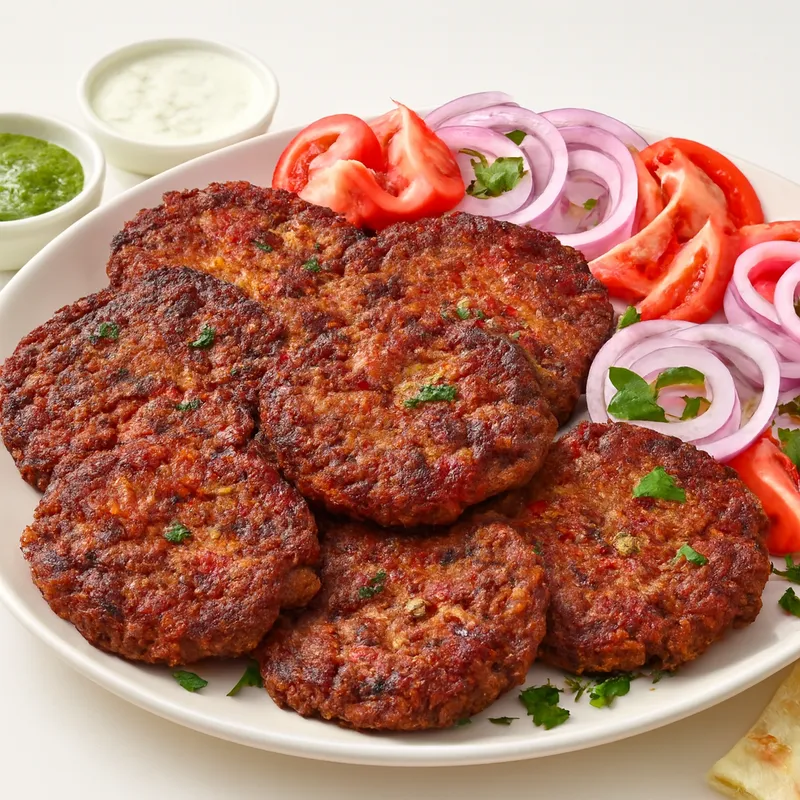
Originated in pre-Partition Punjab, particularly Peshawar and Lahore butcher-shop kitchens late 1800s where freshly slaughtered mutton met curved iron pans over wood fires. Madhur Jaffrey's recipes brought karahi to Western kitchens in the 1970s; Sumayya Usmani's *Summers Under the Tarmarind Tree* (2016) and Kanwal Sibtain's writings preserve Punjabi-Pakistani household specifics.
Related cooking knowledge
Stir Frying is the Chinese curved-pan sibling — different aromatic vocabulary, same wok-hei lift. Sauteing is the flatter Western counterpart. Tadka is karahi's spice-bloom opening move. Tandoor handles the wood-fired meat that karahi pan-fries instead.