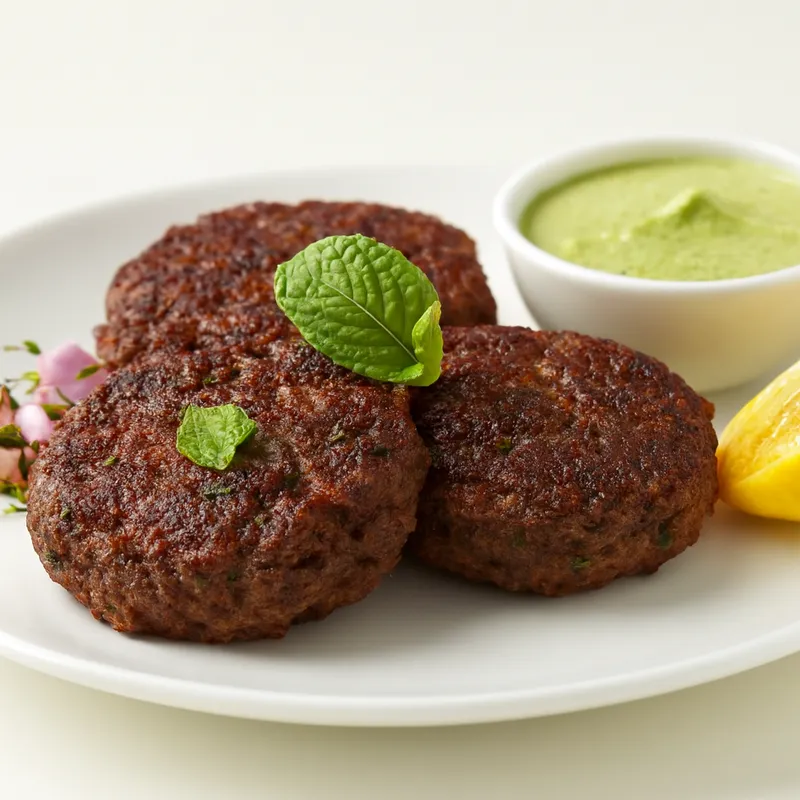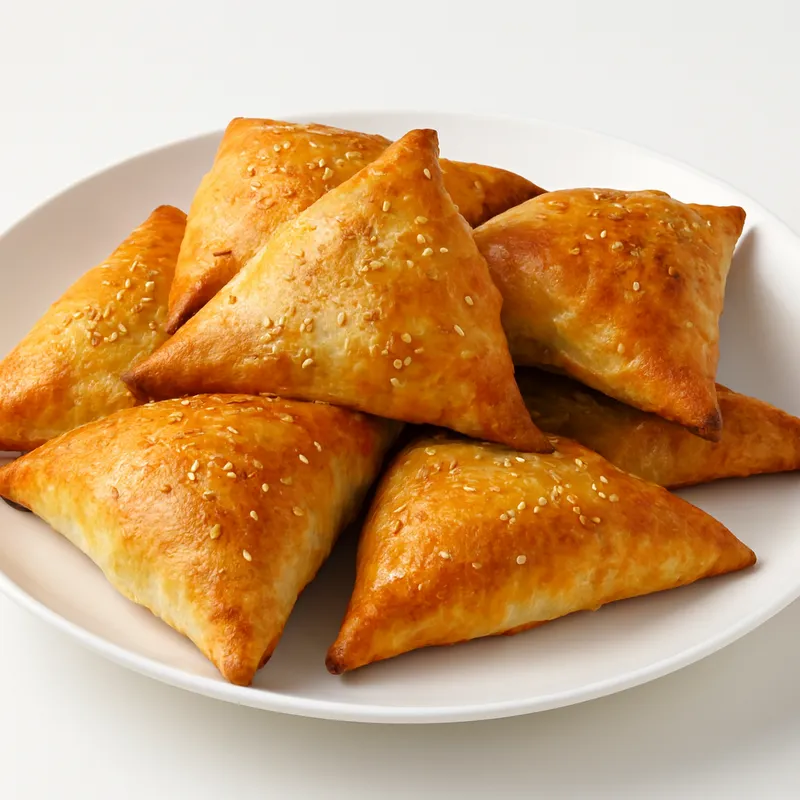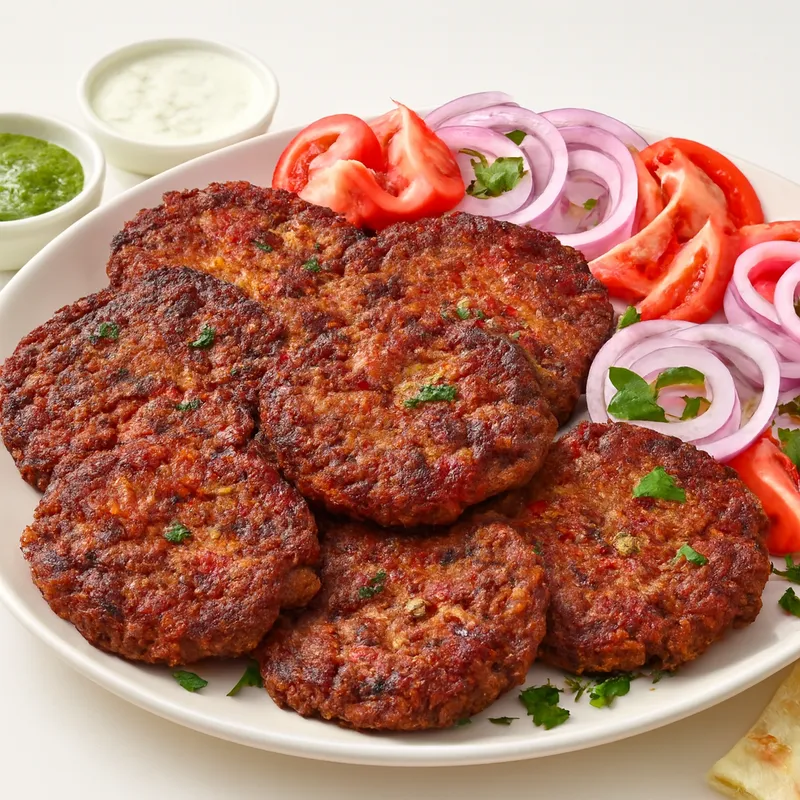
A minced meat patty, flavored with spices and herbs.



From Peshawar in Pakistan's Khyber Pakhtunkhwa province, Pashtun in origin and likely centuries old as a roadside grill food along the trade route through the Khyber Pass. The name "chapli" comes from the Pashto word for flat (chaprikh) — describing the deliberately thin shape that maximizes crust per gram. Still cooked on huge flat iron tawas at Peshawar's Namak Mandi.
From Peshawar — Pashtun in origin, named after the Pashto word chaprikh (flat) for its deliberately thin shape that maximizes crust per gram. Cooked at Namak Mandi on huge flat iron tawas in beef tallow, not oil. Anardana (dried pomegranate) is the load-bearing detail — tartness without liquid.
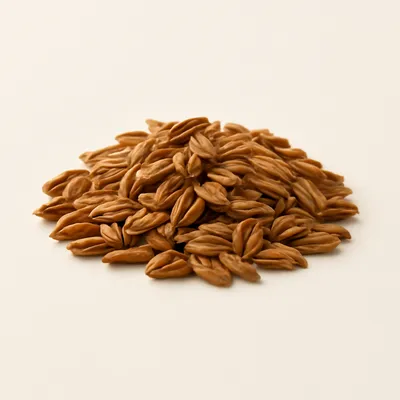
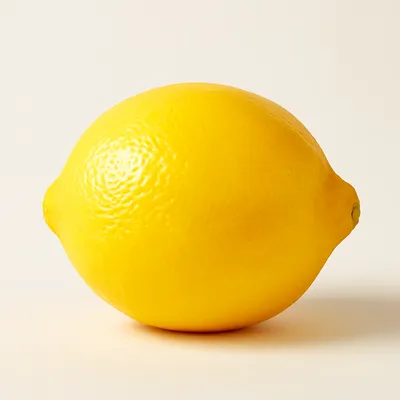
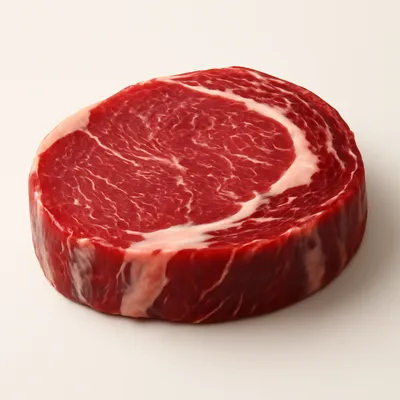
A flat, ragged-edged patty the size of a saucer, fried in its own fat until the crust goes mahogany. Inside: minced beef mixed with pomegranate seeds that pop sour against the cumin and coriander, plus chopped tomato and green chili. Eat folded into naan with onion rings and a squeeze of lemon. Crumbly is correct; tight meatball-texture means too much binder.
Anardana (dried pomegranate seed) is the load-bearing detail: it provides tartness without liquid, so the patty can be wet-textured but still crisp on the tawa. Cooking fat is traditionally beef tallow or rendered tail fat, not oil — that's why a real chapli smells beefier than a commercial kebab. Maize flour, not breadcrumb, lets the edges shatter rather than chew.
Variations
Peshawari (the canonical, with anardana and beef tallow); Mardan-style (smaller, with more cumin); Charsadda (no egg, looser); commercial Karachi tawa-fried in oil (lighter, less beefy — purists call it not-real).
On the Palate
Where Chapli Kebab sits in the Pakistani flavor cloud
Work the dried pomegranate seed into the mince — it brings the tartness without adding liquid, so you get a deliberately wet, loose patty that still crisps flat on a hot pan instead of frying up dense and dry.
Ingredients







How it's made
5 steps · 28 min
- 110 min
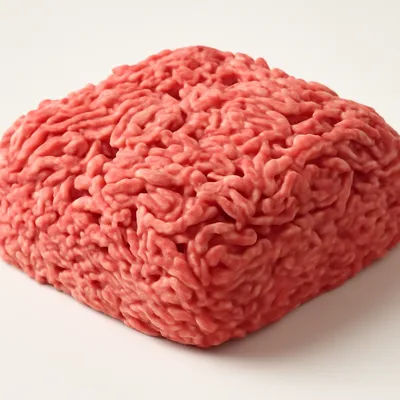
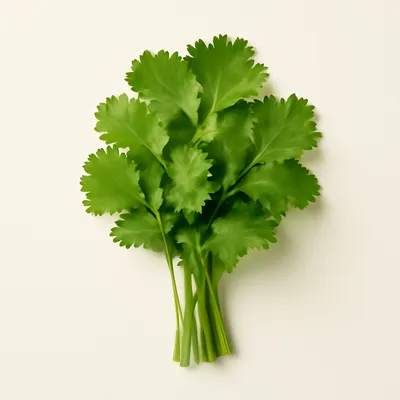
In a large bowl, combine minced beef with finely chopped onion, cilantro, cumin, and green chilies. Crack in an egg and mix until well combined, forming a cohesive mixture.
- 25 min
Shape the mixture into flat, round patties about 1/2 inch thick. Press gently to ensure they hold together.
Watch outFlatten to about a centimeter and no thicker; thin is the whole point, it maximizes crisp crust.
- 33 min
Heat a heavy-bottomed skillet over medium-high heat. Add a small amount of oil to coat the pan.
Watch outEnsure the oil is hot enough to sizzle when the kebabs are added, but not smoking.
- 48 min
Place the kebabs in the skillet, ensuring they don't touch. Cook until browned and crispy on one side, then flip and cook the other side until fully cooked through, about 4 minutes per side.
Watch outWait for a deep browned crust to set on the first face before flipping; turn too soon and it tears and won't crisp.
- 52 min
Serve hot with naan or as a bun kebab, garnished with additional cilantro if desired.
Archive tool suggestions — not reviewed
These legacy suggestions have not been evidence-reviewed and are not presented as required tools.
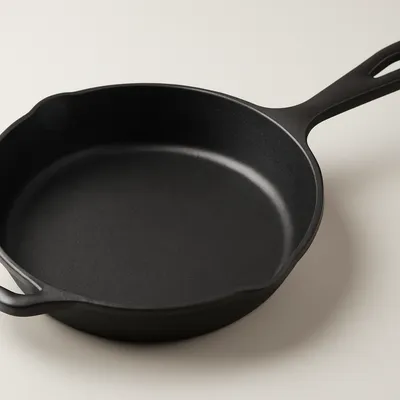
A heavy, single-piece cast iron pan, 25-30 cm across, weighing 1.5-2.5 kg. Once preheated, the thick mass holds 230°C+ even when a cold steak hits the surface — that's the secret to a deep crust. A well-seasoned skillet (multiple thin layers of polymerized oil baked into the iron) is essentially nonstick, gets better with use, and lasts a century. Lodge skillets from Tennessee have been in continuous production since 1896.

A flat or slightly concave cast-iron griddle, 25-30 cm across, used in Indian and Pakistani kitchens for chapati, paratha, and roti. Distinct from the Dosa Tawa (smaller, for batters) — the bread tawa is heavier and unglazed, and you cook directly on it without oil. A well-seasoned tawa develops a near-black patina and lasts generations.