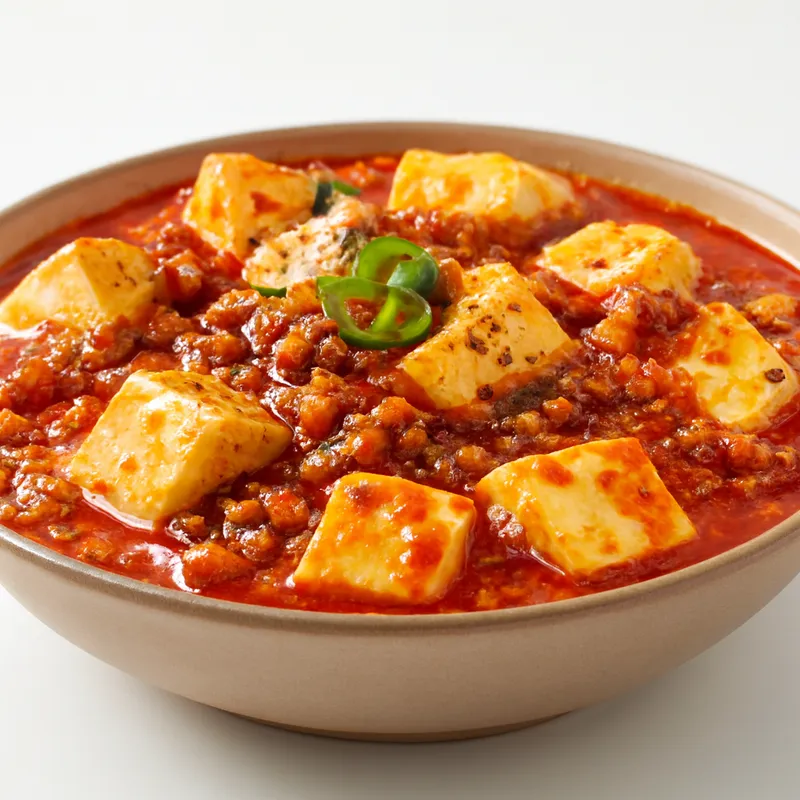
Sichuan silken tofu and ground pork in a fiery, numbing sauce of doubanjiang and Sichuan pepper.



Created in 1862 in Chengdu by a pockmarked old woman named Chen, who ran a small restaurant near the Wanfu bridge serving riverboat porters cheap rice with whatever was at hand. The dish was originally a porter's meal — fast, oily, salty enough to ride home on. "Mapo" (麻婆) literally means "pockmarked old lady," naming Chen herself.
A poor cook's dish that became a UNESCO city's flagship. The má-là is non-negotiable; doubanjiang is the load-bearing one.
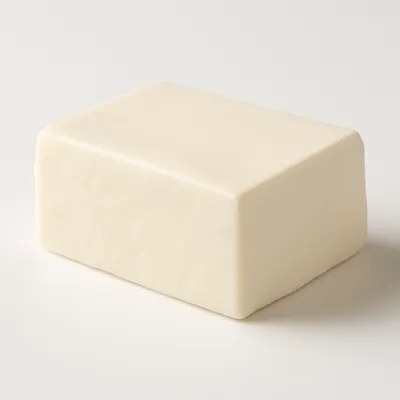
Silken tofu cubes, barely holding together, in a brick-red oil slick. Sichuan peppercorn numbs the lips before chili heat arrives — the signature 麻辣 (má-là) double act. Ground meat and fermented black bean pop through every bite. Eat over white rice; chopsticks lift one cube whole or it falls apart.
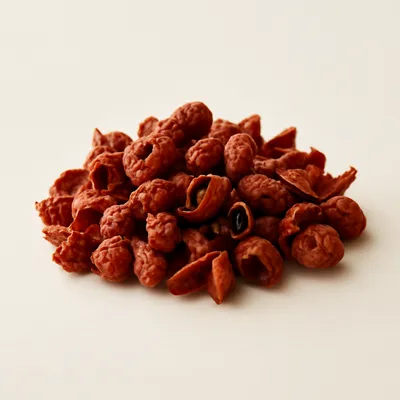
Sichuan peppercorn (花椒, huājiāo) is not chili — it's a citrus relative whose oil contains hydroxy-alpha-sanshool, which fires the lip's vibration receptors at 50 Hz. The tingle is a physical buzz, not heat. Traditional Mapo Tofu commonly uses red Hanyuan Sichuan pepper. Jinyang is a recognized green Sichuan pepper variety.
Variations
Chongqing version pushes the heat harder and adds zhacai; Hong Kong restaurants tame both the má and the là.
Claims & sources1/1 reviewed
Claims & sources
This covers the claims listed here—not the whole page.
- FactReviewed fact
Traditional Mapo Tofu commonly uses red Hanyuan Sichuan pepper.
- 茂县花椒Context only茂县人民政府 · Published 2019-09-02 · Accessed 2026-07-19Location: Main paragraph identifying 茂县大红袍 as red pepper
- 庭审背后,我们的花椒故事⑨|“青花椒”“藤椒”是一回事?别混淆逻辑了,专家来正名Context only四川农业大学新闻网 · Published 2022-01-18 · Accessed 2026-07-19Location: 藤椒属于青花椒, paragraphs identifying 金阳青花椒 among green varieties
- 汉源花椒:追寻川菜‘麻’的源头Supports雅安日报 · Published 2022-09-03 · Accessed 2026-07-19Location: Introductory paragraphs: Hanyuan pepper is red; authentic numbing dishes including Mapo Tofu use Hanyuan pepper
On the Palate
Where Mapo Tofu sits in the Chinese flavor cloud
Fry the doubanjiang low and slow until the oil turns red and separates before anything else goes in — that bloomed chili-bean oil is the whole flavor base; rush it and the dish tastes raw and muddy.
Ingredients


How it's made
6 steps · 12 min
- 14 min
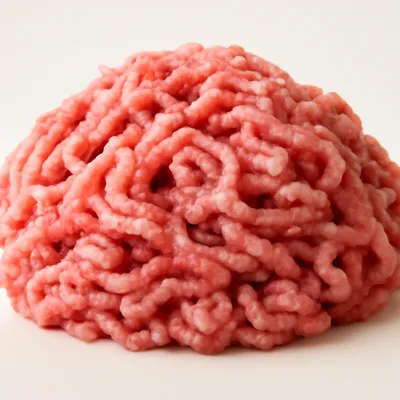
Heat a splash of oil in a wok over medium-high and add the ground pork. Break it up and fry until it loses its pink and the edges crisp and render — this savoury, crisped pork is the base the whole sauce sits on.
Watch outLet it actually brown — if you rush to the sauce while the pork is still grey and steaming, the dish tastes flat.
- 21 min
Push the pork to one side and add the minced garlic and ginger to the hot fat. Fry just until fragrant, about a minute.
Watch outGarlic scorches fast in hot fat — keep it moving and drop the heat if it colours too quickly.
- 32 min
Stir in the doubanjiang and fermented black beans and fry them gently until the oil turns brick-red and smells deeply savoury. That red oil — 红油 — is the dish.
Watch outWatch the oil, not the clock: it should turn deep red and separate out with a spicy fragrance before you move on.
- 45 min
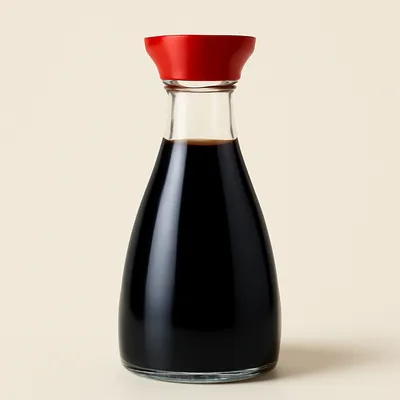
Pour in a cup of water or light stock, slide in the silken tofu cubes, and add the soy sauce. Nudge — don't stir — and let it simmer gently so the tofu drinks up the sauce, about 5 minutes.
Watch outSlide the cubes in and nudge with the back of the spoon; if they start crumbling you're being too rough.
- 52 min
Stir the cornstarch into two tablespoons of cold water and drizzle it in in two or three stages, simmering between each, until the sauce turns glossy and clings to the tofu.
Watch outAdd the slurry in stages — the sauce should coat the tofu with a glossy sheen, not sit in a watery puddle or set to glue.
- 61 min
Off the heat, scatter over the ground Sichuan pepper and the sliced scallions. Serve at once, over rice.
Watch outSichuan pepper goes in last so its numbing 麻 aroma isn't cooked off; the scallions should stay bright green, not wilt.