



Developed by Ding Baozhen himself — a Guizhou native who refined a chili-fried chicken first as governor of Shandong and brought it to Sichuan, where it took on dried chilies and Sichuan peppercorn; Guizhou, Shandong and Sichuan all claim it, the Qing-era governor of Sichuan (1876–1886) whose imperial title was Gōng Bǎo (宫保) — "palace guardian". His personal cook is credited with the dish; after Ding's death the name persisted. During the Cultural Revolution the dish was renamed "hot diced chicken" because the imperial reference was politically suspect; the original name returned in the 1980s.
Sichuan-classic stir-fry attributed to Qing official Ding Baozhen (1820-1886). The dried-chile-and-Sichuan-peppercorn lift, the peanut crunch, the scallion sweetness — that exact ratio is the test.
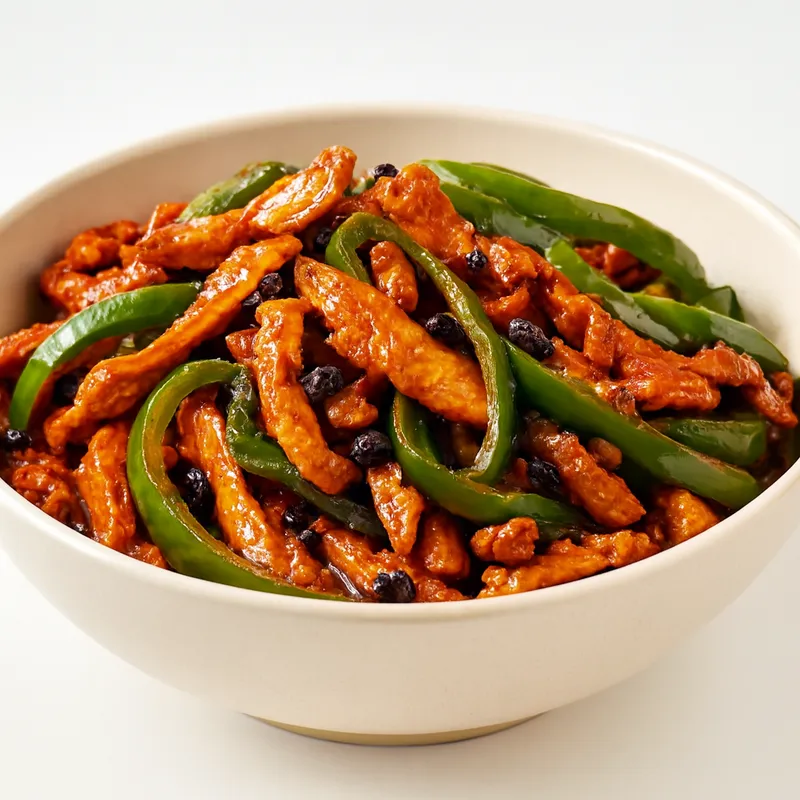
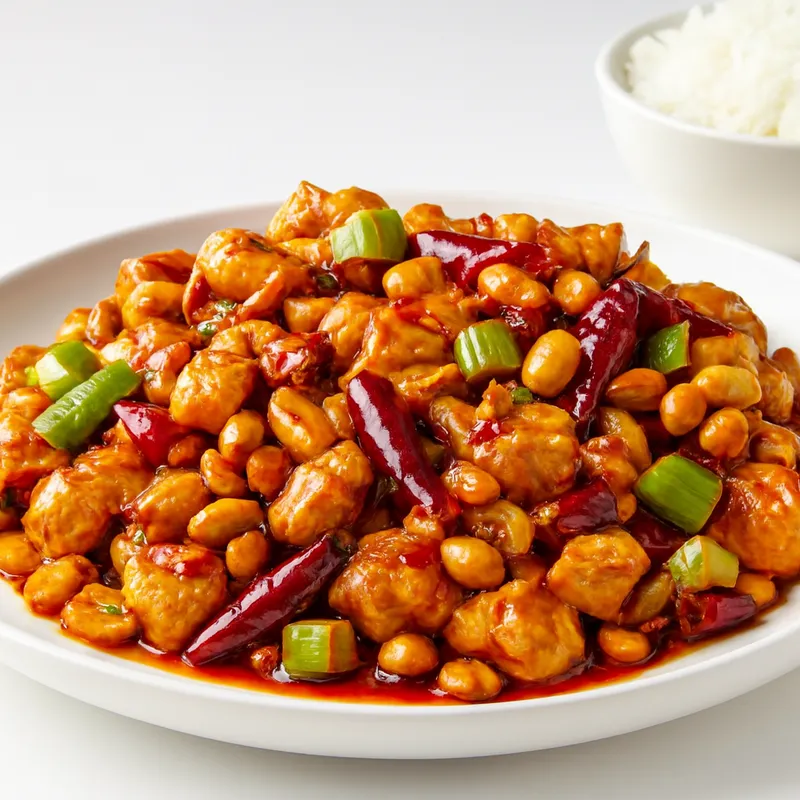
Diced chicken cubes — about 1.5 cm, no bigger — glazed dark mahogany, with whole dried chilies and skin-on peanuts in the same size. Vinegar bite hits first, then sugar, then the slow numbing climb of Sichuan peppercorn. The sauce should glaze, not pool; if there's a puddle on the plate, the wok wasn't hot enough. Eat with rice, not noodles.
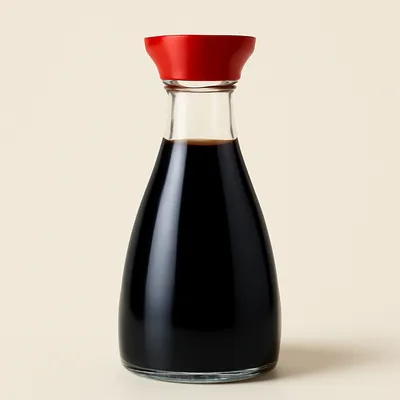
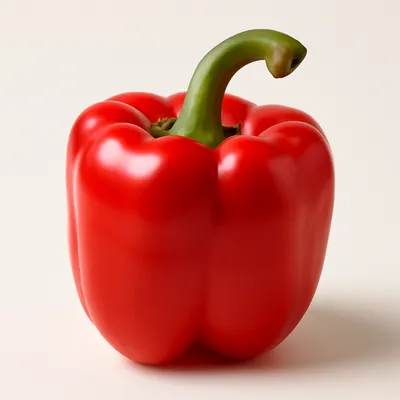
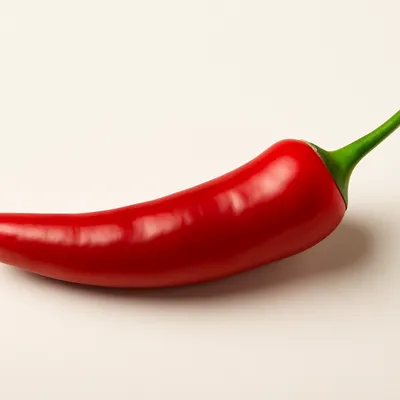
The sauce is a single emulsion the cook mixes in a bowl before the wok touches heat: black vinegar, sugar, soy, a little stock, cornstarch — poured in at the last moment so it glazes in 10 seconds. The chilies are toasted, not eaten; their job is to perfume the oil. The peanuts go in last so they stay crisp. American "kung pao" with bell pepper, zucchini, and sweet brown gloop is a different dish entirely.
Variations
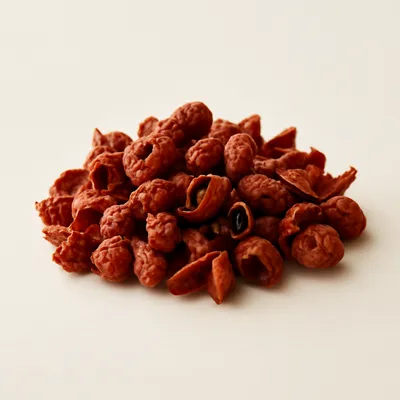
Authentic gong bao is defined by its 'scorched-chili litchi' flavor (糊辣荔枝味) built from dried chilies and Sichuan peppercorn with a restrained sweet-sour sauce of sugar, vinegar, soy and starch — classic versions use little or no doubanjiang; the Pixian-doubanjiang-and-bean-paste profile belongs more to spin-offs like Zhang Daqian's 'Daqian chicken' than to the canonical dish; American Chinese-takeout 'Kung Pao' often loses the peppercorn and adds bell pepper; Gong bao shrimp is a coastal variant.
On the Palate
Where Kung Pao Chicken sits in the Chinese flavor cloud
Mix the whole sauce — black vinegar, sugar, soy, stock, cornstarch — in a bowl before you light the wok, because at the end it goes in all at once and has to glaze the chicken in ten seconds, not simmer.
Ingredients
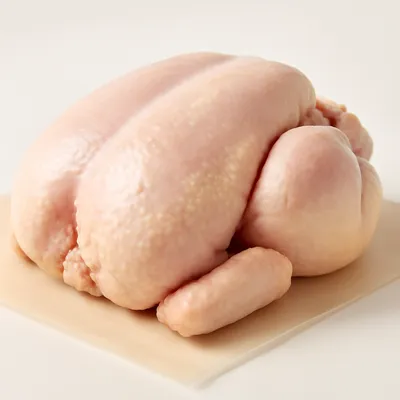
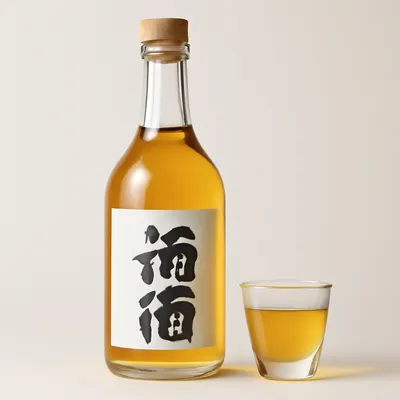
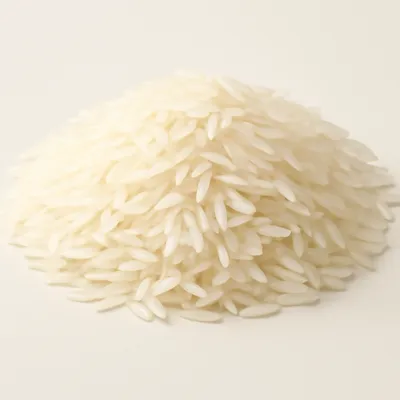


How it's made
5 steps · 13 min
- 12 min
In a hot wok, toast the Sichuan pepper until fragrant, then remove and set aside. Add a splash of oil to the wok and let it heat until shimmering.
Watch outToast the Sichuan pepper on gentle heat just until it smells piney and numbing — the second it smokes it turns bitter, so pull it out early.
- 25 min
Add the cubed chicken to the wok, searing until golden brown on all sides. The chicken should sizzle as it hits the hot oil.
Watch outThe cubes should hiss loudly and stay put a moment — that sizzle means they're searing, not stewing.
- 31 min
Introduce garlic, ginger, and chili peppers to the wok, stirring until the garlic is golden and aromatic, about 1 minute.
Watch outWatch closely to prevent the garlic from burning.
- 43 min
Return the Sichuan pepper to the wok and add soy sauce and sugar, stirring until the sauce thickens slightly and coats the chicken.
Watch outPour the pre-mixed sauce down the side of the wok; it should bubble up and turn glossy in seconds, thickening just enough to cling.
- 52 min
Finish by adding the peanuts, tossing everything together to combine. The peanuts should be warm and slightly toasted.
Watch outFold the peanuts through off the heat — warm and toasty, still audibly crisp, never soaked.