
A Sichuan home-style dish named for the way it looks: specks of browned minced pork cling to glassy mung-bean noodles like ants crawling up the twigs of a tree. The noodles are soaked, never boiled, then made to drink up a fragrant red oil of Pixian chili-bean paste until they are glossy, springy and savoury — dry-flavoured, not soupy. Cheap, fast, and deeply satisfying over rice.





The name describes the dish: the threads of glass noodle are the bare twigs and the flecks of minced meat the ants. Its actual beginnings are unrecorded, and cooks who study the Sichuan table generally place it as a much later folk creation. A fond legend ties it to the dutiful Dou E of Guan Hanqing's Yuan-dynasty opera, said to have minced a scrap of meat over noodles that her dim-sighted mother-in-law took for ants; the attribution does not hold, since the Pixian chili-bean paste that defines the dish could not have existed in the Yuan — chilies only reached China in the Ming, centuries later.
Translucent noodles stained red-brown by the chili oil, slippery and springy with a gentle chew. The pork has been fried to a crisp-savoury crumb, the 'ants' caught on every strand. The flavour is salty and fragrant with the fermented depth of broad-bean paste, a warm chili heat behind it and, if Sichuan peppercorn went in, a soft numbing buzz. Above all it is dry-fragrant — the noodles have drunk the sauce rather than swimming in it — finished bright with raw scallion.
Glass noodles are nearly pure starch, so they are soaked, not boiled: in a pot they over-gelatinise into a mushy clump, but a soak in warm water only half-hydrates them — pliable yet still firm, the test being a strand a fingernail can just pinch through — leaving room to finish by absorbing the seasoned liquid in the pan. That is the engine of the dish, because the noodles have almost no flavour of their own; they are a sponge, which is why the sauce must be seasoned heavier than usual. The pork is dry-fried first to render its fat and brown it through the Maillard reaction, building the crisp-savoury aroma and a slick of pork fat to carry everything. Pixian chili-bean paste is then fried slowly over low heat to bloom its red oil — the fat-soluble red pigment and the fermented broad-bean umami both release into the oil, and low heat keeps it from scorching bitter. Finally a modest splash of stock is cooked off entirely into the noodles in the braise-and-reduce step, so they end glossy and fully seasoned rather than wet.
Variations
Pork is the home standard, though some recipes call for beef and chicken mince works too. A well-loved meatless version swaps the pork for finely diced rehydrated shiitake, dry-fried until browned so the mushroom stands in for the ants. The heat is to taste: a full mala rendering adds Sichuan peppercorn and dried chili, gentler home cooks leave the peppercorn out for a plain savoury-spicy plate, and milder versions outside Sichuan lean on soy sauce with far less chili-bean paste. Some keep it bone-dry; others leave a little sauce clinging. Diced carrot, green peas or sweet pepper often go in for colour.
On the Palate
Where Ants Climbing a Tree sits in the Chinese flavor cloud
Ingredients
Serves 3

How it's made
8 steps · 15 min active + 10 min waiting
- 112 min
Soak 100 g mung-bean glass noodles in warm water until pliable but still firm — soft enough that a fingernail can just pinch through a strand, about 10 to 15 minutes. Drain very well and cut into shorter lengths.
Watch outSoak the glass noodles only until a fingernail just pinches through a strand — boil them and they gum into mush, leaving no room to drink up the sauce.
- 23 min
Mince the aromatics: ginger, garlic and the white of a scallion; reserve the green tops, chopped, for the finish.
- 33 min
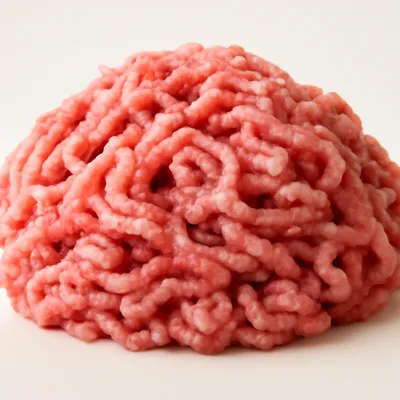
Heat a little oil in a wok over medium-high and dry-fry 100 g fatty ground pork, breaking it up, until dispersed, browned and crisp-fragrant.
- 42 min
Lower the heat, push the pork aside and fry 1 tablespoon Pixian chili-bean paste in the fat until the oil runs red, then add the ginger, garlic and scallion whites.
Watch outFry the chili-bean paste in the fat until the oil runs red before adding aromatics — that red oil is the flavor engine of the whole dish.
- 51 min
Splash in cooking wine and soy sauce, then pour in a small bowl of stock — just enough to reach the level of the meat.
- 64 min
Add the drained noodles and toss to coat, then simmer gently, tossing, until the noodles have drunk up the liquid and turned glossy and red, about 3 to 4 minutes.
Watch outToss and simmer until the noodles drink up the liquid and turn glossy and red — the noodles are a sponge, so cook them dry into the sauce.
- 71 min
Taste and adjust; if you want it numbing, drizzle in a little Sichuan-peppercorn oil now.
- 81 min
Kill the heat, scatter over the reserved scallion greens, and serve hot over rice.


