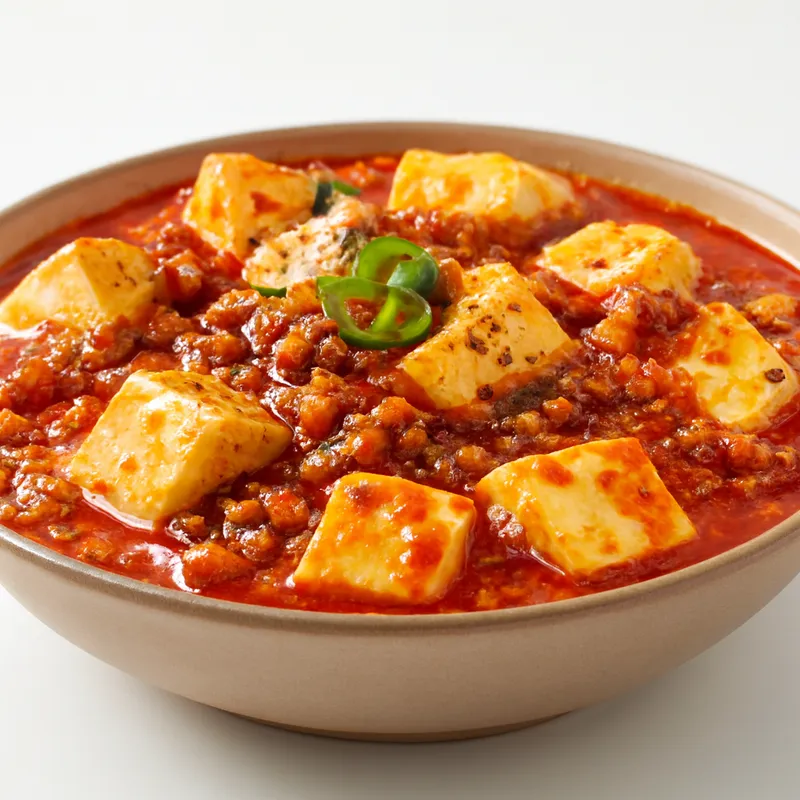
Pork slices poached at the table in a brick-red chili-oil broth — Sichuan's emblematic 'water-boiled' technique.

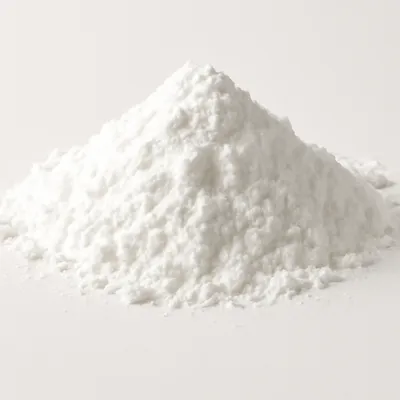
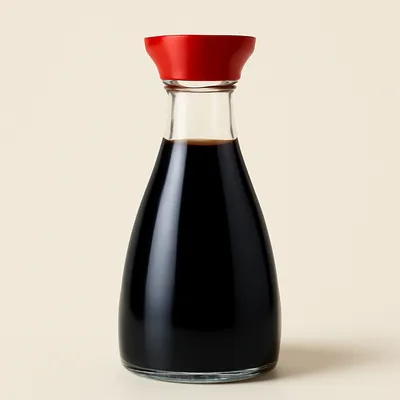
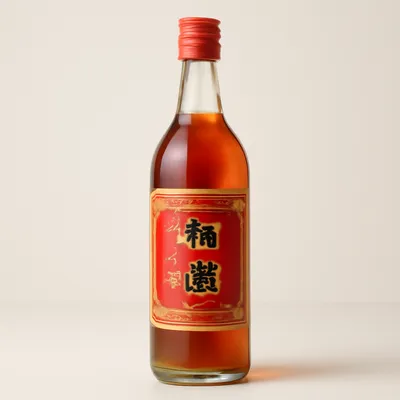
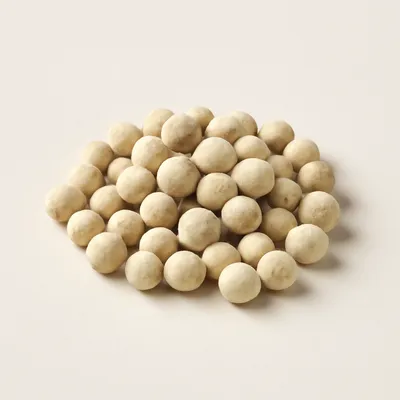
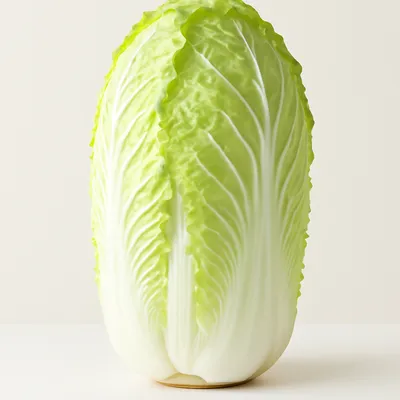
The 'water-boiled' dish originated with salt-mine workers in Zigong, Sichuan, who slice-boiled the meat of worn-out draft cattle with the salt and chiles they had on hand; cook Fan Ji'an refined it into 'water-boiled beef' (水煮牛肉) around 1930. The pork version (水煮肉片) is a later home/restaurant adaptation, since pork is easier to coat and keep tender. The shuǐzhǔ (water-boiled) technique — flash-poaching slices in seasoned broth at high heat — became Sichuan's signature method, applied later to beef, fish, and even cabbage.
1930s Zigong, Sichuan, by salt-mine workers who needed to cook tough pork in one pot with the chiles they had. The cornstarch coat is the load-bearing trick — it gels around each slice in seconds and locks moisture in. The 200°C oil pour at the end blooms hydroxy-alpha-sanshool the dried forms can't release at lower heat.
A deep bowl of pork slices barely holding together in their starchy coat, floating in a brick-red oil slick studded with whole dried chiles and Sichuan peppercorns. Pork is silky, just-cooked through. The broth is intensely má-là — numbing peppercorn first, chili heat second. Eat over rice; the rice does half the work.
The cornstarch coat is load-bearing: it forms a thin gel around each slice within seconds of hitting the broth, locking in moisture and giving the silky texture. Without it, pork slices toughen on contact with hot liquid. The final hot-oil pour over the chiles isn't drama — at 200°C it blooms the capsaicin and Sichuan peppercorn's hydroxy-alpha-sanshool oil that the dried forms can't release at lower heat.
Variations
Zigong original is pork-only with bean sprouts under; modern Sichuan restaurants apply the 水煮 method to beef (水煮牛肉), fish fillets (水煮鱼), and even cabbage (水煮白菜); Chengdu home cooks add celery for the bottom layer.
On the Palate
Where Boiled Sliced Pork in Spicy Sauce sits in the Chinese flavor cloud
Ingredients
Serves 3
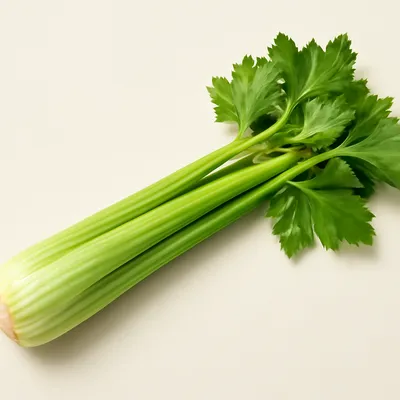





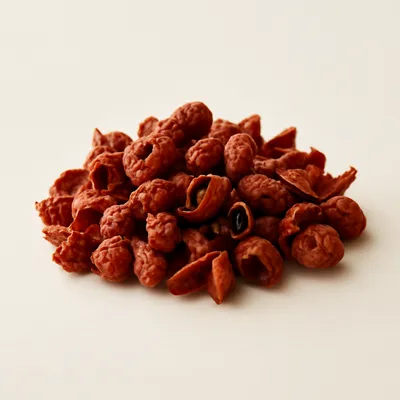
How it's made
5 steps · 20 min active + 5 min waiting
- 110 min
Slice pork tenderloin against the grain into 3mm pieces. Marinate with cornstarch, light soy, Shaoxing wine, and white pepper for 10 minutes.
Watch outCoat every slice in cornstarch until it feels slick, not powdery — that thin gel seals in the juices the second the pork hits the broth.
- 22 min
Blanch napa cabbage, bean sprouts, and celery in salted boiling water for 30 seconds. Drain into a deep serving bowl.
Watch outEnsure the water is at a rolling boil to prevent the vegetables from becoming mushy.
- 32 min
Heat oil in a wok. Fry doubanjiang (Pixian broad-bean paste) until the oil reddens, about 90 seconds. Add minced garlic, ginger, and scallion white.
Watch outFry the doubanjiang low and patient until the oil runs deep red and smells fragrant — rush it on high heat and the paste scorches bitter.
- 42 min
Add chicken stock and bring to a simmer. Slip pork slices in one by one — they cook through in 60 seconds. Pour over the bowl of vegetables.
Watch outSlip the slices in one by one and pull them at 60 seconds, the instant they curl and turn opaque — crowded or overcooked, they toughen.
- 51 min
Top with whole dried chiles and Sichuan peppercorns. Heat 80ml peanut oil to 200°C and pour over the chiles — should sizzle audibly. Serve immediately with steamed rice.
Watch outHeat the oil until it just wisps smoke, then pour — it must sizzle loud over the chiles and peppercorns to bloom their aroma; too cool and it smells raw.