A household anchor of the Chinese table — ribs braised in hand-made caramel, soy, and Shaoxing wine until the meat pulls from the bone and the sauce shines like lacquer.


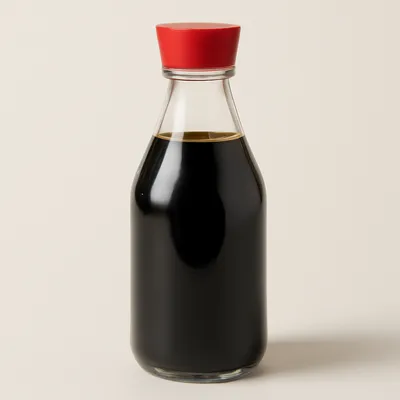
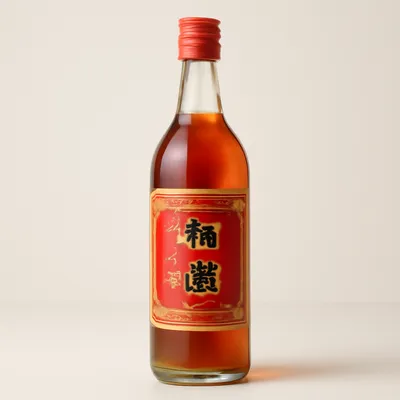
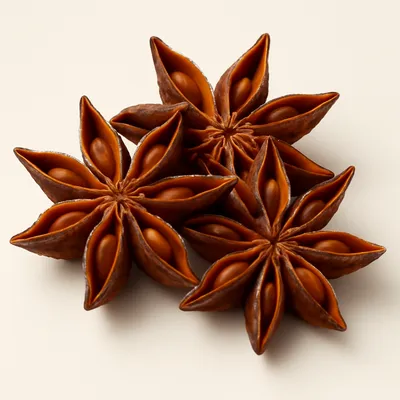
The red-braise (红烧) technique — combining soy sauce, sugar, and rice wine into a rich, lacquered sauce — is rooted in the Jiangnan (江浙) culinary tradition of 浓油赤酱 (rich oil, red sauce), with textual antecedents in Song-dynasty recipe texts. The specific application to pork ribs (排骨) developed as a populist counterpart to the more prestigious 红烧肉 (red-braised pork belly): ribs offered more bone surface area for the caramelized glaze, richer marrow flavor, and lower cost. By the Qing dynasty, the spread of nationwide soy sauce production and affordable cane sugar brought the technique into virtually every Chinese household kitchen, cementing it as one of China's most beloved family dishes, particularly at New Year.
Each piece is coated in a dark, sticky lacquer that clings to the fingers and lips; the meat at the end of the bone is almost falling off, tender from a long braise, with a bittersweet caramel-soy depth and the gentle warmth of star anise.
The dish depends on two parallel chemical processes: (1) Caramelization (焦糖化): when rock sugar is heated with oil to 170–180°C, sucrose decomposes into glucose and fructose, which rapidly dehydrate to form amber-colored caramel polymers — imparting irreplaceable bittersweet depth and the signature red-brown color. (2) Maillard reactions between the rib's amino acids (especially glutamic acid, contributing umami) and the reducing sugars from the caramel generate pyrazines and furanones, creating the roasted, savory complexity. During the 40-minute braise, collagen in the rib cartilage and bones hydrolyzes to gelatin; on reduction over high heat, this gelatin concentrates into a sticky, lacquer-glossy sauce that clings perfectly to each rib.
Variations
Southern versions emphasize sweetness (more sugar, richer soy); northern versions add more whole spices (star anise, cassia) and use less sugar. Zhejiang-style sweet-and-sour ribs (糖醋排骨) replace dark soy with rice vinegar for a bright, tangy glaze. A pressure cooker shortens the braise to 15–20 minutes while maintaining tenderness.
On the Palate
Where Red-Braised Pork Ribs sits in the Chinese flavor cloud
Ingredients
Serves 4

How it's made
8 steps · 1 hour 40 min
- 130 min
Cut pork spare ribs into 5cm segments if needed. Soak in cold water for 30 minutes, changing the water once, to draw out excess blood.
- 25 min
Place ribs in a cold-water pot with 2 ginger slices and a splash of Shaoxing wine; bring to a boil and blanch for 3 minutes. Drain; rinse ribs under warm running water until completely clean.
- 35 min
Dry-heat a wok over medium heat; add rock sugar and 1 teaspoon of neutral oil. Stir steadily as sugar melts, watching it progress from white to gold to deep amber caramel at 170–180°C; pull off heat momentarily if it darkens too fast.
Watch outWatch the sugar go white to gold to deep amber at 170–180 degrees — pull it off heat if it darkens fast, past amber it turns bitter.
- 42 min
Add the blanched ribs immediately while caramel is still liquid; toss continuously for 1 minute until each piece is coated in the amber glaze.
Watch outToss the ribs in the caramel while it's still liquid — let it set first and it seizes into hard shards that won't coat the meat.
- 53 min
Add Shaoxing wine and let it sizzle; add light soy sauce, dark soy sauce, star anise, and cinnamon. Add enough boiling water to just barely cover the ribs.
- 640 min
Bring to a full boil; skim any foam; reduce to the lowest simmer, cover, and braise for 40 minutes, turning the ribs once halfway through.
- 78 min
Uncover; increase to high heat. Stir frequently as the sauce reduces rapidly, until it thickens into a sticky glaze that coats each rib with a lacquer-like sheen.
Watch outReduce over high heat, stirring, until the sauce clings like lacquer — stop too soon and it's watery, too late and it burns.
- 83 min
Taste and adjust seasoning; plate and scatter with thinly sliced scallion.
Archive tool suggestions — not reviewed
These legacy suggestions have not been evidence-reviewed and are not presented as required tools.



